Fire protection systems rely on dependable water storage infrastructure to ensure rapid emergency response. Storage tanks used for firefighting purposes must maintain structural integrity, prevent leaks, and comply with safety regulations. This is why fire water containment lining compliance plays a critical role in industrial safety and infrastructure management.
Proper lining systems help maintain containment reliability, protect stored water quality, and support regulatory compliance.
Why Compliance Matters in Fire Storage
Fire protection water tanks must be ready for immediate use. Any structural weakness, leak, or contamination risk can compromise emergency response capabilities.
Maintaining fire water containment lining compliance helps ensure:
- Reliable emergency water availability
- Environmental protection from leaks
- Structural durability of storage systems
- Adherence to industry safety regulations
Facilities that prioritize compliance reduce operational risks and improve safety outcomes.
Key Elements of Lining Compliance
Although standards vary by region and industry, several core requirements typically apply to fire water containment lining systems.
Leak Prevention and Waterproofing
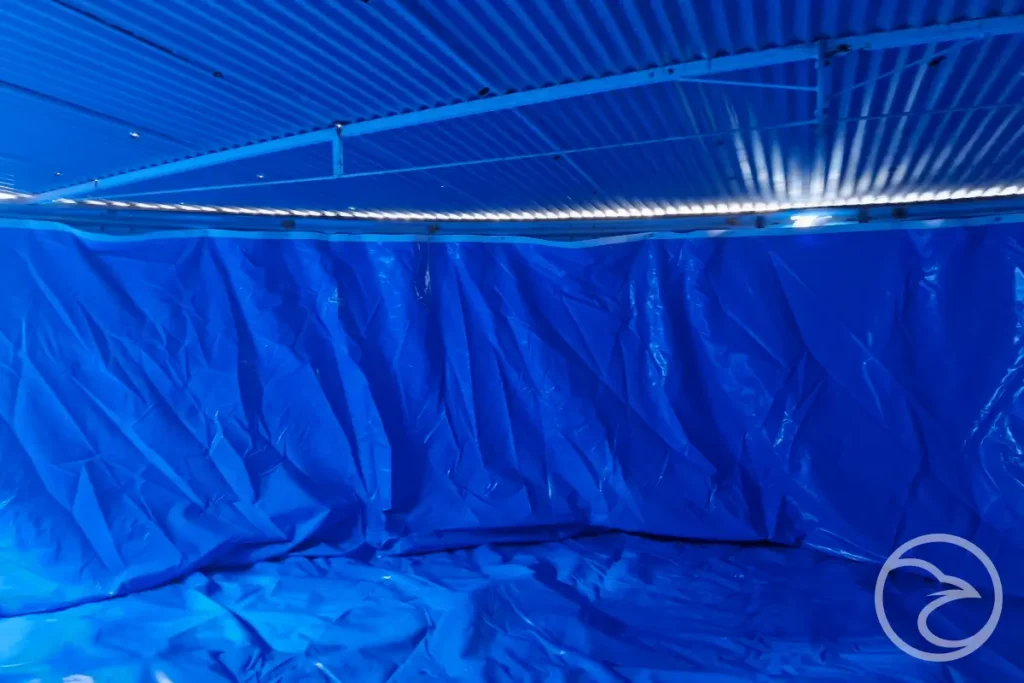
Containment lining must provide a reliable barrier against water loss. Waterproof liners protect both stored water and surrounding infrastructure.
Effective waterproofing reduces environmental risks and supports long-term tank performance.
Material Durability
Lining materials must resist corrosion, chemical exposure, and environmental stress. Durable materials help maintain containment integrity over extended service periods.
Material selection directly influences long-term fire water containment lining compliance.
Structural Compatibility
Lining systems must integrate properly with tank structures, fittings, and safety equipment. Proper compatibility ensures consistent system performance.
Professional installation is essential to achieve full compliance.
Inspection and Maintenance Requirements
Routine inspections help maintain lining performance and regulatory compliance.
Common inspection practices include:
- Visual liner condition assessments
- Leak detection monitoring
- Seal and joint inspections
- Documentation for compliance records
Preventive maintenance helps avoid unexpected failures.
Regulatory Considerations
Fire protection water storage often falls under strict safety and environmental regulations. These may include:
- Fire safety standards
- Environmental containment regulations
- Industrial infrastructure compliance requirements
Facilities must stay informed about applicable standards to maintain fire water containment lining compliance.
Benefits of Proper Compliance
Maintaining compliant lining systems provides multiple operational advantages.
Key benefits include:
- Improved fire protection readiness
- Reduced environmental risk
- Extended tank lifespan
- Lower long-term maintenance costs
- Enhanced operational reliability
Compliance supports both safety and financial performance.
Sustainability and Risk Management
Reliable containment lining reduces water loss, prevents contamination, and supports responsible infrastructure management. This contributes to environmental sustainability and improved corporate safety practices.
Organizations increasingly integrate compliance strategies into long-term infrastructure planning.
Many facilities incorporate reliable fire water containment solutions to support long-term infrastructure safety.
Planning for Long-Term Compliance
Facilities should consider:
- Regular inspection schedules
- Professional installation practices
- Material quality selection
- Documentation of maintenance activities
Proactive planning ensures continued compliance and infrastructure reliability.
Conclusion
Effective fire protection depends on reliable water containment systems. Maintaining fire water containment lining compliance ensures safety, environmental protection, and operational readiness.
Through proper installation, regular inspections, and adherence to regulatory standards, facilities can maintain dependable fire water storage systems for years to come.