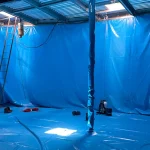
Fire water storage tanks are essential components of fire protection infrastructure across industrial, commercial, and municipal environments. They provide a reliable water reserve for sprinkler systems, hydrants, and emergency firefighting operations. Because these systems directly affect life safety and asset protection, regulatory standards play a crucial role in ensuring their long-term reliability.
In Australia, understanding the role of AS1851 in fire tank safety helps provide context for how routine servicing frameworks support performance awareness and long-term fire protection system reliability.
Why Fire Tank Safety Standards Matter
Fire protection systems are expected to perform instantly during emergencies. Unlike other infrastructure assets, they may remain inactive for long periods but must function reliably when required. This makes structured safety frameworks essential.
Standards help ensure:
- Consistent operational readiness
- Infrastructure durability
- Safety compliance across facilities
- Risk awareness for infrastructure managers
By establishing baseline expectations, regulatory frameworks help reduce uncertainty and improve long-term infrastructure resilience.
Overview of the AS1851 Standard
AS1851 focuses on the routine servicing of fire protection systems. It provides guidance on maintaining system functionality, monitoring equipment condition, and ensuring operational readiness over time.
Rather than prescribing a single maintenance method, the standard supports structured observation, documentation, and lifecycle awareness. This approach helps infrastructure managers maintain safety without unnecessary disruption.
Within broader fire protection management programs, AS1851 fire tank inspections may be referenced as part of ongoing system oversight rather than as isolated service events.
Supporting Infrastructure Reliability
Fire water tanks are exposed to environmental conditions that can influence long-term performance. Temperature fluctuations, environmental contaminants, and natural material ageing can all affect structural reliability.
Regulatory frameworks like AS1851 help maintain awareness of these influences. They encourage systematic observation, documentation, and infrastructure planning that supports continued operational reliability.
This structured approach reduces the likelihood of unexpected performance issues during critical situations.
Compliance and Risk Awareness
Safety standards also support compliance across industries. Industrial facilities, commercial buildings, and municipal infrastructure often operate under regulatory requirements that include fire protection readiness.
Understanding how standards like AS1851 contribute to fire tank safety helps stakeholders:
- Recognise infrastructure risks early
- Maintain consistent operational performance
- Support regulatory compliance
- Protect critical assets and occupants
Awareness of regulatory expectations improves coordination between facility managers, engineers, and safety professionals.
Additional information on fire water storage system evaluation approaches can help provide useful context when reviewing safety standards.
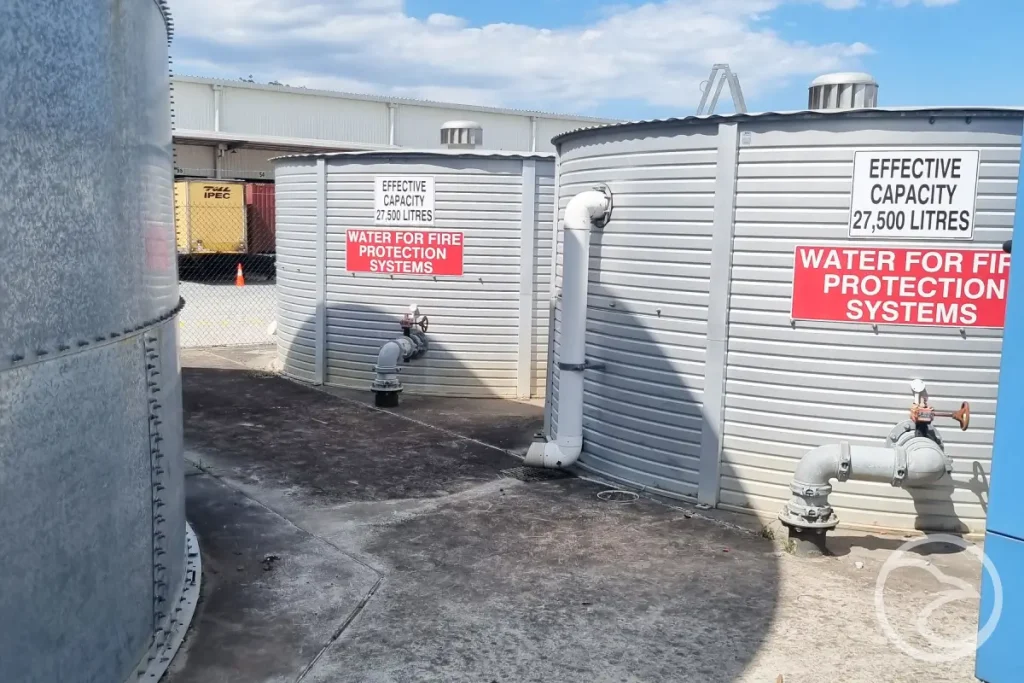
Lifecycle Perspective on Fire Water Storage
Fire storage infrastructure evolves over time. Environmental exposure, operational demands, and ageing materials all influence system performance. Viewing fire tank safety through a lifecycle lens allows organisations to anticipate changes rather than react only to visible issues.
Standards such as AS1851 encourage continuous awareness rather than one-time interventions. This helps maintain infrastructure stability while supporting safety objectives.
A lifecycle perspective also supports more sustainable infrastructure management practices.
Strengthening Fire Protection Reliability
Fire tank safety depends on more than structural design alone. Regulatory awareness, environmental conditions, operational practices, and ongoing observation all influence long-term performance.
Understanding the role of AS1851 in fire tank safety within this broader context helps infrastructure stakeholders maintain reliable fire protection systems. By combining regulatory knowledge with proactive infrastructure awareness, organisations can support safer environments and dependable emergency preparedness.