Stainless steel is widely used across industrial, commercial, and municipal sectors because of its strength, durability, and resistance to environmental factors. In water storage infrastructure especially, material selection plays a crucial role in long-term reliability, hygiene, and operational performance. Understanding stainless steel material properties helps explain why this material remains a trusted choice for demanding storage applications.
Corrosion Resistance and Longevity
One of the most recognized stainless steel material properties is its strong resistance to corrosion. This resistance comes from chromium content within the alloy, which forms a protective oxide layer on the surface. This layer helps shield the material from moisture, oxygen, and many chemicals.
For water storage systems, corrosion resistance contributes to longer service life and reduced structural degradation. Even in humid environments or locations exposed to varying weather conditions, stainless steel maintains stability more effectively than many alternative materials.
Strength and Structural Stability
Stainless steel offers excellent mechanical strength, making it suitable for applications where structural integrity is critical. Storage systems must withstand internal pressure, environmental forces, and repeated operational cycles.
The strength of stainless steel helps maintain consistent structural performance over time, reducing the likelihood of deformation or material fatigue. This stability supports reliable long-term infrastructure planning.
Hygienic Properties and Water Quality
Hygiene is another important advantage associated with stainless steel material properties. The smooth, non-porous surface of stainless steel helps limit bacterial growth, contamination risks, and sediment accumulation.
For potable water storage or process water applications, these hygienic characteristics support water quality preservation and easier cleaning procedures. This makes stainless steel particularly relevant in sectors where sanitation standards are essential.
Thermal and Environmental Performance
Temperature fluctuations can affect many construction materials. Stainless steel generally demonstrates strong thermal stability, meaning it tolerates both high and low temperature conditions without significant structural change.
This stability supports consistent performance in environments with seasonal variation or industrial temperature exposure.
Resistance to Chemical Exposure
Many industrial storage applications involve liquids that may interact with container materials. Stainless steel’s resistance to a wide range of chemicals makes it suitable for diverse storage scenarios.
While material compatibility should always be evaluated based on specific substances, stainless steel often provides reliable performance in chemically demanding environments.
Sustainability and Lifecycle Benefits
Another factor influencing material choice is sustainability. Stainless steel is fully recyclable, and its long service life reduces the need for frequent material replacement. This contributes to lower environmental impact over time.
Infrastructure planning increasingly considers lifecycle performance, making durable materials like stainless steel attractive for long-term storage systems.
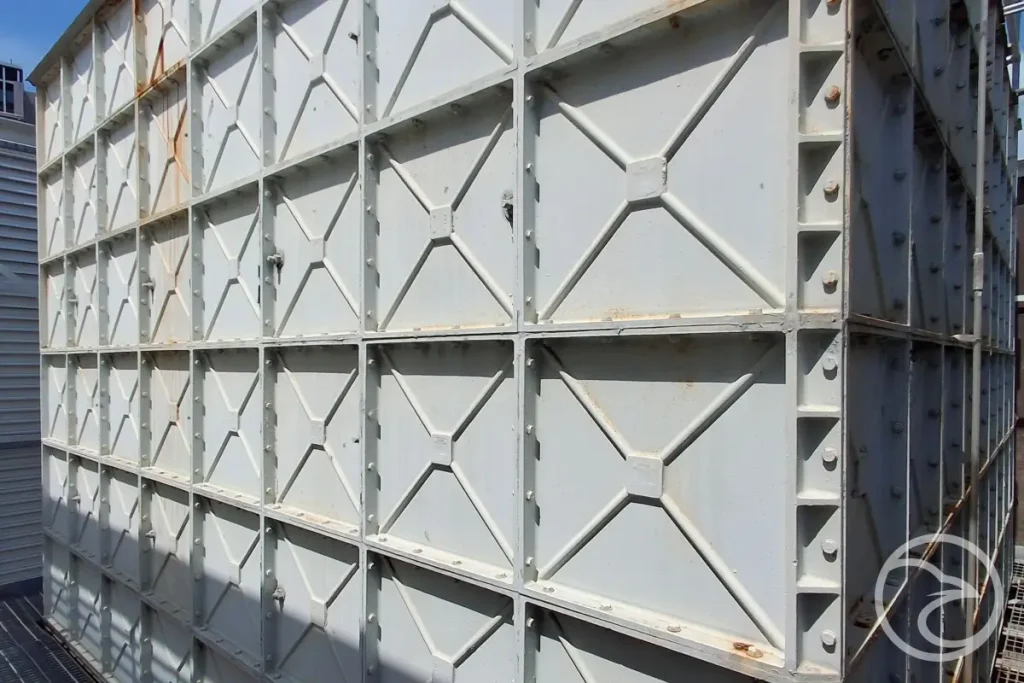
Some facilities rely on sectional water storage systems to improve scalability and adaptability.
Supporting Reliable Storage Infrastructure
Understanding stainless steel material properties helps organizations make informed decisions about storage infrastructure. Corrosion resistance, structural strength, hygienic characteristics, and environmental durability all contribute to dependable performance.
When appropriately selected and maintained, stainless steel supports safe, efficient, and long-lasting water storage systems that meet modern operational and environmental expectations.