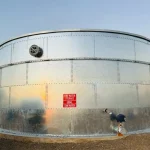
Panel-based tank systems are widely used in large-scale water storage applications due to their modular construction and structural adaptability. Unlike monolithic tanks, these systems are assembled from individual panels that work together as an integrated structure. Understanding how panel-based tank systems function helps explain their long-term performance, load distribution characteristics, and internal behaviour under continuous operation.
What Defines Panel-Based Tank Systems
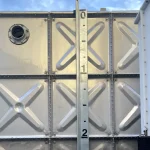
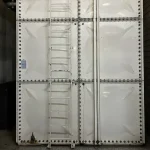
Panel-based tank systems consist of prefabricated panels connected through mechanical joints and sealing interfaces. Each panel contributes to the overall structural integrity while allowing flexibility in tank size and configuration. This modular approach enables tanks to be adapted to site-specific requirements without relying on a single rigid structure.
Rather than acting independently, panels function as part of a unified system. Their performance depends not only on individual panel strength but also on how effectively loads are transferred across connections and distributed throughout the tank structure.
Load Distribution Across Panel Assemblies
One of the defining characteristics of panel-based tank systems is how they manage internal loads. Stored water applies uniform pressure to internal surfaces, but the resulting structural forces are shared across multiple panels and joints. Proper load distribution reduces stress concentration and supports overall stability.
Panel connections play a key role in this process. Forces generated by water pressure are transferred from one panel to another through connection points, allowing the structure to respond collectively. Over time, this shared load behaviour influences how the tank adapts to long-term operating conditions.
Structural Movement and Flexibility
All large storage tanks experience some degree of structural movement due to temperature changes, water level variation, and environmental influence. Panel-based tank systems accommodate this movement through their segmented design. Instead of resisting movement entirely, the structure allows controlled adjustment at panel interfaces.
This flexibility helps reduce the likelihood of cracking or sudden structural failure. Minor expansion and contraction are absorbed across multiple joints, distributing movement rather than concentrating it in a single area. As a result, structural response remains gradual and predictable.
Connection Interfaces and System Integrity
Connection interfaces are critical components of panel-based tank systems. These interfaces are responsible for maintaining alignment, load transfer, and internal continuity. Over long service periods, connection behaviour has a significant influence on overall system performance.
Environmental exposure, internal pressure, and operational cycles all affect how connections perform over time. While panels themselves may remain structurally stable, interfaces represent points where cumulative stress effects become more apparent. Understanding this relationship is essential for interpreting long-term structural behaviour.
Evaluating how modular panels and connection interfaces work together under sustained internal loads is central to understanding system performance, particularly within broader discussions on sectional panel tank construction and structural behaviour.
Internal Conditions and Structural Response
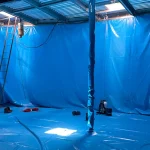
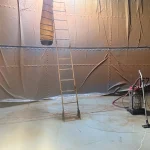
Internal tank conditions also influence panel-based system behaviour. Prolonged static water storage, limited circulation, and sediment accumulation can alter how loads are applied internally. Sediment settling at the tank base increases localised pressure, affecting how forces are distributed across lower panels.
Water chemistry and temperature stability further influence internal conditions. While these factors are often associated with material performance, they also affect structural response by altering surface interaction and load characteristics within the tank.
Environmental Factors Affecting Panel-Based Systems
External environmental conditions play a supporting role in shaping long-term system behaviour. Temperature fluctuations introduce expansion and contraction cycles that affect panel alignment. Ground movement or foundation settlement may introduce uneven loading, which panel-based systems must redistribute across their modular structure.
Because these influences act gradually, panel-based tank systems tend to adapt rather than fail abruptly. This gradual response allows structural changes to develop over extended periods rather than appearing as sudden defects.

Long-Term Behaviour and Ageing Patterns
Over time, panel-based tank systems exhibit characteristic ageing patterns. Rather than uniform material degradation, changes tend to appear at interfaces, edges, and high-load zones. These patterns reflect how modular structures respond to sustained pressure and environmental exposure.
Ageing in panel-based systems is typically incremental. Structural behaviour evolves as panels and connections adjust to operating conditions, highlighting the importance of understanding system-wide interaction rather than focusing on individual components in isolation.
Interpreting Performance in Panel-Based Tank Systems
Panel-based tank systems should be evaluated as integrated assemblies rather than collections of separate panels. Their long-term performance depends on how panels, connections, and internal conditions interact under continuous load.
By understanding the structural principles behind panel-based systems, engineers and facility managers gain clearer insight into long-term behaviour and performance expectations. This perspective supports informed assessment of modular tank structures and reinforces the importance of system-level analysis in large-scale water storage applications.