Hot dip galvanised tanks are widely used for water storage in industrial, agricultural, and commercial environments. Their durability and corrosion resistance make them a reliable choice for long-term applications. However, one of the most common questions is how long these tanks actually last and what factors influence their lifespan.
In this article, we’ll explore the typical lifespan of hot dip galvanised tanks, what affects their durability, and how proper maintenance can extend their service life.
Average Lifespan of Hot Dip Galvanised Tanks
In general, hot dip galvanised tanks can last between 20 and 40 years, depending on environmental conditions, water quality, and maintenance practices. In some cases, well-maintained tanks may last even longer.
The key factor behind this lifespan is the protective zinc coating applied during the galvanization process. This coating acts as a barrier against corrosion, which is one of the main causes of tank deterioration.
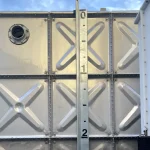
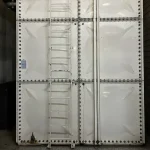
Hot dip galvanised tanks are widely used for water storage in industrial, agricultural, and commercial environments.
What Affects the Lifespan of Galvanised Tanks?
Several factors play a role in determining how long a tank will remain functional.
1. Environmental Conditions
The surrounding environment has a significant impact on tank durability:
- High humidity can accelerate corrosion
- Coastal or marine environments increase exposure to salt
- Temperature fluctuations can cause material stress
Tanks installed in harsh environments may experience faster wear compared to those in controlled conditions.
2. Water Quality
The type of water stored inside the tank also affects lifespan:
- Highly acidic or alkaline water can degrade the zinc coating
- Chemical contaminants may accelerate corrosion
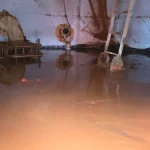
- Sediment buildup can cause internal abrasion
Maintaining good water quality helps protect the internal surfaces of the tank.
3. Quality of Galvanization
Not all galvanization processes are equal. The thickness and uniformity of the zinc coating directly influence durability:
- Thicker coatings provide longer protection
- Poor application may leave areas exposed
- Uneven coating can lead to localized corrosion
High-quality galvanization is essential for long-term performance.
4. Maintenance and Inspection
Regular maintenance plays a key role in extending tank lifespan:
- Routine inspections help detect early signs of wear
- Cleaning prevents sediment buildup
- Minor repairs reduce the risk of major damage
Without maintenance, even a well-built tank can deteriorate more quickly.

5. Usage and Load Conditions
How the tank is used also matters:
- Constant high pressure may stress structural components
- Frequent filling and emptying cycles can impact durability
- Overloading beyond design capacity may cause deformation
Overloading beyond design capacity may cause deformation
Signs of Aging in Hot Dip Galvanised Tanks
As tanks age, certain warning signs may indicate that the zinc coating is wearing off or the structure is weakening.
Common signs include:
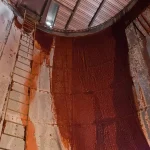
- Visible rust or corrosion spots
- Discoloration of internal surfaces
- Water leakage or damp areas
- Reduced structural strength
- Increased need for maintenance
Identifying these signs early can help prevent more serious issues.
Are Hot Dip Galvanised Tanks a Long-Term Solution?
Hdg tanks remain a practical and reliable option for many water storage applications. Their combination of strength, affordability, and corrosion resistance makes them suitable for a wide range of environments.
However, like any material, they require proper maintenance and monitoring to achieve their full lifespan. In some cases, additional protective systems may be used to further enhance durability.
Conclusion
So, how long do hot dip galvanised tanks last? Typically, they can perform effectively for 20 to 40 years, depending on environmental conditions, water quality, and maintenance practices.
Understanding these factors helps ensure better performance and longer service life. With proper care, these tanks can remain a dependable solution for long-term water storage across various industries.