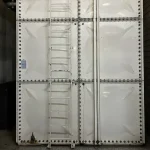
Fire water tanks are critical assets designed to remain on standby for long periods and perform instantly during emergencies. While external inspections often focus on structural stability and access components, the most significant changes usually occur internally. Understanding fire tank internal conditions is essential for maintaining long-term reliability and readiness.
Unlike tanks used for daily water supply, fire water storage systems operate under unique conditions that directly influence their internal environment.
Why Internal Conditions Matter in Fire Tanks
Fire tanks are typically filled, stored, and left inactive for extended periods. This operating pattern creates internal conditions that differ significantly from continuously cycled water systems.
Over time, internal surfaces are exposed to:
- stagnant water
- dissolved oxygen
- temperature fluctuations
- suspended particles
- microbial activity
These factors gradually affect internal tank conditions, even when no external damage is visible. Internal changes often develop quietly and remain undetected until performance issues arise.
The Impact of Long-Term Water Storage
One of the defining characteristics of fire tanks is prolonged water retention. Limited water movement reduces natural mixing, which can lead to uneven internal conditions throughout the tank.
Common internal effects of long-term storage include:
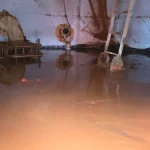
- sediment settling on the tank floor
- oxygen concentration differences between zones
- temperature stratification
- accumulation of fine particles
These conditions create internal zones that behave differently, placing uneven stress on internal surfaces and materials.
Sediment and Particle Accumulation
Sediment accumulation is one of the most common internal changes observed in fire water tanks. Even treated or filtered water contains small amounts of suspended solids that gradually settle during periods of inactivity.
Over time, sediment layers can:
- retain moisture against internal surfaces
- create localised chemical interactions
- reduce effective storage volume
- complicate internal inspections
Understanding how sediment affects fire tank internal conditions helps explain why internal environments may degrade faster than expected.
Internal Corrosion and Material Interaction
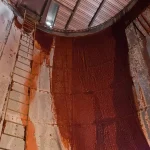
Fire tanks are constructed from a range of materials, each responding differently to prolonged internal exposure. Internal corrosion processes are influenced by water chemistry, oxygen availability, and surface conditions.
In static fire water storage systems:
- corrosion may occur unevenly
- affected areas are often hidden below sediment
- early-stage degradation may not be externally visible
Material interaction with stored water plays a significant role in shaping long-term internal conditions, regardless of tank type.
Temperature Variation and Stratification
Fire tanks are often installed outdoors or partially underground, exposing them to ambient temperature changes. Without regular water turnover, internal temperatures can stratify, creating warm and cool layers within the tank.
Temperature variation influences:
- dissolved oxygen levels
- microbial growth potential
- internal surface expansion and contraction
These subtle internal shifts contribute to gradual changes in fire tank internal conditions over time.

Monitoring and Managing Internal Conditions
While fire tanks may appear stable externally, internal environments require long-term consideration. Understanding internal conditions supports better inspection planning, maintenance strategies, and lifecycle management.
Awareness of fire tank internal conditions helps asset owners recognise that internal degradation is often gradual, cumulative, and largely invisible without targeted assessment.
Understanding internal conditions highlights the importance of internal water tank protection in maintaining long-term fire water storage reliability.
Key Takeaways
- Fire tank internal conditions change gradually during long-term water storage
- Sediment, stagnation, and temperature variation shape internal environments
- Internal degradation may occur without visible external signs
- Fire tanks behave differently from regularly cycled water storage systems
- Understanding internal conditions supports long-term fire readiness
By focusing on fire tank internal conditions, operators gain valuable insight into how internal environments evolve and why proactive management plays a critical role in maintaining reliable fire water storage systems.