Fire water tanks are critical components of fire protection systems. They must remain reliable and ready for use at all times. One important aspect of maintaining these tanks is ensuring the internal lining is in good condition.
This is where fire water tank lining inspection becomes essential. It helps assess the condition of the protective layer inside the tank and ensures long-term performance.
What is Fire Water Tank Lining Inspection
Fire water tank lining inspection is the process of evaluating the internal lining of a tank. The lining acts as a barrier between the stored water and the tank structure and is a key part of effective fire tank lining systems.
This inspection focuses on identifying signs of wear, damage, or deterioration. It ensures that the lining continues to protect the tank and maintain water quality.
Regular fire water tank lining inspection helps detect issues early before they become more serious.
Why Tank Linings are Important
Tank linings play a key role in protecting the structure. They prevent direct contact between water and the tank surface.
Without a proper lining, tanks may be exposed to corrosion, contamination, or structural damage. Over time, this can affect performance and reliability.
A well-maintained lining helps extend the lifespan of the tank and supports safe operation.
What is Checked During Lining Inspection
During fire tank lining inspection, several key areas are evaluated. The goal is to identify both visible and hidden issues.
Common inspection points include:
- Cracks or blistering in the lining
- Peeling or delamination
- Surface wear or thinning
- Signs of corrosion beneath the lining
- Discoloration or contamination
Each of these signs may indicate different types of damage. A detailed inspection helps determine the severity of the issue.
Inspection Methods Used
Different methods may be used during fire water tank lining inspection. The choice depends on tank type and condition. Visual inspection is often the first step. It helps identify obvious defects on the surface.
More advanced techniques may also be used, such as:
- Thickness testing
- Adhesion testing
- Non-destructive testing methods
These methods provide more detailed information about the lining condition.
Common Issues Found in Tank Linings
Several types of issues can develop in tank linings over time. These are often related to environmental conditions and usage.
Common problems include:
- Lining degradation due to age
- Damage from water chemistry imbalance
- Mechanical wear from cleaning or maintenance
- Poor application during installation
Understanding these issues helps improve inspection accuracy and maintenance planning.
How Often Inspections are Needed
The frequency of fire water tank lining inspection depends on several factors. These include tank usage, environmental conditions, and regulatory requirements.
In many cases, regular inspections are recommended to ensure reliability. High-risk environments may require more frequent checks.
Routine inspection helps maintain system readiness and prevent unexpected failures.
The Role of Inspections in Maintenance Planning
Fire water tank lining inspection is an important part of maintenance planning. It provides valuable information about the condition of the tank.
Fire tank inspections help identify structural and internal issues that may affect the performance of the tank over time.
Based on inspection results, maintenance actions can be scheduled.
When Repair or Refurbishment is Needed
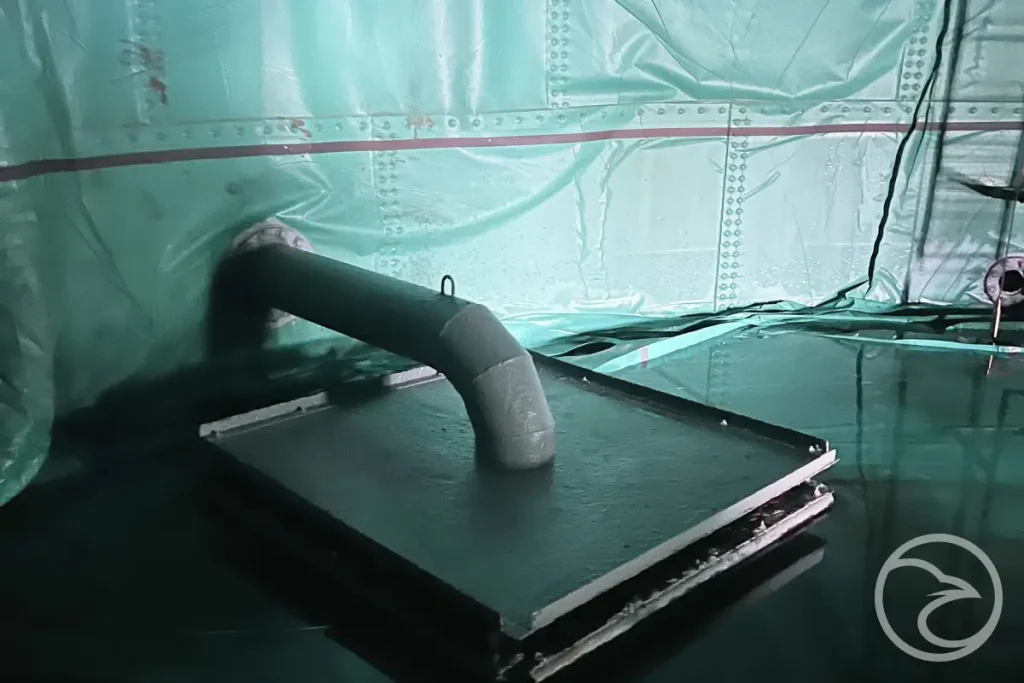
If inspection reveals significant damage, further action may be required. Minor defects can often be repaired. However, in some cases, more extensive work is needed. This may involve restoring or replacing the lining.
When multiple issues are present, tank refurbishment may be considered. This approach helps restore the tank to a functional condition.
Benefits of Regular Lining Inspection
Regular fire water tank lining inspection offers several benefits. It supports both safety and efficiency.
Key benefits include:
- Early detection of damage
- Improved water quality
- Extended tank lifespan
- Reduced risk of failure
These advantages make inspection an essential part of tank management.
Conclusion
Fire tank lining inspection plays a critical role in maintaining fire protection systems. It ensures that the internal lining continues to protect the tank and support reliable operation.
By understanding what is involved in this process, it becomes easier to identify potential issues and plan maintenance. Regular inspections help prevent damage and ensure long-term performance.