A structured maintenance plan is essential for keeping GRP water tanks in optimal condition. Regular inspections, cleaning, and timely repairs help extend lifespan and ensure safe water storage, especially when guided by a grp water tank maintenance checklist.
By following this checklist, facility managers can reduce risks, control costs, and maintain system reliability over time.
Why Regular Maintenance Matters
Even though GRP tanks are low maintenance, they are not maintenance-free. Over time, environmental factors and usage can affect their condition.
Routine inspections help:
- prevent contamination
- detect structural issues early
- extend the lifespan of the tank
- maintain compliance with safety standards
Neglecting maintenance often leads to costly repairs or premature replacement.
Monthly Visual Inspection
A simple visual check each month can prevent bigger issues later.
What to look for:
- cracks or surface damage
- discoloration on panels
- signs of leaks or damp areas
- unusual odors around the tank
Pay attention to external conditions, especially if the tank is exposed to sunlight or harsh weather.
Quarterly Internal Inspection
Internal inspections should be done every three months where access is safe and permitted.
Key inspection points:
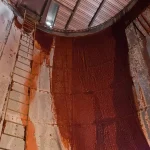
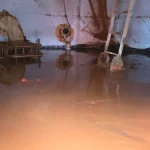
- sediment build-up at the base
- algae or biological growth
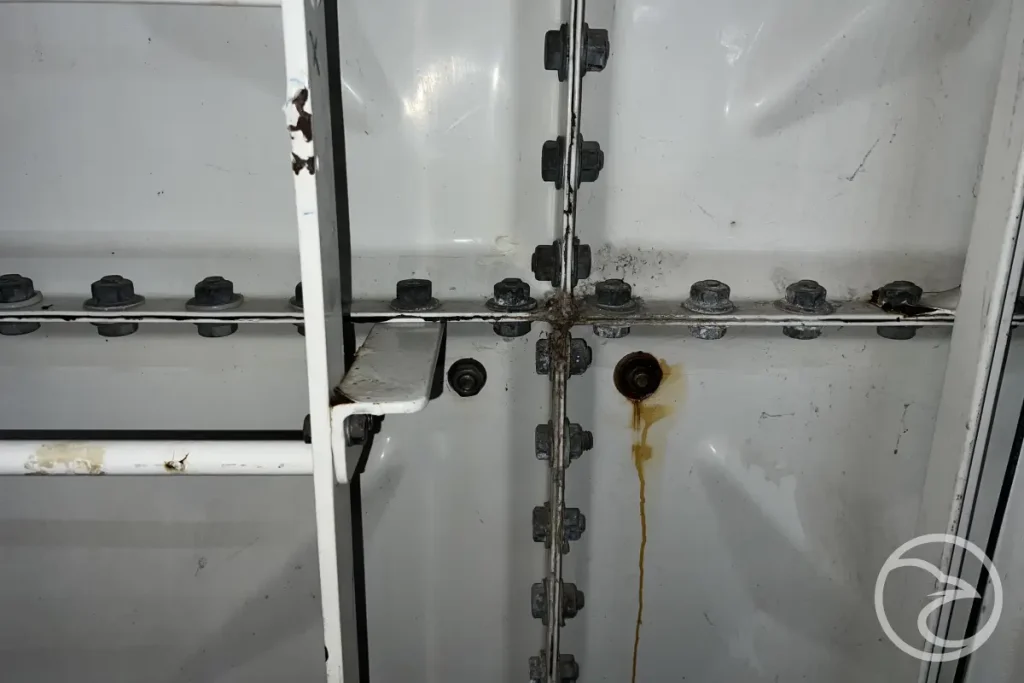
- condition of internal joints and seals
- water clarity and odor
If contamination is suspected, immediate cleaning is required.
Annual Structural Assessment
A more detailed inspection should be carried out once a year by trained professionals.
This includes:
- checking panel integrity
- assessing support structures
- inspecting ladders, covers, and access points
- reviewing compliance with local standards
This is also a good time to evaluate whether your current system still meets operational needs.
Cleaning Requirements
Cleaning frequency depends on usage and water source, but most GRP tanks should be cleaned at least once a year.
The cleaning process involves:
- draining the tank safely
- removing sediment and debris
- disinfecting internal surfaces
- refilling with clean water
Professional cleaning ensures proper hygiene and reduces health risks.
Common Maintenance Issues
Even with proper care, some issues can still occur.
The most common problems include:
- joint seal deterioration
- panel deformation due to pressure
- UV damage on exposed surfaces
- microbial contamination
Addressing these early prevents system failure.
When Repairs are Needed
Minor issues can often be repaired without replacing the entire tank.
Repair may be required if you notice:
- small cracks or leaks
- weakened joints
- damaged coatings
Specialist repair solutions can restore performance and extend service life.
When to Consider Replacement
There comes a point when repairs are no longer cost-effective.
You should consider upgrading if:
- the tank shows repeated structural issues
- maintenance costs keep increasing
- the system no longer meets capacity requirements
In such cases, modern grp water tanks provide improved durability, hygiene, and compliance with current standards.
Best Practices for Long-Term Performance
To get the most out of your tank, follow these simple practices:
- keep a maintenance log
- schedule inspections in advance
- use qualified professionals for servicing
- address issues immediately
Consistency is key to avoiding unexpected failures.
Final Thoughts
A structured maintenance plan is essential for keeping GRP water tanks in optimal condition. Following a clear grp water tank maintenance checklist ensures regular inspections, proper cleaning, and timely repairs, helping extend lifespan and maintain safe water storage.
By using this approach, facility managers can reduce risks, control costs, and maintain system reliability over time.