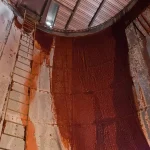
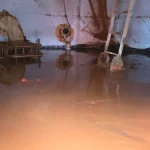
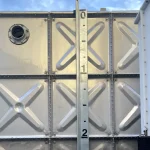
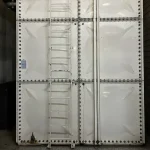
Steel water tanks are widely used across industrial, agricultural, and commercial sectors due to their strength and durability. However, one of the biggest challenges with steel structures is corrosion. Without proper protection, exposure to water, oxygen, and environmental conditions can significantly reduce the lifespan of a tank.
This is where galvanisation plays a critical role. Understanding how galvanisation protects steel tanks helps explain why this method remains one of the most reliable solutions for long-term water storage.
What is Galvanisation?
Galvanisation is a process where steel is coated with a layer of zinc to protect it from corrosion. The most effective method used in tank manufacturing is hot-dip galvanising.
In this process:
- Steel components are cleaned and prepared
- They are immersed in molten zinc
- A bonded zinc coating forms on the surface
This coating acts as a protective barrier, preventing moisture and oxygen from reaching the steel underneath.
Why Steel Tanks Corrode
Before understanding the protection, it’s important to know why corrosion happens.
Corrosion occurs when:
- Steel reacts with oxygen and moisture
- Chemical reactions create rust (iron oxide)
- The metal gradually weakens over time
Factors that accelerate corrosion include:
- High humidity
- Exposure to chemicals
- Temperature fluctuations
- Poor maintenance
Without protection, corrosion can lead to leaks, structural damage, and eventual tank failure.
The Protective Role of Zinc Coating
The zinc layer applied during galvanisation protects steel in multiple ways.
1. Barrier Protection
The zinc coating forms a physical barrier between the steel and the environment. This prevents direct contact with water and air, which are the main causes of corrosion.
2. Sacrificial Protection
Zinc is more reactive than steel. This means it will corrode first, protecting the steel underneath.
Even if the coating is scratched:
- Zinc continues to protect exposed areas
- Corrosion is slowed down significantly
3. Self-Healing Properties
One of the unique advantages of galvanisation is its ability to provide ongoing protection even when minor damage occurs. Zinc can help prevent rust from spreading around small exposed areas.
Benefits of Galvanisation for Water Tanks
Galvanised steel tanks offer several key advantages for water storage applications:
- Long-Term Corrosion Resistance: The zinc coating significantly slows down the corrosion process, extending the lifespan of the tank.
- Low Maintenance Requirements: Compared to unprotected steel, galvanised tanks require less frequent maintenance and repairs.
- Cost-Effective Solution: Although galvanisation adds to the initial cost, it reduces long-term expenses related to repairs and replacement.
- Durability in Harsh Conditions: Galvanised tanks perform well in outdoor environments, including areas with high humidity or variable weather conditions.
Factors that Affect Galvanised Coating Performance
While galvanisation provides strong protection, its effectiveness depends on several factors:
- Coating Thickness: Thicker zinc coatings generally provide longer-lasting protection.
- Environmental Exposure: Highly corrosive environments (such as coastal or chemical sites) may reduce the lifespan of the coating.
- Water Quality: Water chemistry can influence how quickly the zinc layer degrades over time.
- Maintenance Practices: Regular inspections help identify early signs of wear and ensure continued performance.
When Additional Protection may be Needed
In some cases, galvanisation alone may not be enough, especially in aggressive environments.
Additional protection methods include:
- Internal tank liners
- Protective coatings
- Cathodic protection systems
Combining these solutions can further extend the life of the tank.
Comparing Galvanisation to Other Protection Methods
While there are other corrosion protection methods, galvanisation remains one of the most widely used due to its reliability.
Compared to painted coatings:
- Galvanisation provides stronger adhesion
- It offers longer-lasting protection
- It requires less maintenance
Compared to stainless steel:
- Galvanised steel is more cost-effective
- It provides sufficient durability for many applications
Why Galvanised Tanks Remain a Popular Choice
For many industries, galvanised tanks strike the right balance between cost, durability, and performance. They are especially effective in applications where long-term water storage is required without frequent maintenance.
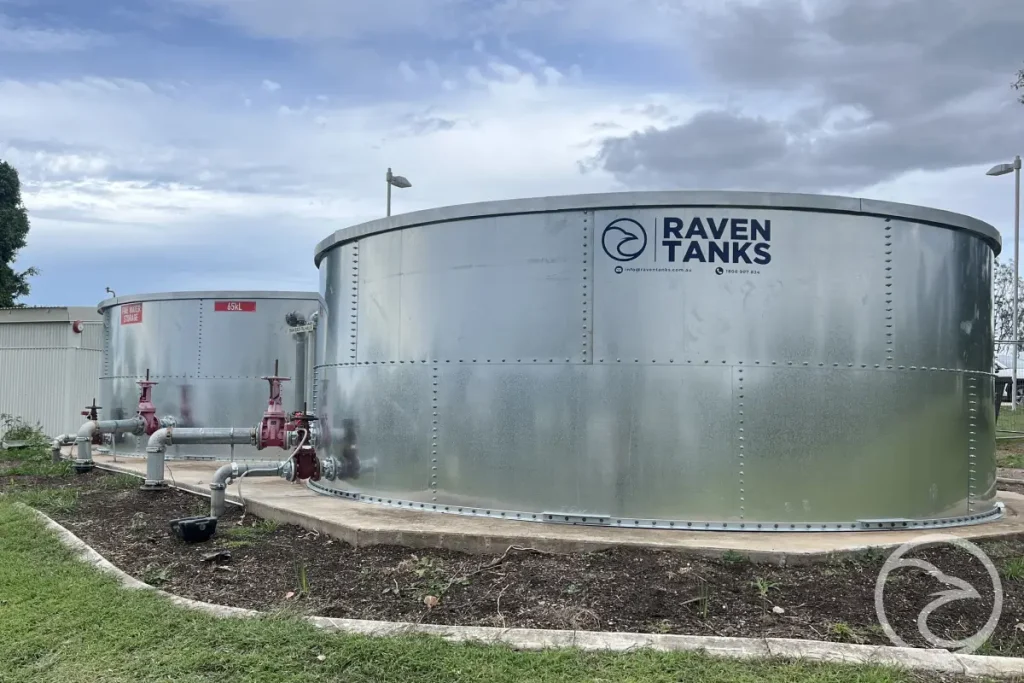
Solutions such as hot dip galvanised tanks are designed to provide reliable protection against corrosion while maintaining structural integrity over time.
Final Thoughts
Corrosion is one of the biggest threats to steel water tanks, but galvanisation offers a proven and effective solution. By applying a protective zinc coating, steel tanks can withstand harsh environmental conditions and maintain performance for many years.
Understanding how this process works allows you to make informed decisions when selecting materials for water storage. With proper design and maintenance, galvanised tanks remain one of the most durable and cost-effective options available today.