Industrial facilities rely on regular inspections to maintain structural integrity, ensure regulatory compliance, and prevent operational disruptions. Traditionally, inspections required scaffolding, rope access teams, or temporary shutdowns. Today, drone-based inspection for industrial assets offers a faster, safer, and more cost-effective alternative.
As drone technology continues to advance, it is becoming an essential tool in industrial asset management.
Why Traditional Inspection Methods Create Challenges
Conventional inspection approaches often involve significant logistical planning. High-rise structures, storage tanks, stacks, pipelines, and roofs require specialized access equipment.
Common challenges include:
- Worker safety risks at height
- Limited accessibility
- High labor costs
- Operational downtime
- Delayed inspection schedules
These factors increase both direct and indirect costs for facility owners.
How Drone-Based Inspection Works
Drone-based inspection for industrial assets uses unmanned aerial vehicles (UAVs) equipped with high-resolution cameras and advanced sensors. Operators control the drone remotely while capturing real-time visual and imaging data.
- Modern systems may include:
- High-definition video cameras
- Thermal imaging sensors
- Zoom lenses for close-up structural analysis
- GPS stabilization
- Data recording and mapping capabilities
This technology allows detailed inspection without physical contact or shutdown.
Improved Safety and Risk Reduction
One of the most significant advantages of drone inspections is enhanced safety. Inspectors no longer need to climb structures, deploy scaffolding, or use rope access systems for visual assessments.
Benefits include:
- Eliminating fall hazards
- Reducing confined space exposure
- Minimizing manual access risks
- Lowering liability concerns
Many facilities now incorporate Drone Inspections as part of their routine safety strategy.
Reduced Downtime and Faster Assessments
Industrial facilities often operate on tight production schedules. Shutting down equipment or restricting access can impact output and revenue.
Drone-based inspection for industrial assets allows:
- Inspection during normal operations
- Rapid deployment
- Faster data collection
- Minimal disruption to workflow
In many cases, inspections that previously required days can now be completed in hours.
Access to Hard-to-Reach Areas
Drones provide access to areas that are difficult or dangerous for personnel to reach, such as:
- Roof structures
- Tall chimneys and stacks
- Elevated pipelines
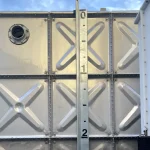
- Storage tank exteriors
- Structural beams and supports
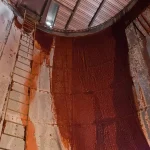
High-resolution zoom capabilities allow operators to assess cracks, corrosion, loose fittings, and surface damage from a safe distance.
Data Accuracy and Documentation
Advanced drone systems generate high-quality visual documentation. Recorded footage and still images create a digital inspection record that can be reviewed, shared, and archived.
This supports:
- Preventive maintenance planning
- Compliance reporting
- Insurance documentation
- Long-term asset tracking
Thermal imaging also enables detection of hidden issues such as heat loss, moisture intrusion, or electrical faults.
Cost Efficiency Over Time
Although drone technology requires specialized equipment and trained operators, it often reduces total inspection costs.
Savings come from:
- Eliminating scaffolding and access equipment
- Reducing labor hours
- Avoiding extended shutdowns
- Lowering insurance risk
Over multiple inspection cycles, the financial advantages become increasingly significant.
Supporting Preventive Maintenance Strategies
Drone-based inspection for industrial assets is not only reactive but also proactive. Regular aerial assessments help detect early signs of:
- Surface corrosion
- Structural fatigue
- Joint separation
- Coating deterioration
- Water ingress
Early detection allows facilities to schedule targeted maintenance rather than large-scale emergency repairs.
The Future of Industrial Inspections
As drone technology evolves, integration with artificial intelligence, 3D mapping, and automated defect recognition is expanding inspection capabilities even further.
Drone systems are becoming part of a broader digital asset management strategy, improving efficiency, safety, and long-term planning.
Additional information about aerial inspection solutions is available in our main services section.
Final Thoughts
Drone-based inspection for industrial assets provides measurable benefits in safety, efficiency, accessibility, and documentation accuracy. By reducing risk and minimizing operational disruption, drone technology offers a modern solution to complex inspection challenges.
For facilities seeking reliable and cost-effective assessment methods, drone inspections represent a practical advancement in industrial infrastructure management.