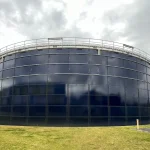
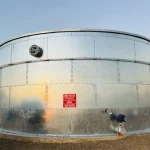
Industrial water tanks support essential operations across manufacturing facilities, processing plants, warehouses, and commercial sites. They store water for production, cooling, cleaning, and other operational requirements.
However, continuous use, environmental exposure, and ageing can gradually affect tank performance. Corrosion, leaks, damaged liners, and structural deterioration may lead to water loss and unexpected disruptions.
Regular industrial water tank maintenance helps identify developing problems before they require extensive repairs or tank replacement.
Understanding common risks and implementing preventive maintenance practices can improve reliability and extend the service life of industrial water storage systems.
Why Industrial Water Tank Maintenance Matters
Industrial facilities often depend on consistent water availability to maintain daily operations. A damaged storage tank can interrupt production processes, increase maintenance expenses, and create additional safety concerns.
Preventive maintenance helps facility managers:
-
Identify corrosion before significant structural deterioration occurs.
-
Detect leaks and minimise unnecessary water loss.
-
Monitor tank liners, seals, joints, and fittings.
-
Reduce unexpected equipment failures.
-
Plan repairs around operational schedules.
-
Extend the useful life of existing water storage infrastructure.
Maintenance requirements vary depending on tank construction, stored water characteristics, operating conditions, and manufacturer recommendations. A structured maintenance programme should consider these factors rather than applying identical procedures to every tank.
Common Problems Affecting Industrial Water Tanks
Industrial water storage systems face different challenges depending on their materials, location, and operating environment. Several problems require particular attention during routine inspections.
1. Corrosion in Steel Water Tanks
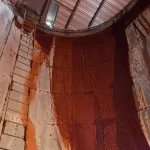
Steel tanks may develop corrosion when protective coatings deteriorate or exposed metal contacts moisture and oxygen. Corrosion can affect tank walls, roofs, floors, connections, and supporting components.
Common warning signs include:
-
Rust staining around joints and fittings.
-
Deteriorating protective coatings.
-
Pitting on exposed metal surfaces.
-
Corrosion around bolts and penetrations.
-
Localised thinning or surface deterioration.
Advanced corrosion may compromise structural integrity and increase the likelihood of leaks. Early identification allows maintenance teams to assess whether cleaning, coating repairs, or more extensive refurbishment is required.
2. Water Tank Leaks
Leaks can develop around damaged joints, corroded surfaces, fittings, penetrations, or compromised tank liners. Even small leaks may become expensive when they remain undetected.
Warning signs include unexplained water loss, damp areas around the tank, and visible deterioration near connections. Leak investigations should identify the underlying cause before repairs begin.
Sealing a visible leak without addressing corrosion or structural movement may only provide temporary relief.
3. Damaged Tank Liners
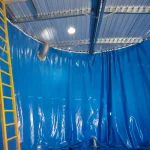
Tank liners create a protective barrier between stored water and the underlying tank structure. However, mechanical damage, ageing, unsuitable materials, or installation defects may affect their performance. Particular attention should be given to seams, corners, fittings, and other areas exposed to movement or stress.
For example, tank liner seam failure can compromise containment and contribute to water loss. Identifying liner defects early helps determine whether localised repairs or more extensive replacement is necessary.
4. Sediment and Internal Deposits
Sediment can accumulate inside industrial water tanks over time. The rate of accumulation depends on incoming water quality, operating conditions, and the tank’s intended application.
Deposits may interfere with outlets, affect water quality, or conceal deterioration on internal surfaces. Maintenance teams should assess sediment levels and determine whether cleaning is necessary.
5. Structural Movement and Component Wear
Industrial tanks experience operational loads, temperature changes, and environmental exposure. Over time, these conditions may affect joints, seals, supports, and other components.
Visible deformation, damaged fasteners, unusual movement, or deteriorating connections should receive further assessment. Structural concerns require appropriate technical evaluation before repairs are undertaken.
How to Prevent Corrosion in Industrial Water Tanks
Corrosion prevention is particularly important for steel industrial water tanks. Although corrosion cannot always be eliminated, appropriate maintenance can reduce its progression.
Inspect Protective Coatings
Protective coatings help separate steel surfaces from moisture and other corrosive conditions. Maintenance teams should inspect accessible surfaces for cracking, blistering, peeling, or exposed metal.
Damaged coatings may require surface preparation and repairs using compatible protective systems.
Monitor High-Risk Areas
Corrosion may develop around joints, fasteners, penetrations, and locations where moisture accumulates. These areas deserve additional attention during routine inspections.
The tank base and supporting structure should also be assessed where accessible.
Consider Water Chemistry
Stored water characteristics can influence corrosion rates. Factors such as pH, dissolved oxygen, chlorides, and other dissolved substances may affect material compatibility.
Where appropriate, water testing can support maintenance decisions and help identify potential corrosion risks.
Maintain Suitable Internal Protection
Depending on the tank design and application, internal coatings or liners may help protect structural surfaces. The selected system must be compatible with the stored water and operating conditions.
Existing protective systems should be inspected and maintained according to their specifications.
Identifying and Preventing Industrial Water Tank Leaks
Leak prevention requires more than checking for visible water escaping from a tank. Maintenance teams should investigate conditions that may eventually compromise containment.
Check Joints and Connections
Tank joints, flanges, valves, and pipe connections can develop leaks because of deterioration, movement, or damaged seals. Inspect these areas for moisture, staining, and visible damage.
Examine Tank Walls and Floors
Corrosion, cracking, and mechanical damage may affect the tank’s ability to retain water. Accessible surfaces should be examined for deterioration and unusual deformation.
Inspect Tank Liners
Lined tanks require additional attention around seams, corners, penetrations, and attachment points.
Monitor Unexplained Water Loss
Unexpected changes in water levels may indicate leakage, although evaporation, operational consumption, and instrumentation issues should also be considered.
Comparing water usage records with expected operating conditions can help identify unusual losses. Where leaks are suspected, a qualified professional should assess the tank before corrective work begins.
Industrial Water Tank Maintenance Checklist
A practical maintenance checklist helps facility managers organise inspections and document developing problems. The following checklist provides a general starting point. Actual procedures should reflect the tank’s design, contents, and operating requirements.
| Maintenance task | What to check |
|---|---|
| External tank inspection | Corrosion, cracking, deformation, coating deterioration |
| Joints and fittings | Leaks, damaged seals, loose or deteriorated components |
| Tank liner inspection | Seam defects, punctures, wrinkles, displacement |
| Roof and access points | Damage, water ingress, seals, secure covers |
| Supports and foundations | Settlement, movement, visible deterioration |
| Water level monitoring | Unexpected losses or unusual fluctuations |
| Sediment assessment | Internal deposits and potential cleaning requirements |
| Valves and outlets | Visible leaks, damage, operational condition |
| Maintenance records | Previous defects, repairs, inspection findings |
This checklist should not replace manufacturer instructions, site-specific procedures, or professional assessments. Internal inspections may require isolation, draining, and appropriate confined-space safety controls.
How Often Should Industrial Water Tanks be Inspected?
There is no single inspection frequency suitable for every industrial water tank.
Inspection intervals depend on several factors:
-
Tank material and construction.
-
Age and previous maintenance history.
-
Stored water quality and intended use.
-
Environmental and operational exposure.
-
Manufacturer recommendations.
-
Applicable standards and site requirements.
Facilities may use routine visual checks alongside more detailed periodic inspections. Older tanks or systems with known defects may require closer monitoring.
A risk-based maintenance programme helps determine appropriate inspection intervals without unnecessary disruption. Inspection findings should be recorded to identify deterioration trends and support future maintenance planning.
Preventive Maintenance for Different Industrial Tank Materials
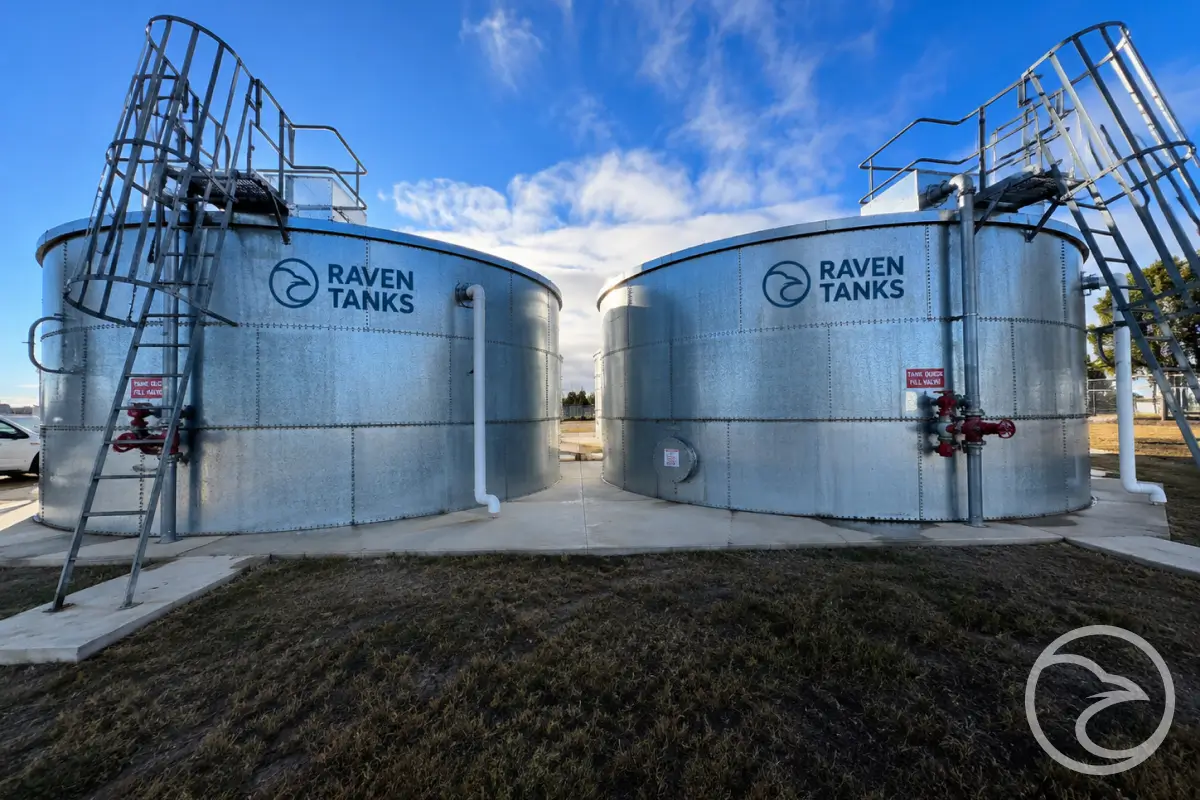
Industrial water tanks may be constructed from steel, concrete, GRP, or other suitable materials. Each material presents different maintenance considerations.
Steel Water Tanks
Steel tanks require particular attention to corrosion, coatings, joints, and structural connections. Maintenance should include accessible surface inspections and assessment of protective systems.
Concrete Water Tanks
Concrete tanks may develop cracking, joint deterioration, or water ingress problems. Inspections should examine visible cracks, construction joints, penetrations, and any internal protective lining.
Not every crack indicates structural failure, but significant changes require professional assessment.
GRP Water Tanks
Glass-reinforced plastic tanks resist many forms of corrosion but can still experience deterioration. Potential concerns include cracking, surface damage, joint problems, and damage around fittings.
Our GRP water tank maintenance checklist provides more detailed guidance for GRP tank inspections.
Lined Industrial Tanks
Lined tanks require maintenance of both the structural shell and the internal containment barrier. Inspecting the liner alone may overlook corrosion or deterioration affecting the underlying structure.
Likewise, a structurally sound tank may still experience leakage when its liner becomes damaged. Both components should be considered during maintenance planning.
When are Industrial Water Tank Repairs or Refurbishment Necessary?
Preventive maintenance can reduce deterioration, but some tanks eventually require repairs or refurbishment. The appropriate solution depends on the severity, location, and cause of the damage.
When Localised Repairs may be Suitable
Localised repairs may be appropriate when damage is limited and the surrounding structure remains serviceable. Examples include certain fitting leaks, isolated coating defects, or repairable liner damage.
Repairs should follow an assessment of the affected components and their compatibility with the proposed repair method.
When Tank Refurbishment may be Required
More extensive deterioration may justify refurbishment rather than repeated minor repairs. Refurbishment can involve cleaning, corrosion treatment, protective coating work, component replacement, or installation of a suitable liner.
Our guide to tank refurbishment explains considerations when restoring existing water storage systems.
When Replacement Should be Considered
Tank replacement may become necessary when structural deterioration is extensive or repairs are no longer practical. Other considerations include changes in operating requirements, compatibility issues, and long-term maintenance costs.
A professional condition assessment can help determine whether repair, refurbishment, or replacement offers the most suitable outcome.
How Preventive Maintenance Reduces Operational Downtime
Unexpected tank failures can disrupt industrial operations and create additional repair expenses. Preventive maintenance supports more predictable asset management.
Early Problem Detection
Identifying corrosion, leaks, and component deterioration allows facilities to address problems before they become more severe.
Planned Maintenance Scheduling
Routine inspections make it easier to schedule cleaning, repairs, and refurbishment around production requirements. This can reduce the likelihood of unplanned shutdowns.
Better Maintenance Budgeting
Documented inspection findings help facility managers anticipate future repair requirements. Planned maintenance may also reduce the need for emergency work.
Longer Tank Service Life
Maintaining protective systems, addressing defects, and monitoring structural condition can extend the service life of suitable tanks. However, maintenance cannot compensate for serious structural deficiencies or unsuitable tank design.
Professional Industrial Water Tank Maintenance
Some maintenance tasks can be completed through routine site inspections. However, detailed condition assessments, internal inspections, structural evaluations, and specialised repairs may require qualified professionals.
Professional assessments can help identify:
-
Corrosion affecting structural components.
-
Hidden or difficult-to-access leaks.
-
Deterioration beneath damaged protective systems.
-
Tank liner defects requiring specialised repairs.
-
Structural movement or other significant concerns.
For industrial facilities, the objective is to maintain reliable water storage while managing operational risks and maintenance costs. A coordinated approach to inspection, repair, and refurbishment supports long-term asset performance.
Conclusion
Effective industrial water tank maintenance helps facilities manage corrosion, prevent leaks, and reduce unexpected operational downtime. Routine inspections, appropriate protective systems, and timely repairs support reliable water storage and longer asset service life.
Maintenance programmes should reflect tank materials, operating conditions, and identified risks. For industrial facilities in Melbourne, professional tank assessments and planned refurbishment can help maintain dependable water storage infrastructure.