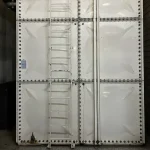
Fire water tanks are designed to provide reliable water storage for fire protection systems. However, like any infrastructure asset, they can deteriorate over time due to age, environmental exposure, and ongoing use.
As tanks begin to show signs of wear, many facility owners compare fire tank relining vs replacement to determine the most practical and cost-effective solution.
While replacement may seem like the most comprehensive option, it is not always necessary. In many cases, relining can restore performance, extend service life, and reduce project costs.
Understanding the differences between these approaches can help organizations make informed decisions about their fire water storage assets.
What is Fire Tank Relining?
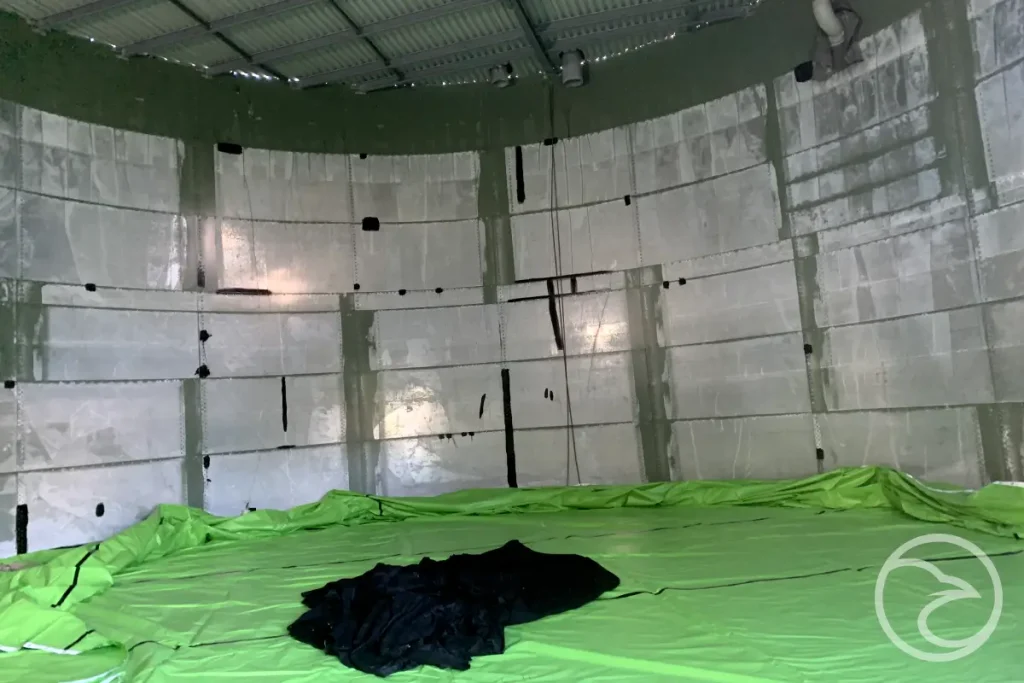
Fire tank relining involves restoring the internal protective lining of an existing tank. Over time, tank linings can deteriorate due to corrosion, water exposure, and environmental conditions. Relining addresses these issues by repairing or replacing the internal protective barrier while retaining the existing tank structure.
Many facilities use fire tank lining solutions to extend the lifespan of aging tanks without undertaking a full replacement project.
The relining process may include:
- Surface preparation
- Removal of damaged materials
- Corrosion treatment
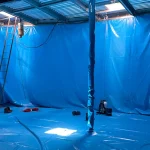
- Application of a new protective lining
- Final inspection and testing
When completed correctly, relining can significantly improve tank performance and reliability.
When Does a Fire Tank Need Attention?
Not every aging tank requires immediate replacement. However, certain signs may indicate that maintenance, relining, or further assessment is needed.
Common warning signs include:
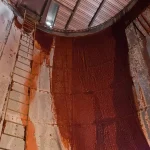
- Corrosion inside the tank
- Deteriorating coatings or linings
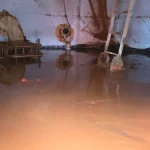
- Water leaks
- Rust staining
- Reduced structural integrity
- Inspection findings that identify defects
Addressing these issues early can help prevent more extensive damage and reduce future repair costs. Routine inspections are often the best way to identify problems before they become severe.
The Costs Associated with Fire Tank Replacement
Replacing a fire water tank involves much more than purchasing a new tank.
A replacement project may include:
- Removal of the existing tank
- Disposal of materials
- Site preparation
- Delivery of the new tank
- Installation work
- System integration
- Testing and commissioning
These activities can increase project costs and extend the overall timeline. In some cases, replacement may also require operational disruptions that affect facility activities.
For large commercial or industrial sites, these indirect costs can become a significant factor in the overall project budget.
The Costs Associated with Fire Tank Relining
Relining is often less expensive because it uses the existing tank structure. Rather than replacing the entire asset, the focus is placed on restoring the internal protective system.
Potential cost advantages include:
- Reduced material requirements
- Less demolition work
- Lower transportation costs
- Faster project completion
- Reduced operational disruption
Because the tank shell remains in place, relining projects are typically less complex than full replacement projects. This can result in lower overall expenditure while still restoring performance.
Benefits of Relining Over Replacement
In many situations, relining offers practical advantages that make it an attractive option.
Lower Capital Costs
Relining generally requires fewer materials and less labor than complete replacement. This often results in lower upfront project costs.
Reduced Downtime
A replacement project can take considerable time to complete. Relining is often faster, which can help reduce operational interruptions.
Extended Asset Life
A new lining can significantly extend the usable life of an existing tank. This allows organizations to maximize the value of their current infrastructure.
Less Site Disruption
Retaining the existing tank structure can reduce the amount of work required on-site. This is particularly beneficial in facilities where space is limited or access is restricted.
Improved Sustainability
Relining can reduce material waste by preserving the existing tank rather than replacing it entirely. For organizations focused on sustainability objectives, this can be an important consideration.
When Replacement may be the Better Option
Although relining can be highly effective, it is not always the right solution. There are situations where replacement may provide better long-term value.
Examples include:
Severe Structural Damage
If the tank structure has suffered extensive deterioration, relining alone may not address the underlying issues.
Advanced Corrosion
Significant corrosion affecting critical structural components may require replacement rather than restoration.
Capacity Limitations
Some facilities outgrow their existing storage systems. If greater storage capacity is required, replacement may provide an opportunity to upgrade the system.
Compliance Requirements
Changes in regulations, operational needs, or site requirements may make a new tank a more practical solution. A thorough condition assessment can help determine whether relining or replacement is the most appropriate option.
How Inspections Help Determine the Right Solution
The decision between relining and replacement should be based on accurate information about the condition of the tank.
Inspections provide valuable insight into:
- Structural integrity
- Corrosion levels
- Lining condition
- Potential failure risks
- Maintenance requirements
Without a detailed assessment, it can be difficult to determine which option provides the best long-term value. For a more detailed understanding of the inspection process, see our article what is fire water tank lining inspection.
Inspection findings often play a critical role in planning future maintenance and capital investment decisions.
Factors to Consider Before Making a Decision
Every fire water tank is different. Before choosing between relining and replacement, facility owners should evaluate several factors.
These include:
- Current tank condition
- Age of the asset
- Budget constraints
- Future operational requirements
- Compliance obligations
- Expected service life after repairs
Considering these factors together helps create a more balanced and informed decision-making process. In many cases, a professional assessment can provide the clarity needed to determine the most practical solution.
Conclusion
The decision between fire tank relining vs replacement depends on the condition of the asset, operational requirements, and long-term budget considerations. In many situations, relining offers a cost-effective way to restore performance, extend service life, and reduce project costs.
However, tanks with severe structural deterioration, significant corrosion, or changing operational requirements may benefit more from replacement.
By basing the decision on a thorough inspection and condition assessment, facility owners can choose the solution that delivers the best balance of performance, reliability, and long-term value.