Water storage tanks play a vital role in many industrial, commercial, and municipal systems. They support water supply networks, fire protection systems, manufacturing operations, and facility infrastructure. Because these systems often operate continuously, maintaining their condition is essential for long-term performance and reliability.
One of the most effective ways to ensure safe and efficient operation is through tank system monitoring. Regular monitoring allows facility managers to identify potential problems early and maintain proper operating conditions before issues become serious.
Early Detection of Structural Problems
Over time, storage tanks can experience structural wear caused by environmental exposure, internal pressure, and operational stress. Small issues such as cracks, corrosion, or coating deterioration may develop gradually and remain unnoticed without regular monitoring.
Consistent system monitoring helps detect early warning signs such as:
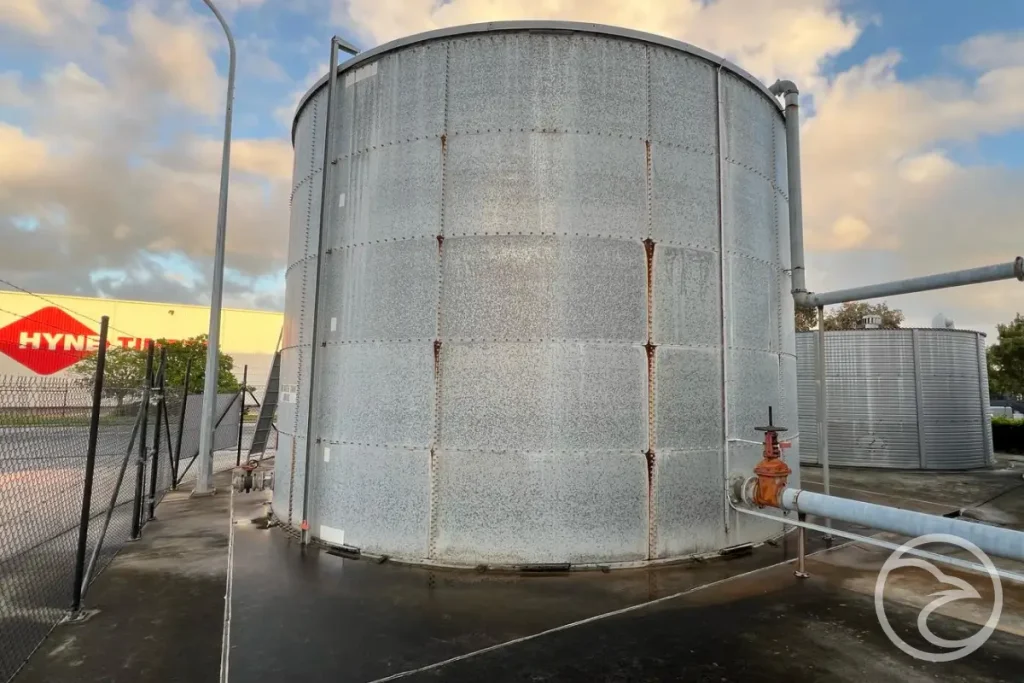
- corrosion forming on tank surfaces
- structural cracks or panel movement
- deterioration of protective coatings
- leaks in joints or connection points
By identifying these problems early, facilities can address them before they develop into larger structural failures.
Monitoring Water Quality and Contamination
Another important reason for tank monitoring is maintaining water quality. Tanks that store water for long periods may accumulate sediment, debris, or biological contaminants.
Without proper monitoring, these materials can affect the quality of stored water and interfere with system performance. Monitoring programs help identify conditions that may lead to contamination.
Common issues detected through monitoring include:
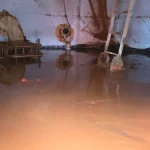
- sediment buildup at the bottom of tanks
- algae or microbial growth inside storage systems
- debris entering tanks through vents or access points
- reduced water clarity or quality
Maintaining clean water storage is particularly important in systems used for drinking water or fire protection.
Protecting System Performance
Storage tanks must deliver water efficiently when required. In systems such as fire protection infrastructure, reliable water supply is critical during emergency situations.
Tank system monitoring helps ensure that key components remain functional and capable of delivering water when needed. This includes monitoring valves, outlet pipes, and internal tank conditions that may affect water flow.
When system performance is regularly evaluated, potential problems can be resolved before they affect operations.
Supporting Preventive Maintenance
Preventive maintenance strategies depend on accurate information about system conditions. Monitoring programs provide valuable data that helps facility managers plan maintenance activities effectively.
Rather than waiting for major failures, facilities can use monitoring results to schedule repairs, cleaning, or restoration work at the right time. This approach helps reduce downtime and prevents costly damage.
Many facilities incorporate regular Tank Maintenance procedures alongside monitoring programs to ensure storage systems remain in optimal condition.
Maintaining reliable storage systems often requires regular tank care and servicing programs.
Extending the Lifespan of Storage Tanks
Water storage tanks represent a significant infrastructure investment. Extending the operational lifespan of these systems is important for controlling long-term operational costs.
Monitoring allows facilities to track changes in tank condition and identify areas that may require attention. Addressing minor issues early can significantly extend the life of the tank and prevent major structural deterioration.
Regular monitoring helps protect:
- tank walls and structural panels
- internal coatings and protective layers
- piping connections and fittings
- mechanical components connected to the system
By maintaining these components, facilities can preserve the reliability of their storage infrastructure.
Improving Operational Safety
Safety is another key benefit of monitoring storage systems. Structural damage, contamination, or mechanical failures can create risks for workers and facility operations.
Monitoring programs help ensure that storage tanks remain safe for continued use. Early detection of structural problems allows operators to take corrective action before conditions become hazardous.
This proactive approach supports safe working environments and helps protect valuable infrastructure.
The Importance of Consistent Monitoring
Storage tanks often operate quietly in the background of facility infrastructure, but their performance is critical to daily operations. Without proper monitoring, small issues can gradually develop into serious problems that affect reliability and safety.
Understanding the value of tank system monitoring highlights the importance of consistent oversight for water storage systems. By regularly evaluating system conditions, facilities can protect infrastructure, maintain water quality, and ensure long-term operational performance.