PVC tank liners are widely used in water storage systems due to their durability, flexibility, and resistance to corrosion. However, like any protective system, they require proper care to maintain their effectiveness over time.
By following the right maintenance approach, you can extend the lifespan of your liner, prevent leaks, and ensure consistent performance. Below are practical PVC tank liner maintenance tips to help you keep your system in optimal condition.
Why Maintenance of PVC Tank Liners Matters
Even though PVC liners are designed to withstand harsh conditions, they are still subject to wear and environmental stress. Without proper maintenance, small issues can develop into significant problems.
Regular maintenance helps:
- Prevent leaks and damage
- Maintain water quality
- Extend liner lifespan
- Reduce long-term repair costs
A proactive approach ensures reliable performance and avoids unexpected failures.
1. Conduct Regular Visual Inspections
Routine inspections are one of the most important maintenance practices. They help identify early signs of wear before they escalate.
Check for:
- Cracks, tears, or punctures
- Discoloration or surface damage
- Loose or damaged seams
Early detection allows for quick repairs and prevents more extensive damage.
2. Keep the Tank Clean
Sediment, debris, and biological growth can accumulate over time, affecting both the liner and water quality.
Cleaning helps:
- Prevent contamination
- Reduce strain on the liner
- Maintain system hygiene
Regular cleaning should be scheduled based on tank usage and environmental conditions.
3. Avoid Mechanical Damage
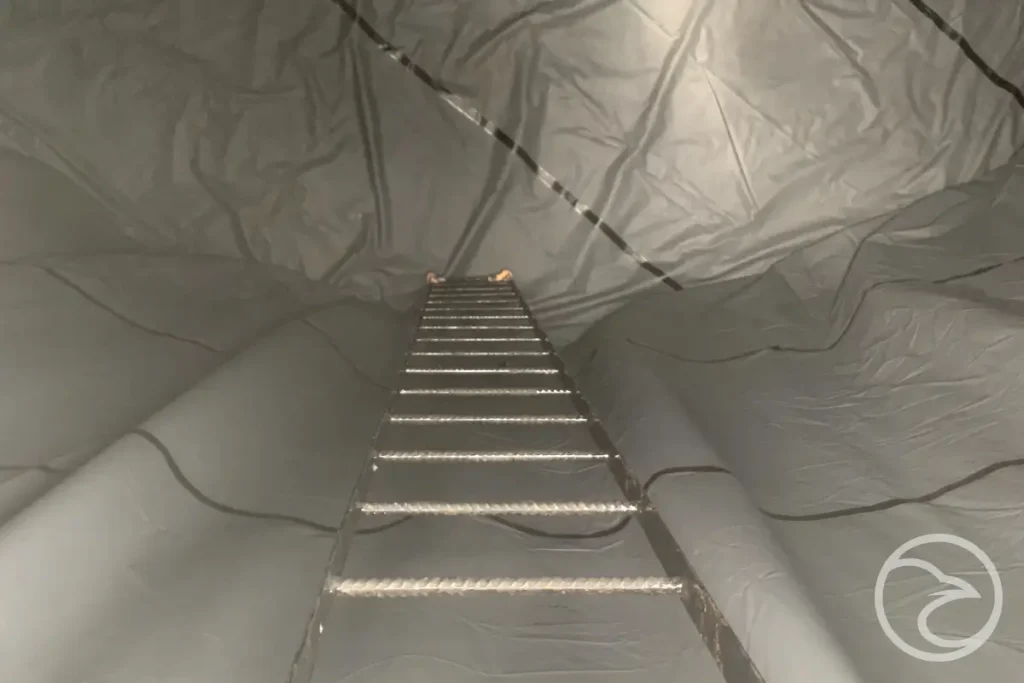
PVC liners can be damaged by sharp objects, heavy equipment, or improper handling during maintenance.
To prevent damage:
- Use protective equipment when entering the tank
- Avoid dragging tools across the liner surface
- Ensure careful movement inside the tank
Protecting the liner from physical stress is essential for long-term durability.
4. Monitor Seams and Joints
Seams and joints are critical areas where leaks are most likely to occur. These areas should be inspected regularly for signs of weakness.
Look for:
- Separation or lifting
- Moisture or leakage
- Wear along edges
Maintaining seam integrity is key to preventing system failure.
5. Control Water Quality
Water quality can have a direct impact on the condition of the liner. Contaminants and chemical imbalances can accelerate degradation.
Ensure:
- Proper filtration systems are in place
- Water is tested regularly
- Chemical levels are controlled
Maintaining clean and balanced water helps preserve the liner material.
6. Protect Against UV Exposure
If the tank is exposed to sunlight, UV radiation can gradually degrade the liner material.
Preventive measures include:
- Using UV-resistant covers
- Installing protective coatings
- Minimizing direct sunlight exposure
Reducing UV exposure can significantly extend the lifespan of PVC liners.
7. Maintain Proper Tank Conditions
Environmental and operational conditions can affect liner performance.
Monitor:
- Temperature fluctuations
- Pressure levels
- Tank usage patterns
Keeping conditions within recommended limits helps prevent unnecessary stress on the liner.
8. Schedule Professional Inspections
In addition to routine checks, periodic professional inspections are essential. Experts can detect issues that may not be visible during basic inspections.
Professional services can:
- Assess overall liner condition
- Identify hidden damage
- Recommend maintenance or repairs
Combining routine and professional inspections ensures comprehensive care.
Common Mistakes to Avoid
To maximize the effectiveness of your maintenance efforts, avoid common mistakes such as:
- Skipping regular inspections
- Using improper cleaning methods
- Ignoring early signs of damage
Avoiding these mistakes helps maintain liner performance and reliability.
Why Preventive Maintenance is the Best Approach
Preventive maintenance is always more effective than reactive repairs. By following consistent maintenance practices, you can:
- Extend the life of your PVC liner
- Reduce operational risks
- Improve overall system performance
A proactive strategy ensures long-term efficiency and cost savings.
Final Thoughts
PVC liners are a reliable and cost-effective solution for water storage, but they require proper care to perform at their best. By following these PVC tank liner maintenance tips—such as regular inspections, cleaning, and early repairs—you can protect your system from damage and extend its lifespan.
Consistent maintenance ensures that your tank remains safe, efficient, and ready to meet operational demands.