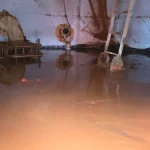
Sediment build-up is one of the most common water tank sediment issues found in both industrial and agricultural settings. While all water tanks naturally accumulate sediment over time, certain conditions in these environments cause the process to happen much faster. Excessive sediment affects water quality, reduces storage capacity, strains pumps, and accelerates wear on internal tank surfaces.
This article explores the main reasons sediment accumulates more rapidly in industrial and farm water tanks and why understanding these factors is essential for long-term system performance.
Understanding Sediment Build-Up in Water Tanks
Sediment forms as particles settle at the bottom of a tank. These particles can include:
- soil and dust
- rust flakes
- algae residues
- organic matter
- mineral deposits
- debris carried through rainwater or bore water
In small amounts, sediment is expected. However, when accumulation becomes excessive, it creates a range of water tank sediment issues, from reduced water clarity to internal surface deterioration.
Industrial and agricultural tanks tend to experience these problems sooner because of their operating environments and how water is sourced, stored, and used.
1. Environmental Exposure in Agricultural Settings
Farm water tanks often sit in open, dusty environments. Wind, soil disruption from machinery, livestock activity, and seasonal weather patterns constantly introduce airborne particles. These particles easily enter tanks through:
- unsealed roof openings
- damaged vents
- poorly fitted lids
- downpipes or guttering systems
Because farm tanks frequently store rainwater or surface runoff, they are especially prone to high sediment loads.
2. Heavy Water Usage Cycles in Industrial Facilities
Industrial tanks typically experience high flow rates and frequent cycling of water. This movement stirs settled particles back into circulation, making them more likely to accumulate quickly. Some industrial processes introduce additional particulate matter through:
- process water containing minerals
- filtration bypass during high demand
- internal corrosion from metal components
- high-pressure inflow disturbing settled sediment
Over time, these cycles contribute to rapid build-up, requiring more frequent cleaning and inspections.
3. Variations in Water Sources
The type of water used in industrial and agricultural tanks greatly influences sediment levels:
- Groundwater (bore water): Often contains minerals, sand, and fine clay particles that settle quickly.
- Surface water: May carry organic matter, algae, and silt.
- Rainwater: Although clean, it collects debris from gutters and roof surfaces, especially on rural properties.
These source variations mean tanks in these environments naturally face greater sediment loads compared to tanks in controlled urban systems.
4. Internal Corrosion and Material Breakdown
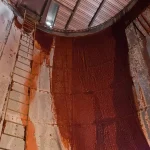
When tanks age, corrosion, coating failure, and micro-abrasion produce internal surface fragments that add to sediment. This is especially common in:
- steel tanks with worn coatings
- concrete tanks experiencing surface breakdown
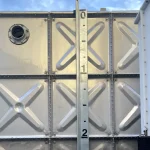
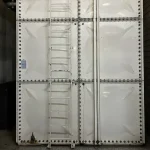
- older panel tanks with ageing sealants
Rust flakes and deteriorating internal layers settle quickly and significantly increase sediment levels, contributing to long-term water tank sediment issues.
5. Temperature Changes Affect Sediment Levels
Industrial and farm tanks often experience wide temperature fluctuations. Heat accelerates biological growth, while cooler temperatures promote condensation. These conditions create:
- algae growth that dies off and becomes sediment
- mineral precipitation due to temperature shifts
- moisture cycles that weaken internal tank surfaces
Together, they increase the amount of material settling at the bottom of the tank.
6. Inadequate Filtration or Screening
Many rural and industrial sites rely on simple filtration systems. When screens, strainers, or leaf guards are insufficient or poorly maintained, they allow:
- grit
- organic debris
- leaf fragments
- fine dust
- micro-sediment
to enter the system unhindered. Over time, this drastically increases sediment accumulation.
Managing heavy sediment deposits often requires specialised procedures that are outlined in resources covering broader tank hygiene practices.
7. Long Periods of Water Stagnation
Stagnant water encourages sedimentation. Agricultural tanks used primarily for livestock or seasonal irrigation may sit unused for long periods. Similarly, industrial systems with low-flow cycles allow particles to settle much faster.
Stagnation also raises the risk of biological growth, further adding to sediment volume.
8. Lack of Regular Internal Maintenance
Even well-designed tanks will accumulate sediment if not maintained. Many industrial and farm operations prioritise external maintenance while overlooking internal cleaning. Without scheduled inspections and sediment removal, small deposits quickly form large layers that:
- reduce water capacity
- increase contamination risks
- accelerate internal surface deterioration
- affect pumping efficiency
In some cases, thick sediment layers can conceal early structural or coating-related problems.

Conclusion
Sediment accumulates faster in industrial and farm water tanks due to environmental exposure, high-demand water cycles, natural debris sources, material degradation, and inadequate filtration. Understanding these factors is essential for facility owners who want to reduce water tank sediment issues, prolong tank lifespan, and maintain consistent water quality.