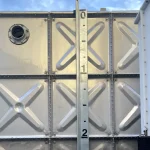
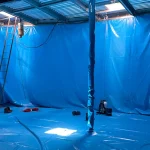
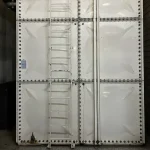
Stainless steel sectional tanks are widely used throughout Melbourne in commercial, industrial, municipal and agricultural applications. They’re valued for their durability, hygiene and long-term performance. However, even the highest-grade stainless steel is not immune to age, environmental impacts and water chemistry. Over time, the internal surfaces of these tanks can begin to deteriorate, leading to corrosion, leaks and contamination risks if the issue isn’t addressed.
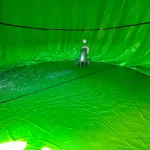
One of the most effective ways to prolong the lifespan of a stainless steel sectional tank is relining. A high-quality liner reinstates internal protection, prevents corrosion and restores water integrity without replacing the tank structure itself.
Stainless steel sectional tanks are widely used across commercial, industrial and municipal facilities throughout Melbourne. If you’re planning an upgrade or a new installation, explore our stainless steel sectional tanks here
But how do you know when it’s time to reline? Here are the key signs to look out for.
Visible Rust Spots or Discolouration Inside the Tank
Even though stainless steel contains chromium that helps prevent rust, internal surfaces can still oxidise over time — especially in environments like:
- High-humidity storage areas
- Coastal regions with salt in the air
- Facilities using bore, recycled or chemical-treated water
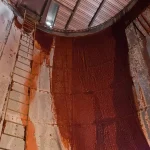
If you notice brown, yellow or cloudy patches, the metal surface is beginning to break down. Early-stage corrosion may seem minor, but it spreads gradually and can compromise the tank’s structure if ignored. Relining creates a protective barrier that stops further oxidation and prevents contamination.
Changes in Water Taste, Odour or Clarity
For tanks used to store drinking, process or production-related water, water quality is a critical indicator of internal tank health.
Warning signs include:
- Metallic taste
- Chlorine-like or chemical odours
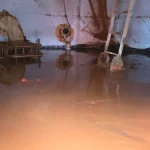
- Slight cloudiness
- Mineral residue
These symptoms occur when the tank’s surface coating has deteriorated and water is reacting with exposed metal. Relining prevents direct contact between the water and the tank walls, restoring safety and compliance.
Small Leaks, Damp Patches or Moisture Around the Base
Stainless steel sectional tanks typically fail gradually, not suddenly.
The earliest signs are often subtle:
- Damp or wet concrete near the tank base
- Small drips around panel joints
- Moisture around access points or outlets
In many cases, the cause is simply worn gaskets or coating failure. Stainless steel tank relining fixes the issue early, preventing leaks from turning into major structural damage or a full replacement job.
Damage, Cracking or Wear in an Existing Liner
Many stainless steel tanks already have liners installed — especially those used for chemical or treated water storage. However, liners don’t last forever.
Look for:
- Cracks along folds or seams
- Brittle patches
- Wrinkling or delamination
- Discolouration
Once a liner begins to fail, it can no longer contain liquid reliably. Replacing it before contaminants reach the steel surface saves significant cost and downtime.
Drops in Water Pressure or Irregular Water Levels
Performance issues can also signal internal deterioration.
If your system experiences:
- Inconsistent pressure
- Sudden level fluctuations
- Slow refill cycles
…it may indicate internal leaks or coating failures affecting system efficiency. Relining restores consistent tank performance.
Why Relining Matters — and why Waiting Costs More
Relining is significantly more cost-effective than replacing an entire tank.
Benefits include:
- Restores internal corrosion protection
- Extends service life by 10+ years
- Prevents contamination and compliance issues
- Avoids structural failure
- Minimises operational downtime
Waiting allows corrosion to spread, which can lead to complete panel replacement or tank decommissioning. Early intervention is always the cheaper option. If your tank is showing signs of internal wear, corrosion or minor leaks, timely stainless steel tank relining can restore full protection and prevent expensive repairs.

Why this is Especially Important in Melbourne
Melbourne’s water storage conditions are uniquely challenging:
| Condition | Impact on Tanks |
|---|---|
| Variable water chemistry (chlorinated, bore, recycled) | Accelerates surface degradation |
| High humidity seasons | Encourages internal condensation |
| Coastal and bayside environments | Airborne chlorides increase corrosion |
| Industrial chemical exposure | Weakens protective coatings |
Why Choose Tank Liners Melbourne by Raven Tanks Australia
We specialise in custom-engineered liners for stainless steel sectional tanks across commercial, industrial and municipal facilities.
What sets us apart:
- Custom-fabricated liners to match exact tank dimensions
- Options for potable, process and chemical water applications
- Minimal downtime with efficient onsite installation
- Compliance with Australian standards (AS/NZS 4020 etc.)
- 20+ years of experience in industrial water containment
Our relining solutions are designed to extend tank life, improve water safety and prevent future corrosion.