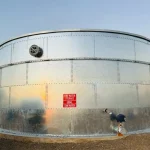
Selecting the right material for your water storage system is one of the most important decisions for long-term performance. In Australia’s harsh climate, both GRP tanks (Glass Reinforced Plastic) and stainless steel sectional tankshave become popular solutions for industrial, commercial, and municipal projects. But which is better for your needs?
Let’s explore the strengths, differences, and applications of each.
What are GRP Tanks?
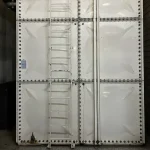
GRP tanks, also known as Glass Reinforced Plastic water tanks, are made from a composite material that combines fiberglass and resin. This creates a lightweight yet incredibly strong structure that resists corrosion, rust, and chemical damage.
Key features of GRP tanks:
- Corrosion-resistant, ideal for coastal or industrial environments.
- Lightweight modular panels for easy transportation and installation.
- Excellent strength-to-weight ratio.
- Low maintenance requirements.
- Long lifespan and customizable sizes.
These tanks are commonly used for potable water, stormwater management, fire water storage, and industrial process water.
Tank Liners Melbourne by Raven Tanks Australia designs and installs GRP sectional water tanks across Melbourne and beyond, ensuring full compliance with local and Australian standards.
What are Stainless Steel Sectional Tanks?
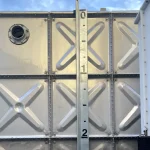
Stainless steel sectional tanks are built from high-grade stainless steel panels (usually SS304 or SS316) that offer superior durability and hygiene. These tanks are ideal for potable water, food processing, and medical facilities where sanitation and quality are top priorities.
Advantages of stainless steel sectional tanks:
- Exceptional hygiene — perfect for drinking water.
- Resistant to high temperatures and UV exposure.
- Long-term structural integrity.
- Elegant appearance for architectural projects.
- Fully recyclable and environmentally friendly.
Tank Liners Melbourne by Raven Tanks Australia provides custom stainless steel sectional tank systems designed for Australian conditions, combining strength, safety, and compliance with water industry standards.

GRP vs Stainless Steel: a Detailed Comparison
| Feature | GRP Tanks | Stainless Steel Sectional Tanks |
|---|---|---|
| Material | Fiberglass-reinforced plastic | High-grade stainless steel (SS304/SS316) |
| Corrosion Resistance | Excellent | Excellent, but can be affected by chlorides |
| Weight | Lightweight | Heavier and more rigid |
| Hygiene | Good, depends on lining | Excellent — ideal for potable water |
| Cost | More affordable | Higher initial cost |
| Maintenance | Minimal | Low but periodic cleaning required |
| Applications | Fire water, rainwater, process water | Potable water, food-grade, industrial use |
In short, GRP tanks are best for industrial, fire, and stormwater storage applications, while stainless steel sectional tanksexcel in clean water and hygienic environments.
Why Choose Tank Liners Melbourne?
Tank Liners Melbourne by Raven Tanks Australia is a trusted specialist in water tank design, manufacturing, and installation across Australia. With expertise in both GRP tanks and stainless steel sectional tanks, the company provides tailored solutions that meet your technical, environmental, and budget requirements.
From potable water systems to large-scale industrial storage, Tank Liners Melbourne by Raven Tanks Australia ensures long-term reliability and compliance with Australian standards.
Conclusion
Both GRP and stainless steel tanks are excellent choices for modern water storage, but each serves different priorities. By understanding their benefits and limitations, you can make an informed decision that ensures durability, efficiency, and cost-effectiveness.
For professional advice or a custom quote, contact Tank Liners Melbourne by Raven Tanks Australia – your trusted partner in innovative tank design and installation.