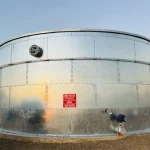
Hot dip galvanised tanks are designed to provide reliable water storage in demanding operating environments. Their protective zinc coating helps reduce corrosion and protects the underlying steel.
However, even durable galvanised tanks require regular maintenance. Environmental exposure, water quality, structural movement, and everyday wear can affect tank performance over time. Without appropriate care, minor defects may develop into costly problems.
Proper maintenance helps protect the zinc coating, identify leaks, and maintain structural integrity. It also supports long-term reliability for commercial, industrial, agricultural, and fire protection water storage systems.
This guide explains how to maintain hot dip galvanised tanks, which components require attention, and how to prevent avoidable deterioration.
Why is Regular Maintenance Important for Hot Dip Galvanised Tanks?
Hot dip galvanising provides long-lasting corrosion protection, but it does not eliminate maintenance requirements. Zinc coatings gradually react with surrounding environmental conditions. Their durability depends on moisture, airborne contaminants, and the operating environment.
Tank components also experience normal wear. Seals may deteriorate, connections may loosen, and drainage systems can become obstructed.
Routine maintenance helps identify these issues before they affect tank operation.
The main benefits include:
-
Corrosion prevention: Identifying damaged coatings helps reduce the risk of exposed steel corrosion.
-
Leak detection: Regular checks can reveal problems around joints, fittings, and connections.
-
Structural protection: Inspections help identify deformation, settlement, and damaged supports.
-
Reduced repair costs: Early intervention may prevent minor defects from becoming major failures.
-
Operational reliability: Maintenance helps keep water storage systems functioning as intended.
-
Long-term planning: Inspection records support informed decisions about repairs and component replacement.
Maintenance should reflect the tank’s design, stored liquid, environmental exposure, and intended application. A fire protection tank may have different inspection requirements from an agricultural water storage tank.
Proper maintenance of hot dip galvanised tanks helps protect their zinc coating, prevent corrosion, and ensure reliable water storage performance.
How often Should Hot Dip Galvanised Tanks be Inspected?
Inspection frequency depends on the tank’s operating conditions and applicable maintenance requirements. There is no universal inspection schedule suitable for every galvanised tank.
Tanks exposed to coastal salt, industrial pollutants, or aggressive water conditions may require closer monitoring. Critical storage systems may also have specific inspection obligations.
Routine Visual Checks
Routine visual checks help identify obvious changes in tank condition.
These checks can include:
-
Visible rust or coating damage
-
Leaks around joints and fittings
-
Unusual panel deformation
-
Standing water near the foundation
-
Damaged roof components
-
Blocked drainage
-
Signs of movement around supports
Operators should document unusual observations and arrange further assessment when necessary.
Periodic Detailed Inspections
Detailed inspections examine areas that routine checks may overlook. These assessments may involve coating measurements, connection inspections, and structural condition evaluations.
Internal inspections may also be necessary when permitted by the tank’s design and operating requirements. Specialist access procedures are essential for enclosed or confined spaces.
Additional Inspections After Unusual Events
Certain events can justify an additional inspection. Examples include severe storms, flooding, accidental impacts, and suspected foundation movement.
Significant changes in water quality or unexpected leakage may also require investigation. Inspection frequency should follow manufacturer recommendations, engineering advice, and applicable standards.
How to Inspect the Galvanised Coating
The zinc coating is one of the most important protective features of a galvanised steel tank. Regular coating inspections help identify deterioration before the underlying steel becomes extensively exposed.
Check for Scratches and Mechanical Damage
Mechanical damage can occur during installation, maintenance, or nearby equipment operations. Inspect accessible surfaces for deep scratches, impact damage, and exposed steel.
Pay particular attention to areas around ladders, platforms, fittings, and external attachments. Small surface marks do not always compromise corrosion protection.
However, deeper damage may require appropriate repair.
Identify Unusual Surface Deposits
Galvanised steel can develop different surface appearances over time. A dull grey finish is often part of normal zinc weathering.
White corrosion products may form when zinc surfaces remain wet under certain conditions. These deposits do not necessarily indicate corrosion of the underlying steel.
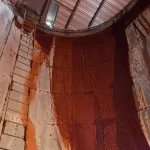
However, persistent deposits or unusual surface deterioration deserve closer examination. Red-brown rust may indicate exposed steel and should be investigated.
Assess Coating Thickness When Necessary
Visual inspections cannot always establish the remaining zinc coating thickness. Suitable coating thickness measurements can provide additional information.
These measurements may be useful when investigating unusual deterioration or planning long-term maintenance. Results should be interpreted alongside environmental conditions and the coating’s original specifications.
A qualified inspector can determine whether further assessment is necessary.
How to Clean Hot Dip Galvanised Tanks Safely
Cleaning can help remove contaminants that contribute to coating deterioration. However, unsuitable cleaning products or abrasive methods may damage galvanised surfaces.
Cleaning procedures should follow the manufacturer’s recommendations and site safety requirements.
Remove Dirt and Surface Debris
Dirt, leaves, and other debris can accumulate on accessible tank surfaces. These materials may retain moisture against the galvanised coating.
Use suitable non-abrasive cleaning methods to remove deposits. Clean water and soft brushes may be appropriate for some external surfaces.
Avoid aggressive scrubbing that could damage the protective coating.
Avoid Harsh Chemicals
Strong acids and highly alkaline cleaning products can attack zinc coatings. Some chemical cleaners may also damage seals, liners, or other tank components.
Avoid using products without confirming their compatibility. Where cleaning chemicals are necessary, follow approved procedures and product instructions.
Be Careful With Pressure Washing
High-pressure cleaning can damage vulnerable coatings, seals, and connections. It may also force water into areas that are not designed for direct pressure exposure.
Use pressure washing only when the manufacturer approves the method. Cleaning pressure, nozzle distance, and surface condition must be considered.
Keep Drainage Areas Clear
Debris around the tank base can restrict drainage. Standing water may increase corrosion risks around supports and connections.
Remove accumulated material and check that drainage routes remain unobstructed. Do not disturb structural foundations or supports during cleaning.
How to Prevent Corrosion in Galvanised Water Tanks
Corrosion prevention is an important part of galvanised tank maintenance. Although zinc provides protective properties, aggressive conditions can gradually consume the coating.
Preventive measures should address both external exposure and internal operating conditions.
Monitor Environmental Exposure
Coastal and industrial environments may accelerate coating deterioration. Airborne salt, pollutants, and persistent moisture can influence corrosion rates.
Inspect exposed surfaces more closely when these conditions are present. Particular attention may be necessary around sheltered joints and areas where contaminants accumulate.
Repair Damaged Coatings
Damaged galvanising may require localised repairs. Suitable repair systems can restore protective coverage in affected areas.
However, the correct method depends on the coating condition and operating environment. Repair materials must be compatible with galvanised steel.
Relevant coating repair requirements should also be considered. AS/NZS 4680 provides requirements for hot dip galvanised coatings, including certain repair provisions.
Avoid Trapped Moisture
Moisture accumulation can create conditions that encourage corrosion. Inspect areas where water may collect around fittings, supports, and connections.
Maintain suitable drainage and remove debris when safe. Persistent moisture problems may require changes to drainage arrangements.
Prevent Contact with Incompatible Materials
Contact between dissimilar metals can contribute to galvanic corrosion under certain conditions. The risk depends on the materials, electrical contact, and presence of an electrolyte.
Fasteners and attachments should follow the tank manufacturer’s specifications. Do not replace original components with alternative metals without confirming compatibility.
How to Maintain Bolted Connections and Tank Joints
Bolted connections are important structural elements in galvanised panel tanks. They help secure individual panels and maintain the intended tank configuration.
Joints may also incorporate seals or other components that support water containment.
Inspect Connections for Damage
Look for visible corrosion, damaged fasteners, and unusual movement around connections. Check for water leakage or staining near panel joints.
These signs may indicate seal deterioration or connection problems. Not every leak results from loose bolts.
An appropriate assessment should identify the cause before repairs begin.
Avoid Unauthorised Bolt Tightening
Incorrect bolt tightening can damage connections or sealing components. Overtightening may also introduce unnecessary stresses into tank panels.
Do not adjust structural fasteners without suitable procedures. Use the manufacturer’s specified tightening methods and torque requirements where applicable.
Check Joint Seals
Seals can deteriorate through ageing, chemical exposure, and mechanical movement. Inspect accessible joints for visible defects and leakage.
Damaged seals may require replacement using compatible materials. Replacement procedures should preserve the tank’s structural and watertight performance.
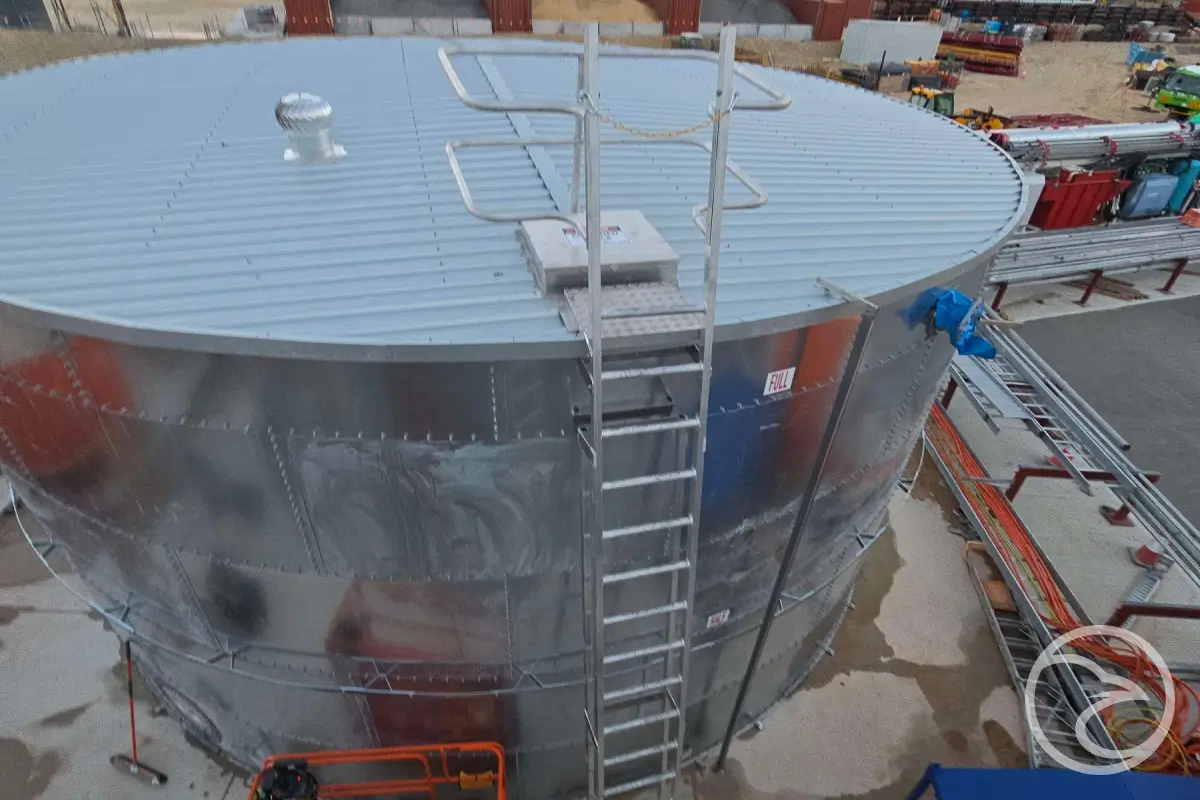
How to Maintain Tank Liners and Internal Components
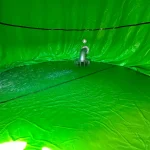
Some galvanised panel tanks use internal liners to separate stored water from the steel structure. These liners can play an important role in water containment and corrosion management.
Their maintenance requirements differ from those of galvanised steel surfaces.
Inspect Liner Condition
Where safely accessible, inspect liners for visible damage.
Potential concerns include:
-
Tears or punctures
-
Unusual stretching
-
Abrasion around fittings
-
Damaged attachment points
-
Leakage behind the liner
-
Deteriorated seams
A damaged liner may allow water to reach areas not intended for direct exposure. However, liner inspection procedures depend on the tank design.
Check Internal Fittings
Internal fittings may include pipe connections, outlets, and other equipment. Inspect accessible components for leakage, corrosion, and mechanical damage.
Pay attention to areas where fittings pass through liners or tank walls. These locations may require specialised sealing arrangements.
Follow Safe Entry Procedures
Internal tank inspection can involve significant safety hazards. Confined spaces may contain unsafe atmospheres or present restricted access conditions.
Tank entry should only occur under appropriate safety procedures. Trained personnel, suitable equipment, and required permits may be necessary.
Routine maintenance personnel should never enter a tank without proper authorisation.
How to Check the Tank Foundation and Structural Supports
Foundation condition can affect the performance of the entire tank. Uneven settlement may introduce additional stresses into panels, connections, and supporting structures.
These problems can occur even when the galvanised coating remains in good condition.
Look for Foundation Movement
Inspect accessible areas for cracking, settlement, and unusual gaps. Changes in panel alignment may also indicate movement.
Visible distortion should be investigated rather than treated as a cosmetic issue.
Maintain Drainage Around the Base
Water accumulation around foundations can contribute to deterioration. Poor drainage may also affect surrounding soil conditions.
Keep drainage systems functioning as intended. Investigate recurring standing water or erosion near structural supports.
Inspect Support Components
Some tank designs incorporate additional structural supports or anchoring systems. These components may require periodic inspection.
Look for corrosion, movement, or visible damage. Any suspected structural defect should be assessed by a qualified professional.
Common Hot Dip Galvanised Tank Maintenance Mistakes
Some maintenance practices can unintentionally reduce tank durability. Avoiding these mistakes helps protect both the coating and structural components.
Using Abrasive Cleaning Tools
Wire brushes, grinding tools, and aggressive cleaning methods can remove protective zinc. Surface preparation should follow approved repair procedures.
Routine cleaning should not unnecessarily damage intact galvanising.
Ignoring Small Leaks
A minor leak may indicate a developing seal or connection problem. Ignoring it can allow further deterioration.
Investigate the source and arrange appropriate repairs.
Applying Incompatible Coatings
Not every paint or protective coating is suitable for galvanised steel. Poor compatibility can lead to adhesion problems or premature coating failure.
Select repair systems designed for the intended substrate and exposure conditions.
Replacing Fasteners Without Checking Specifications
Incorrect replacement fasteners may create corrosion or structural problems. Material compatibility, dimensions, strength, and coating requirements all matter.
Use components that meet the manufacturer’s specifications.
Neglecting Inspection Records
Without maintenance records, it becomes harder to identify recurring defects. Documenting inspections supports better long-term planning.
It also helps future inspectors understand previous repairs and condition changes.
When Should You Arrange Professional Tank Maintenance?
Routine visual checks can identify many obvious problems. However, some conditions require specialised assessment or repair.
Professional assistance may be necessary when inspections identify:
-
Extensive rust or coating deterioration
-
Persistent leakage
-
Structural deformation
-
Foundation movement
-
Damaged connections
-
Suspected liner failure
-
Unexplained water loss
-
Significant corrosion around critical components
A qualified professional can assess the severity of the problem. They can also recommend suitable repair, monitoring, or replacement measures.
For critical water storage systems, maintenance decisions should consider operational and regulatory requirements.
Professional tank maintenance helps identify potential issues early, prevent costly damage, and keep water storage systems operating reliably.
How to Create a Galvanised Tank Maintenance Checklist
A structured checklist makes routine maintenance more consistent. It also helps operators document changes between inspections.
The following checklist provides a general starting point.
| Component | Maintenance check |
|---|---|
| External panels | Check for rust, scratches, and coating damage |
| Bolted connections | Look for corrosion, movement, and leakage |
| Seals and joints | Identify visible deterioration or water loss |
| Tank roof | Check for damage, debris, and drainage issues |
| Foundation | Look for cracking, settlement, and standing water |
| Drainage | Remove blockages and investigate persistent moisture |
| Liners, where fitted | Check for damage using approved inspection procedures |
| Fittings | Inspect for leakage and corrosion |
| Maintenance records | Document findings, repairs, and follow-up actions |
This checklist does not replace manufacturer-specific maintenance instructions. Inspection frequency and procedures should reflect the tank’s application and applicable requirements.
Understanding the factors affecting hot dip galvanised tank lifespan helps owners plan maintenance, prevent premature deterioration, and make informed decisions about long-term tank care.
Final Thoughts
Maintaining hot dip galvanised tanks involves more than protecting their zinc coating. Regular inspections should also consider joints, seals, foundations, fittings, and internal components.
Suitable cleaning, corrosion prevention, and timely repairs can help reduce avoidable deterioration. Maintenance requirements should always reflect the tank’s design and operating environment.
A consistent maintenance programme helps support reliable water storage and better long-term asset management.