Water tanks play an important role in storing safe and reliable water for homes, businesses, industrial facilities, and fire protection systems. Although tanks are designed to protect water from external contamination, they do not remain clean indefinitely. Sediment, organic matter, bacteria, and other contaminants can gradually accumulate inside, affecting both water quality and tank performance.
Many people assume that a sealed tank requires little maintenance. In reality, every water tank should be inspected and cleaned at appropriate intervals. Even small amounts of debris can create conditions that encourage biological growth or accelerate corrosion. Over time, these issues may reduce storage capacity, shorten the lifespan of the tank, and increase maintenance costs.
The required cleaning frequency depends on several factors. Tank type, water source, environmental conditions, and how the stored water is used all influence maintenance schedules. A potable water tank has different hygiene requirements than a fire water tank or a commercial process water tank.
Regular cleaning is not only about maintaining water quality. It also provides an opportunity to inspect the tank for corrosion, leaks, damaged coatings, worn fittings, or structural defects before they become more serious.
This guide explains why water tank cleaning matters, the signs that indicate cleaning is needed, how often different tanks should be cleaned, and how regular maintenance supports long-term performance and compliance.
Why Water Tank Cleaning Matters
Clean water depends on more than the quality of the incoming supply. The condition of the storage tank also plays a major role.
Over time, particles carried by the water settle at the bottom of the tank. Dust, leaves, insects, and organic material may enter through damaged lids or vents. Even well-protected tanks gradually accumulate sediment during normal operation.
Without routine cleaning, these materials may contribute to:
- sediment build-up
- sediment build-up
- algae development
- algae development
- reduced water quality
- corrosion
- blocked outlets
- reduced storage capacity
Cleaning removes accumulated contaminants before they begin affecting system performance.
Routine cleaning also creates an opportunity to inspect internal surfaces. Corrosion, coating damage, cracked liners, loose fittings, and leaking joints are often easier to identify once sediment has been removed.
For commercial facilities, preventive cleaning also helps reduce the likelihood of unexpected maintenance and extends the service life of valuable storage assets.
Professional water tank cleaning helps restore water quality, improve tank hygiene, and identify maintenance issues before they become costly repairs.
Signs Your Water Tank Needs Cleaning
Many tanks continue operating even when contamination has begun to develop. Recognising early warning signs allows maintenance to be scheduled before larger problems occur.
Sediment Inside the Tank
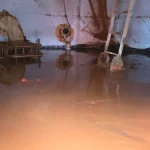
Sediment naturally settles at the bottom of most storage tanks. Fine sand, dirt, mineral deposits, and organic material gradually accumulate over time.
Thick layers of sediment reduce effective storage capacity and may interfere with inspections.
Cloudy or Discoloured Water
Changes in water appearance often indicate contamination. Cloudiness may result from suspended sediment, corrosion products, or biological growth.
Brown or reddish water can sometimes indicate internal corrosion within steel tanks.
Unpleasant Odours
Clean stored water should not develop strong smells. Musty, earthy, or stale odours may suggest bacterial activity, algae growth, or accumulated organic matter.
Visible Algae Growth
Algae require moisture and light to grow. Although properly sealed tanks limit sunlight exposure, damaged lids, access covers, or translucent tank walls may allow algae to develop.
Slime or Biofilm
Slippery deposits on internal surfaces often indicate biofilm formation. Biofilms provide an environment where microorganisms can continue growing despite normal water movement.
Failed Water Quality Tests
Routine water testing sometimes identifies contamination before visible signs appear. Unexpected changes in microbiological or chemical results may indicate that cleaning is required.
Reduced Water Flow
Heavy sediment can partially block outlets, valves, or connected pipework. Reduced flow rates may signal that accumulated debris is beginning to affect system performance.
Rust Particles
Small rust particles may appear when corrosion develops inside steel tanks. While not every rust particle indicates serious damage, it usually warrants further inspection.
What Causes Water Tanks to Become Dirty?
Even well-maintained tanks gradually collect contaminants. Several factors contribute to this process.
Sediment
Natural minerals and suspended particles settle during storage. Over time, these deposits form layers along the tank floor.
Organic Debris
Leaves, pollen, insects, bird droppings, and dust may enter through damaged covers or ventilation openings. These materials gradually decompose inside the tank.
Biological Growth
Warm temperatures, nutrients, and stagnant conditions encourage bacterial growth. If sunlight reaches stored water, algae may also develop.
Corrosion
Steel tanks naturally produce corrosion products when protective coatings deteriorate. Rust particles may accumulate alongside other sediment.
Damaged Covers and Screens
Loose access covers, damaged vents, or missing insect screens increase contamination risks. Even small openings allow debris and pests to enter.
Infrequent Maintenance
The longer a tank remains without inspection or cleaning, the greater the accumulation of contaminants. Small maintenance issues also become harder to detect beneath heavy sediment.
Does Every Type of Water Tank Need Cleaning?
Yes. Every water tank benefits from regular cleaning, although maintenance priorities differ depending on its purpose.
Potable Water Tanks
Potable water tanks require the highest level of hygiene. Because the stored water is intended for drinking, cooking, or personal use, maintaining cleanliness is essential.
Sediment, biofilm, and bacterial growth can affect water quality even when the incoming supply meets drinking water standards. Routine cleaning helps maintain hygiene while allowing inspectors to examine the tank for corrosion, damaged coatings, or worn seals.
Fire Water Tanks
Fire water tanks often remain unused for long periods. During this time, sediment, corrosion products, and organic material gradually settle inside the tank. Excessive sediment can reduce available storage capacity and may affect the performance of pumps or other fire protection equipment.
Cleaning also provides an opportunity to inspect structural components and confirm the tank remains ready for emergency use.
Commercial Water Tanks
Commercial facilities rely on water storage for many different purposes. Office buildings, warehouses, hospitals, shopping centres, manufacturing plants, and industrial sites all depend on reliable water storage systems.
Regular cleaning helps maintain water quality, protects connected equipment, and supports planned maintenance programmes.
Rainwater Tanks
Rainwater tanks naturally collect material carried from roofs and gutters.
Common contaminants include:
- leaves
- dust
- pollen
- insects
- bird droppings
Although filtration reduces contamination, periodic cleaning remains an important part of rainwater system maintenance.
Agricultural Water Tanks
Agricultural tanks often operate in environments with higher contamination risks. Dust, organic matter, algae, and seasonal debris may accumulate more quickly than in urban installations.
Cleaning frequency should reflect local environmental conditions and water use.
How Often Should Water Tanks be Cleaned?
There is no universal cleaning schedule that applies to every water tank. Cleaning frequency depends on the tank’s purpose, water source, environmental conditions, inspection findings, and the quality requirements for the stored water. Some tanks require more frequent maintenance because they store drinking water, while others are cleaned based on inspection results or operational needs.
The following table provides general guidance.
| Tank Type | Typical Cleaning Frequency |
|---|---|
| Potable water tanks | Every 1–2 years or as recommended after inspection |
| Fire water tanks | Based on inspection findings and maintenance requirements |
| Commercial water tanks | According to water quality, usage, and maintenance plans |
| Rainwater tanks | Every 2–3 years or when contamination is identified |
| Agricultural water tanks | Based on seasonal conditions and water quality |
These timeframes should always be supported by regular inspections. A tank may require cleaning sooner if contamination, excessive sediment, or water quality issues are detected.
Rather than relying solely on a calendar, many organisations combine scheduled maintenance with condition-based inspections. This approach allows cleaning to be performed when it is actually needed.
Factors that Affect Cleaning Frequency
No two water tanks operate under exactly the same conditions. Several factors influence how quickly contaminants accumulate and how often cleaning should be scheduled.
Water Source
The quality of incoming water has a significant impact on maintenance needs. Water supplied from rivers, dams, rainwater harvesting systems, or untreated sources often contains more suspended material than treated municipal supplies.
Higher sediment levels generally require more frequent cleaning.
Tank Location
The surrounding environment also affects contamination risk. Tanks located near trees, agricultural land, construction sites, or dusty industrial areas are more likely to collect debris than tanks installed in cleaner environments.
Poor drainage around the tank may also contribute to maintenance issues.
Tank Material
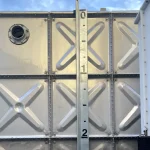
Different materials respond differently to ageing and contamination. Steel tanks may produce corrosion products if protective coatings deteriorate. Concrete tanks can release fine particles from ageing surfaces. Polyethylene and fibreglass tanks generally resist corrosion but still accumulate sediment and biological growth.
Cleaning schedules should consider the specific characteristics of each tank material.
Stored Water Type
Not all stored water serves the same purpose. Drinking water systems usually require stricter hygiene standards than irrigation or process water storage. Fire water tanks may not require frequent cleaning, but they should still be inspected regularly to confirm that sediment has not reduced usable storage capacity.
The intended use of the water influences maintenance priorities.
Climate
Environmental conditions affect biological growth. Warm temperatures encourage algae and bacteria, particularly where sunlight enters the tank. Heavy rainfall may increase the amount of sediment and organic material entering rainwater systems.
Regional climate should always be considered when planning maintenance.
Inspection Results
Inspection findings provide one of the most reliable indicators of cleaning requirements. Visible sediment, corrosion, biological growth, or declining water quality may all suggest that cleaning should be carried out earlier than planned.
A condition-based maintenance programme often delivers better long-term results than fixed cleaning intervals alone.
Water Tank Cleaning and Industry Standards
Water tank cleaning is more than a housekeeping task. It forms part of a broader maintenance programme that helps protect water quality, support system reliability, and meet applicable regulatory requirements.
While cleaning frequencies vary, many industries recommend combining routine cleaning with scheduled inspections and documented maintenance records.
For potable water tanks, maintaining hygiene is essential to support safe water storage. Regular cleaning helps remove sediment, biofilm, and other contaminants that may affect water quality over time.
Fire water tanks also require ongoing maintenance. Although they are not used daily, they must remain ready for emergency operation. Sediment build-up, corrosion, or blocked outlets can reduce the effectiveness of a fire protection system if left unaddressed.
Commercial and industrial facilities often include water tank cleaning within broader asset management programmes. Cleaning is typically coordinated with inspections, repairs, water quality monitoring, and preventive maintenance to minimise operational disruption.
Maintenance records are equally important. Documenting inspections, cleaning activities, repairs, and water quality testing provides a clear maintenance history and supports future planning. Well-maintained records also demonstrate that routine servicing has been completed as part of a structured maintenance programme.
Rather than treating cleaning as an isolated task, many organisations integrate it into a long-term maintenance strategy that protects both water quality and the condition of the storage asset.
What Happens if Water Tanks are not Cleaned?
Delaying water tank cleaning may not cause immediate problems, but contamination continues to build over time. As sediment accumulates, the tank becomes more difficult to inspect. Hidden corrosion, damaged coatings, or small leaks may remain unnoticed beneath accumulated debris.
Poor maintenance can also lead to:
- declining water quality
- increased bacterial growth
- algae development
- reduced storage capacity
- blocked outlets and valves
- higher maintenance costs
For potable water systems, neglected cleaning may increase the risk of contamination. In commercial facilities, poor water quality can affect daily operations and place additional stress on connected equipment.
Fire water tanks present a different concern. Heavy sediment deposits can reduce the volume of water available during an emergency and may interfere with pumps or other fire protection equipment.
Cleaning at appropriate intervals helps avoid these issues while supporting the long-term performance of the entire storage system.
Water Tank Cleaning Checklist
Cleaning a water tank should be part of a structured maintenance programme rather than a one-time task. A simple checklist helps ensure that important components are inspected while the tank is out of service.
Before Cleaning
Before cleaning begins, it is good practice to:
- inspect the external condition of the tank
- assess visible signs of contamination
- check access covers and vents
- isolate the tank if required
- review previous inspection and maintenance records
These steps help identify existing issues before the interior is cleaned.
During Cleaning
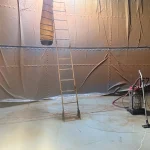
Once the tank is empty, maintenance personnel can assess areas that are normally hidden beneath stored water.
Attention is typically given to:
- sediment accumulation
- corrosion
- damaged coatings
- cracks
- liner condition
- joints and seals
- inlet and outlet fittings
Cleaning provides a valuable opportunity to identify defects that may otherwise remain unnoticed.
After Cleaning
Before returning the tank to service, it is recommended to:
- inspect all internal surfaces
- confirm fittings are secure
- check for leaks
- verify that access covers are properly sealed
- carry out water quality testing where appropriate
- record all maintenance activities
Documenting completed work creates a valuable maintenance history and supports future inspections.
Best Practices for Keeping Water Tanks Clean
Although regular cleaning is essential, several preventive measures can slow contamination and reduce maintenance requirements.
Inspect Tanks Regularly
Routine inspections help identify small problems before they become major maintenance issues. Checking the condition of the tank, roof, vents, pipework, and surrounding area allows defects to be addressed early.
Keep Covers and Vents Secure
A properly sealed tank is less likely to collect debris. Damaged lids, loose access covers, and missing insect screens allow leaves, insects, dust, and small animals to enter the tank.
Maintaining these components helps protect stored water.
Maintain Gutters and Inlets
For rainwater harvesting systems, clean gutters reduce the amount of debris entering the tank. Removing leaves and organic matter before they reach the storage system helps improve water quality.
Monitor Water Quality
Regular water quality testing provides valuable information about the condition of stored water. Changes in clarity, odour, or microbiological results may indicate that cleaning or further investigation is required.
Prevent Corrosion
Corrosion increases maintenance requirements and shortens tank life. Routine inspections, protective coatings, and timely repairs help reduce deterioration before significant damage develops.
Address Minor Problems Early
Small defects rarely remain small. Repairing damaged seals, loose fittings, blocked overflows, or minor coating damage prevents larger maintenance issues from developing later.
A proactive approach usually reduces both maintenance costs and operational disruption.
Conclusion
This Water Tank Cleaning Guide highlights why regular cleaning is an essential part of maintaining safe water storage and protecting valuable infrastructure. Over time, sediment, organic matter, corrosion products, and biological growth naturally accumulate inside tanks, even when they appear to be operating normally.
Different types of tanks have different maintenance priorities. Potable water tanks require strict hygiene standards, fire water tanks must remain ready for emergency use, and commercial water tanks support a wide range of business operations. Understanding these differences helps owners develop maintenance programmes that match the specific needs of each system.
Different types of tanks have different maintenance priorities. Potable water tanks require strict hygiene standards, fire water tanks must remain ready for emergency use, and commercial water tanks support a wide range of business operations. Understanding these differences helps owners develop maintenance programmes that match the specific needs of each system.
Rather than relying on fixed cleaning intervals alone, the most effective approach combines regular inspections, water quality monitoring, and condition-based maintenance. This allows contamination and deterioration to be identified before they affect water quality, storage capacity, or system reliability.