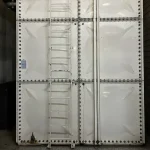
Fire water tanks are essential components of fire protection systems. Their reliability directly impacts emergency response effectiveness. To ensure proper performance, regular inspections must follow established standards such as AS1851.
Using a structured AS1851 fire tank inspection checklist helps maintain compliance and system readiness. It also reduces the risk of failure during critical situations.
Why AS1851 Inspections are Important
AS1851 sets out requirements for the routine service of fire protection systems. It ensures that all components, including water tanks, are inspected and maintained regularly.
Failure to comply with these standards can lead to system inefficiency or legal risks. More importantly, it can compromise safety in emergency situations.
Understanding the scope of as1851 fire tank inspections helps ensure that all critical elements are covered during maintenance.
External Tank Condition
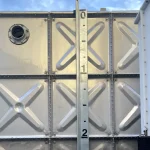
The inspection process begins with a visual assessment of the tank exterior. Check for signs of corrosion, cracks, or physical damage. These issues can weaken the structure over time.
Inspect the tank foundation and supports. Ensure there are no signs of movement or instability. External damage should be addressed promptly to prevent further deterioration.
Internal Tank Inspection
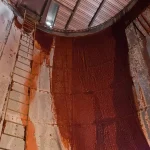
Internal inspection is essential for identifying hidden issues. Look for sediment buildup, corrosion, or coating failure inside the tank.
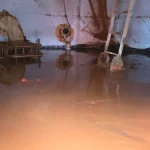
Water quality should also be assessed. Discoloration or debris may indicate contamination. These issues can affect system performance and must be resolved quickly.
Overflow and Drain Systems
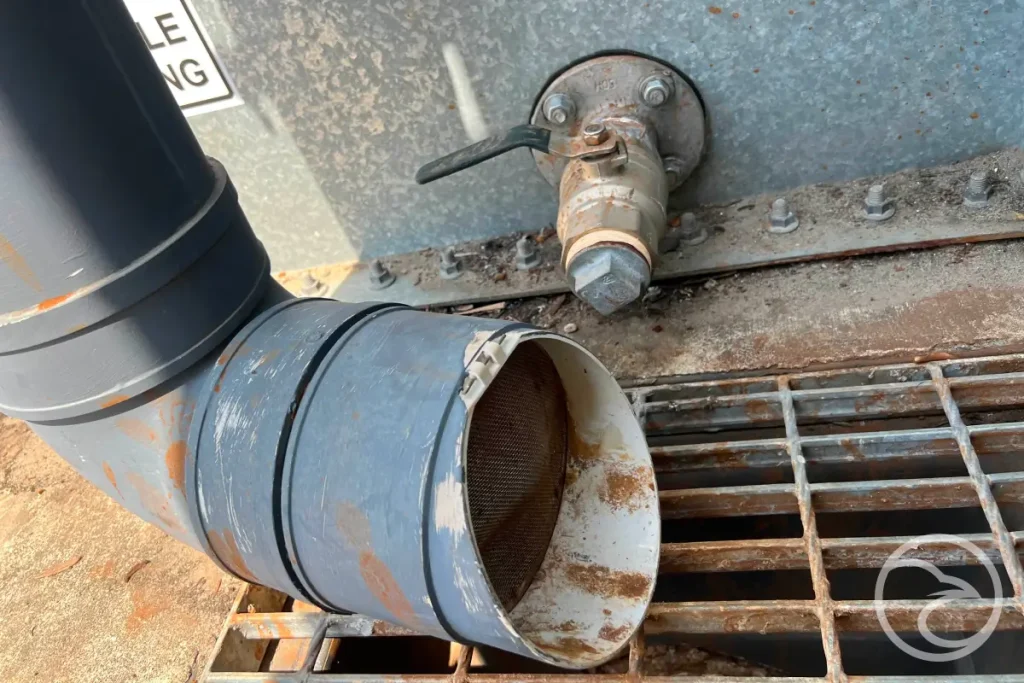
Overflow systems are critical for handling excess water. Inspect overflow outlets to ensure they are clear and operational.
Drain systems should also be checked regularly. Proper drainage prevents sediment buildup and maintains water quality.
Blocked overflow or drain systems can lead to operational issues and potential damage.
Tank Linings and Coatings
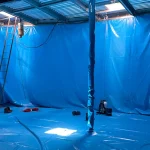
Protective linings help prevent corrosion and extend the lifespan of the tank. Inspect internal coatings for cracks, peeling, or wear.
Damaged linings expose the tank surface to moisture. This can lead to corrosion and structural problems over time.
If issues are detected, repairs or relining may be required to restore protection.
Access Points and Safety Features
Access hatches, ladders, and platforms must be safe and secure. Inspect these components for damage or wear.
Ensure that access points are properly sealed. This prevents contamination and maintains water quality.
Safety features should comply with relevant standards. Regular checks help reduce risks for maintenance personnel.
Pumps and Connected Systems
Fire tanks are often connected to pumps and other system components. These must be inspected as part of the overall system.
Check pump operation and ensure there are no leaks or pressure issues. Proper integration between the tank and connected systems is essential.
Any malfunction can affect system performance during emergencies.
Documentation and Record Keeping
Accurate records are an important part of AS1851 compliance. All inspections, findings, and maintenance actions should be documented.
This information is used for audits and regulatory checks. It also helps track system performance over time.
Maintaining clear records supports long-term maintenance planning.
Inspection Frequency
AS1851 outlines specific inspection intervals. These may include monthly, six-monthly, and annual checks depending on the system.
Regular inspections ensure that issues are identified early. They also help maintain compliance with regulatory requirements.
Following the recommended schedule is essential for reliable system performance.
Common Issues Identified During Inspections
Inspections often reveal recurring problems. These include corrosion, sediment buildup, and damaged components.
Leaks and blockages are also common issues. Addressing these early helps prevent more serious damage.
Understanding common problems allows for better preventive maintenance strategies.
Final Thoughts
Using an AS1851 fire tank inspection checklist ensures that all critical components are assessed regularly. This supports compliance, safety, and system reliability.
By following a structured inspection process, businesses can reduce risks and maintain readiness. Regular maintenance is essential for ensuring that fire protection systems perform when needed most.