Regular maintenance of stormwater systems is essential for preventing flooding, ensuring compliance, and maintaining long-term performance. For facility managers, having a structured inspection process helps identify issues early and avoid costly repairs.
This stormwater tank inspection checklist provides a practical guide to help you monitor system condition, maintain compliance, and keep your drainage infrastructure operating efficiently.
Why Regular Stormwater Tank Inspections Matter
Stormwater tanks are exposed to debris, sediment, and fluctuating water levels. Over time, these factors can affect system performance and lead to blockages or structural damage.
Routine inspections help:
- detect problems before they escalate
- maintain proper water flow
- extend the lifespan of the system
- ensure compliance with local regulations
Stormwater Tank Inspection Checklist
Use this checklist to standardise your inspection process and ensure no critical components are overlooked.
Monthly Inspection Checklist
- Check for visible damage or cracks
- Inspect access covers and ensure they are secure
- Look for debris accumulation around inlets and outlets
- Identify any signs of leaks or unusual water levels
Quarterly Inspection Checklist
- Assess sediment build-up inside the tank
- Inspect inlet and outlet pipes for blockages
- Check flow control systems for proper operation
- Ensure drainage pathways are clear
Annual Inspection Checklist
- Conduct a detailed internal inspection
- Evaluate structural integrity of the tank
- Check for corrosion or material deterioration
- Review overall system performance

Common Issues Identified During Inspections
During routine inspections, several issues may be identified:
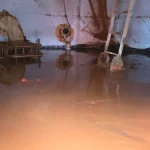
- sediment accumulation reducing storage capacity
- blocked or restricted pipes
- damaged internal components
- poor water flow or drainage performance
Addressing these issues early helps maintain system reliability and compliance.
How a Checklist Supports Compliance
Using a structured checklist ensures inspections are consistent and properly documented. This is especially important for facilities that must meet local stormwater management requirements.
To better understand regulatory expectations, review OSD tank inspection requirements and how they apply to your system.
When to Schedule Professional Inspection Services
While routine checks can be carried out on-site, professional inspections provide a more detailed assessment of system condition.
Qualified specialists can identify hidden issues, assess internal components, and ensure your system meets all operational and compliance standards.
Learn more about stormwater tank inspection services for comprehensive system assessments.
Final Thoughts
A well-structured inspection process is key to maintaining efficient and compliant stormwater systems. By following a clear checklist and addressing issues early, facility managers can reduce risks, improve performance, and extend the lifespan of their infrastructure.