Stormwater detention tank maintenance helps preserve storage capacity, drainage performance, and structural condition throughout the tank’s service life. These systems temporarily store stormwater and release it into the drainage network at a controlled rate.
Sediment, debris, corrosion, and damaged components can gradually reduce system performance. Many problems remain hidden because detention tanks are often underground or located away from everyday operations. A planned maintenance program helps identify risks early and reduces unexpected repair costs.
This guide explains essential maintenance tasks, cleaning requirements, inspection planning, and common warning signs.
Why Stormwater Detention Tank Maintenance Matters
Stormwater detention tanks manage large volumes of runoff during heavy rainfall. Their performance depends on clear pipework, available storage capacity, and functional flow-control components. Without regular maintenance, sediment and debris can accumulate inside the tank.
This build-up reduces the space available for temporary stormwater storage. Restricted inlets or outlets may also prevent water from entering or leaving the system correctly.
Poor performance can contribute to:
- Slow drainage
- Localised flooding
- Standing water
- Blocked pipework
- Increased pressure on downstream drainage
- Unplanned repair costs
- Shorter asset life
Maintenance also protects structural and protective components from gradual deterioration. Moisture can contribute to corrosion on steel surfaces, ladders, brackets, and internal fittings. Concrete structures may develop cracks, joint deterioration, or surface damage.
Tank liners can become worn, punctured, detached, or damaged around penetrations. Early maintenance is usually more manageable than repairing widespread deterioration. Regular condition records also help facility managers monitor changes between maintenance visits.
This information supports better budgeting and helps prioritise future work. A reliable maintenance program should reflect the tank’s design, age, environment, and operational history.
To better understand how inspections support effective maintenance, read our stormwater detention tank inspections guide.
What Does Stormwater Detention Tank Maintenance Include?
Stormwater detention tank maintenance includes planned activities that protect the tank and its connected drainage components. The exact work depends on the system’s condition and identified risks.
Routine maintenance commonly includes:
- Removing sediment and debris
- Cleaning tank floors and internal surfaces
- Clearing inlet and outlet structures
- Checking flow-control devices
- Inspecting overflow systems
- Monitoring corrosion
- Assessing concrete surfaces
- Checking liners and protective coatings
- Inspecting access covers and ladders
- Repairing minor defects
- Recording completed maintenance
Maintenance should focus on both structural condition and operational performance. A clean tank may still contain damaged liners, corroded components, or cracked concrete.
Likewise, a structurally sound tank may perform poorly because of blocked pipework. The maintenance process should therefore consider the entire stormwater detention system. Any work inside a detention tank also requires suitable safety planning.
Underground tanks may present restricted access, poor ventilation, or other confined-space risks. Qualified personnel should assess access conditions before internal work begins. Maintenance records should document the condition found and the actions completed.
Photographs can provide useful evidence for future comparisons. Clear records also help property owners understand recurring problems and long-term maintenance costs.
Inspection and Maintenance: what is the Difference?
Inspection and maintenance are connected activities, but they serve different purposes. An inspection assesses the condition of the tank and identifies existing or developing problems. Maintenance addresses those findings through cleaning, repairs, adjustments, or component replacement.
A stormwater detention tank inspection may identify:
- Sediment accumulation
- Restricted water flow
- Corrosion
- Concrete deterioration
- Damaged liners
- Leaks
- Faulty access components
- Blocked outlets
The inspection report then helps determine which maintenance actions should receive priority. Minor defects may only require monitoring during future inspections.
More serious problems may require cleaning, repairs, or specialist investigation. Maintenance should not rely only on visible external warning signs. Many important components remain hidden inside the tank.
Regular stormwater detention tank inspections provide the condition information needed for effective maintenance planning. Combining inspections with scheduled maintenance creates a more proactive asset management approach.
This approach helps prevent minor issues from becoming expensive failures.

Routine Stormwater Detention Tank Maintenance Tasks
Routine maintenance focuses on preserving drainage performance and preventing avoidable deterioration. Tasks should be based on the tank’s condition, not a generic checklist alone.
Important routine activities include:
Removing Surface Debris
Leaves, litter, vegetation, and loose materials can collect around access points and drainage structures. Removing this material helps reduce the chance of internal blockages.
Checking Inlets and Outlets
Inlet and outlet structures should remain clear and physically secure. Restricted flow can reduce the system’s effectiveness during heavy rainfall.
Monitoring Sediment Levels
Sediment gradually collects on the tank floor. Regular monitoring helps determine when cleaning or sediment removal becomes necessary.
Inspecting Access Components
Covers, ladders, platforms, and entry points should remain secure and serviceable. Damaged access components can create safety risks and delay future maintenance.
Reviewing Visible Structural Conditions
Accessible concrete, steel, and liner surfaces should be checked for deterioration. Changes should be documented for comparison during later inspections.
Maintaining Site Records
Maintenance dates, findings, photographs, and completed repairs should be recorded. Consistent records support better long-term asset management and budget planning.
Sediment Management and Stormwater Tank Cleaning
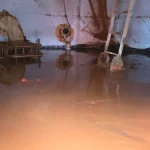
Sediment management is one of the most important parts of stormwater detention tank maintenance. Runoff can carry soil, sand, organic matter, litter, and fine particles into the tank. Over time, this material settles on the floor and reduces usable storage capacity.
Sediment can also affect internal drainage components and restrict water movement.
Common signs of excessive sediment include:
- Reduced storage volume
- Slow discharge
- Blocked outlets
- Standing water
- Strong odours
- Visible debris near access points
Sediment levels should be monitored during inspections and routine maintenance visits. Cleaning should be arranged when build-up begins affecting storage capacity or drainage performance. The cleaning method depends on tank size, access, sediment depth, and site conditions.Some systems require pumping, vacuum removal, or controlled wash-down procedures.
All waste should be handled and disposed of appropriately. Professional water tank cleaning services can help remove accumulated sediment and restore system performance.
Cleaning also creates better access for structural assessments and repair work.
Maintaining Inlets, Outlets, and Flow-Control Devices
Inlets, outlets, and flow-control devices regulate how water enters and leaves the detention tank. These components must remain clear, secure, and correctly positioned.
Even a small blockage can affect drainage performance during heavy rainfall.
Routine checks should look for:
- Sediment around openings
- Debris inside pipes
- Damaged grates
- Loose fittings
- Corrosion
- Cracked pipe connections
- Restricted overflow paths
- Faulty valves or control devices
Water flow should remain consistent with the original system design. Unexpected ponding or slow discharge may indicate internal restrictions.
Flow-control devices should not be adjusted without suitable technical advice. Incorrect changes may affect downstream drainage performance.
Where defects are found, repairs should be completed before severe weather increases system demand.
Protecting OSD Tank Liners and Internal Surfaces
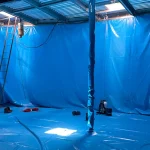
Tank liners and protective coatings help shield structural surfaces from moisture and contaminants. Their condition should be monitored during every inspection and maintenance cycle.
Common liner problems include:
- Tears
- Punctures
- Delamination
- Loose sections
- Worn seams
- Damage around pipe penetrations
- Chemical or surface deterioration
Small liner defects can allow moisture to reach the underlying tank structure. This may contribute to corrosion, leaks, or concrete deterioration.
Protective coatings can also fail because of age, poor adhesion, or constant moisture exposure. Damaged areas should be assessed before repairs are planned. Some defects may require local repairs, while widespread damage may require replacement.
Routine cleaning should avoid methods that could damage liners or coatings. Maintenance teams should use suitable equipment and controlled procedures.
Corrosion and Concrete Deterioration
Stormwater detention tanks often operate in damp environments that encourage gradual deterioration. Steel components may corrode when coatings fail or water remains trapped on surfaces. Concrete tanks may develop cracking, spalling, joint movement, or surface breakdown.
Early warning signs include:
- Rust staining
- Flaking coatings
- Pitted steel surfaces
- Exposed reinforcement
- Concrete cracks
- Loose surface material
- Water seepage
- Joint deterioration
Minor deterioration should be documented and monitored. Active corrosion or expanding cracks may require specialist assessment.
Repairing early defects can reduce the risk of more extensive structural work later. Maintenance plans should prioritise areas exposed to constant moisture or poor ventilation.
How Often Should Maintenance be Completed?
There is no single maintenance interval suitable for every stormwater detention tank. The correct schedule depends on several factors.
These include:
- Tank age
- Tank material
- Sediment load
- Site activity
- Local rainfall
- Previous defects
- Access conditions
- Maintenance history
A newer tank in a low-sediment area may require less frequent cleaning. An older underground tank near construction activity may need closer monitoring.
Maintenance should also be considered after:
- Severe storms
- Local flooding
- Major construction works
- Drainage failures
- Property handover
- Long periods without inspection
Inspection findings should guide the final maintenance schedule. Condition-based maintenance is usually more effective than relying on fixed dates alone.
Creating a Preventative Maintenance Plan
A preventative maintenance plan helps reduce emergency repairs and unexpected drainage problems. The plan should be practical, documented, and based on the tank’s actual condition.
A useful plan may include:
- Inspection dates
- Cleaning triggers
- Sediment monitoring
- Repair priorities
- Access requirements
- Safety procedures
- Photographic records
- Contractor details
- Future review dates
Maintenance tasks should be prioritised by risk and operational impact. Blocked outlets and active leaks usually require faster action than minor surface wear.
Historical records can reveal recurring issues and help improve future planning. A consistent approach also supports budgeting and asset management.
Professional water tank maintenance services can help coordinate inspections, cleaning, repairs, and long-term maintenance planning.
Conclusion
Stormwater detention tank maintenance is essential for preserving storage capacity, supporting reliable drainage performance, and extending the service life of stormwater assets. A proactive maintenance program that includes routine inspections, sediment management, cleaning, and timely repairs helps reduce long-term costs while keeping stormwater systems operating efficiently.