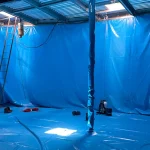
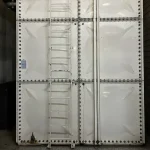
Stormwater detention tank inspections help property owners understand the condition of their stormwater assets before small issues become major repairs. Regular inspections support reliable drainage, improve system performance, and help maintain long-term asset value.
Stormwater detention tanks are critical components of modern stormwater management systems. They temporarily store runoff during heavy rainfall and release it at a controlled rate. Without routine inspections, sediment, corrosion, structural deterioration, and blockages can reduce their effectiveness.
This guide explains how stormwater detention tanks work, why inspections matter, what they typically include, and who is responsible for maintaining these important assets.
What is a Stormwater Detention Tank?
A stormwater detention tank is a storage structure designed to temporarily hold stormwater during periods of heavy rainfall. Unlike permanent storage systems, detention tanks slowly release collected water into the drainage network after the storm has passed. This controlled discharge helps reduce peak water flows and minimises pressure on public drainage infrastructure.
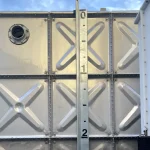
Stormwater detention tanks are commonly installed beneath commercial buildings, industrial facilities, shopping centres, schools, hospitals, and residential developments. Some systems are located above ground, while many are installed underground to maximise available land.
A typical stormwater detention system may include:
- Storage chambers
- Inlet and outlet pipework
- Overflow structures
- Access points
- Flow control devices
- Internal liners or protective coatings
These components work together to manage stormwater safely and efficiently.
Without proper maintenance, the system may gradually lose storage capacity or experience reduced flow performance. Sediment accumulation, structural deterioration, and damaged components can all affect how effectively the tank operates during major rainfall events.
Because detention tanks often remain out of sight, their condition may not become obvious until drainage problems occur. Regular inspections help identify developing issues before they impact the overall stormwater system.
What are Stormwater Detention Tank Inspections?
Stormwater detention tank inspections are detailed assessments that evaluate the condition, performance, and integrity of a detention tank and its associated components.
The purpose of an inspection is not simply to identify visible defects. It also helps determine whether the system continues to perform as originally designed. During an inspection, qualified inspectors examine both the structural condition and the operational performance of the tank.
Depending on the asset, an inspection may assess:
- Structural components
- Tank walls and floors
- Internal liners
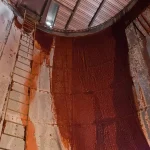
- Corrosion and surface deterioration
- Sediment accumulation
- Inlet and outlet structures
- Pipework
- Access covers
- Water ingress
- Signs of leakage
Inspectors also document any conditions that could affect storage capacity, drainage efficiency, or long-term asset performance.
The information collected during an inspection provides property owners with a clear understanding of the tank’s current condition. This supports informed maintenance planning and helps prioritise future works.
Inspections are particularly valuable because many detention tanks remain inaccessible during normal operation. Problems can develop gradually over many years without obvious external signs.
A routine inspection provides an opportunity to detect deterioration before it leads to expensive repairs or system failures. If you require a professional assessment, explore our stormwater detention tank inspection services for certified inspections and detailed condition reporting.
Why are Stormwater Detention Tank Inspections Important?
Stormwater detention tanks perform an essential role during heavy rainfall. Their effectiveness depends on the condition of every major component within the system.
Over time, tanks are exposed to moisture, sediment, debris, fluctuating water levels, and environmental conditions that contribute to gradual deterioration.
Regular inspections help identify these changes before they become significant operational problems.
Some of the main benefits include:
- Detecting structural deterioration early
- Identifying corrosion before it spreads
- Monitoring sediment accumulation
- Maintaining storage capacity
- Improving drainage performance
- Supporting preventative maintenance planning
- Reducing unexpected repair costs
- Extending the service life of the asset
Early identification often allows maintenance to be scheduled before emergency repairs become necessary.
Routine inspections also provide valuable historical records. Comparing inspection reports over time helps asset owners understand how the condition of a detention tank is changing and which components require closer monitoring.
For commercial properties, reliable stormwater infrastructure also helps reduce operational risks during severe weather events.
Blocked outlets, excessive sediment, or damaged structural components can all reduce system performance when stormwater demand is highest.
Rather than reacting to failures after they occur, regular inspections allow property owners and facility managers to make informed maintenance decisions based on the actual condition of the asset.
This proactive approach often results in lower lifecycle costs and more reliable stormwater system performance.
Who is Responsible for Stormwater Detention Tank Inspections?
Responsibility for stormwater detention tank inspections usually rests with the property owner or the organisation managing the site. Regular inspections help ensure the system continues to perform as intended throughout its service life.
The responsible party depends on the type of property and its ownership structure.
Commonly responsible parties include:
- Commercial property owners
- Facility managers
- Industrial site operators
- Strata and body corporate managers
- Property management companies
- Local councils
- Schools and universities
- Healthcare facilities
- Property developers
Many commercial and industrial sites include stormwater detention tanks as part of their overall drainage infrastructure. These assets require ongoing monitoring to maintain reliable performance and support long-term maintenance planning.
Facility managers often coordinate inspection schedules as part of preventative maintenance programs. This approach helps identify deterioration before it affects daily operations or requires major repairs.
Developers may also arrange inspections before project handover to confirm the condition of newly constructed stormwater infrastructure.
Councils and public organisations commonly inspect detention tanks that support roads, parks, public buildings, and community facilities. Regular condition assessments help prioritise maintenance budgets and manage long-term infrastructure performance.
Regardless of who manages the asset, maintaining inspection records provides valuable information about the condition of the tank over time. Historical reports can help identify recurring issues and support future maintenance decisions.
What Does a Stormwater Detention Tank Inspection Include?
Although every detention tank is different, most inspections follow a systematic process to assess the overall condition of the asset and identify any developing issues.
The inspection usually begins with a visual assessment of the site and safe access to the tank. Inspectors then examine the major components that influence structural integrity and operational performance.
A typical stormwater detention tank inspection may include:
- Structural condition assessment
- Internal wall and floor inspection
- Roof and support component inspection
- Tank liner assessment
- Corrosion and surface deterioration checks
- Sediment level assessment
- Inlet and outlet inspection
- Overflow structure inspection
- Pipework assessment
- Leak identification
- Access cover and safety component inspection
Each component is assessed for visible defects, wear, deterioration, or conditions that could affect system performance. Inspectors also evaluate whether sediment or debris is reducing the available storage capacity within the tank. Even moderate sediment accumulation can affect drainage performance over time.
Where deterioration is identified, the findings are documented with photographs and detailed observations. This information helps property owners understand the severity of each issue and determine appropriate maintenance priorities.
Inspection reports often become valuable references for future condition comparisons, allowing changes to be monitored throughout the asset’s lifecycle.
Common Problems Identified During Stormwater Detention Tank Inspections
Stormwater detention tanks operate in challenging environments. Constant exposure to moisture, sediment, and changing water levels can gradually affect both structural components and drainage performance.
Many problems develop slowly and remain hidden until an inspection is completed.
Some of the most common issues include:
Sediment Build-Up
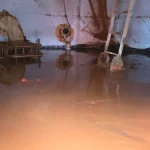
Sediment gradually accumulates on the tank floor during normal operation. Excessive build-up reduces storage capacity and may restrict water flow during heavy rainfall.
Corrosion
Steel components can corrode over time when protective coatings deteriorate or moisture remains trapped on surfaces. Early treatment helps prevent more extensive damage.
Concrete Deterioration
Concrete tanks may develop cracks, spalling, or joint movement as they age. Regular inspections help monitor these changes before structural repairs become necessary.
Damaged Tank Liners
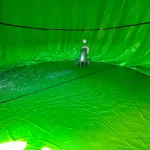
Protective liners may experience tears, punctures, delamination, or general wear. Damaged liners can increase the risk of leaks and ongoing deterioration.
Blocked Inlets and Outlets
Leaves, debris, sediment, and other materials may restrict water flow through inlet or outlet structures. Blockages reduce drainage efficiency during storm events.
Leaks and Water Ingress
Visible leaks or unexpected water ingress may indicate damaged joints, failed liners, or structural defects requiring further investigation.
Many of these problems can be addressed through planned maintenance rather than emergency repairs. Early identification gives asset owners greater flexibility when scheduling future maintenance works.

How Often Should Stormwater Detention Tanks be Inspected?
There is no single inspection schedule suitable for every stormwater detention tank. Inspection frequency depends on several factors, including the tank’s age, condition, location, design, and operating environment.
Tanks exposed to heavy sediment loads or frequent storm events may require more regular condition assessments than systems operating under lighter demands.
Several situations commonly indicate that an inspection should be considered.
| Situation | Why an inspection is recommended |
|---|---|
| Long period since the previous inspection | Identify deterioration before operational problems develop. |
| After severe rainfall or flooding | Check for structural damage, sediment accumulation, and restricted flow. |
| Before major maintenance works | Assess the tank’s condition and prioritise required repairs. |
| Before purchasing or transferring a property | Understand the condition of existing stormwater infrastructure. |
| Visible leaks, cracks, or corrosion | Investigate the extent of deterioration before it worsens. |
| Ongoing drainage problems | Identify blockages or reduced storage capacity. |
| Asset management reviews | Update maintenance records and monitor long-term asset condition. |
Rather than waiting for obvious failures, routine inspections provide valuable information that supports proactive maintenance planning and helps maintain reliable stormwater system performance.
Signs Your Stormwater Detention Tank Needs an Inspection
Stormwater detention tanks often develop problems gradually. Many defects remain hidden until they begin affecting drainage performance or reducing storage capacity.
Recognising the early warning signs allows property owners to investigate potential issues before they become more expensive to address.
Common signs that a detention tank may require an inspection include:
- Poor site drainage after rainfall
- Water remaining on paved surfaces
- Localised flooding around the property
- Slow discharge from the drainage system
- Excessive sediment or debris at access points
- Visible corrosion on exposed components
- Cracks in concrete structures
- Water leaks or signs of seepage
- Damaged access covers or safety components
- Unusual odours caused by stagnant water
Not every sign indicates a major structural problem. However, each may suggest that further assessment is required to determine the condition of the system.
Regular inspections help identify the underlying cause before damage spreads throughout the stormwater network.
Stormwater Detention Tank Inspections vs Tank Maintenance
Stormwater detention tank inspections and tank maintenance are closely related, but they serve different purposes. Understanding the difference helps property owners plan long-term asset management more effectively.
An inspection focuses on assessing the current condition of the detention tank. It identifies structural defects, sediment accumulation, corrosion, leaks, and other issues that may affect performance.
Maintenance involves correcting those issues after they have been identified.
Typical inspection activities include:
- Assessing structural integrity
- Measuring sediment levels
- Identifying corrosion
- Inspecting liners
- Evaluating inlet and outlet performance
- Recording defects
Maintenance activities may include:
- Sediment removal
- Tank cleaning
- Minor repairs
- Liner repairs or replacement
- Corrosion treatment
- Component replacement
An inspection provides the information needed to determine which maintenance activities should be completed first. Routine inspections combined with planned water tank maintenance can significantly extend the service life of stormwater detention assets while reducing unexpected repair costs.
What Happens after a Stormwater Detention Tank Inspection?
A completed inspection provides valuable information about the overall condition of the stormwater detention tank. The next step is reviewing the findings and determining whether maintenance or repairs are required.
Inspection reports typically document both the current condition of the asset and any defects identified during the assessment.
Depending on the findings, recommended actions may include:
- Monitoring minor deterioration
- Removing accumulated sediment
- Cleaning the tank
- Repairing damaged liners
- Addressing corrosion
- Repairing structural defects
- Scheduling follow-up inspections
Not every inspection results in immediate repair work. Many tanks remain in good condition and simply require routine monitoring as part of an ongoing maintenance program.
Where defects are identified early, maintenance can usually be planned before operational problems develop. This approach helps minimise disruption while extending the useful life of the asset.
Keeping inspection reports also creates a valuable maintenance history. Comparing reports over time allows property owners to monitor deterioration, identify recurring issues, and make informed decisions about future maintenance priorities.
Conclusion
Stormwater detention tank inspections play an important role in protecting drainage infrastructure and maintaining reliable system performance. Regular condition assessments help identify deterioration early, support maintenance planning, and reduce the risk of costly repairs.
Understanding how detention tanks operate, recognising common warning signs, and scheduling routine inspections all contribute to better long-term asset management.