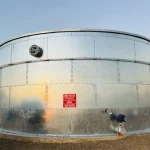
GRP panel water tanks provide a modular approach to storing water in commercial and industrial environments. Instead of being manufactured as one complete vessel, these tanks are assembled from individual panels. This sectional design allows the tank dimensions to suit different storage capacities and available spaces.
GRP stands for Glass Reinforced Plastic. The material combines a polymer resin with glass fibre reinforcement. GRP does not rust like steel, making it useful for many water storage environments. However, tank performance depends on more than the panel material.
Panel connections, seals, supports, fittings, foundations, installation, and maintenance all form part of the complete system. This guide explains how GRP panel water tanks work, where they are used, and what should be considered when selecting one.
What are GRP Panel Water Tanks?
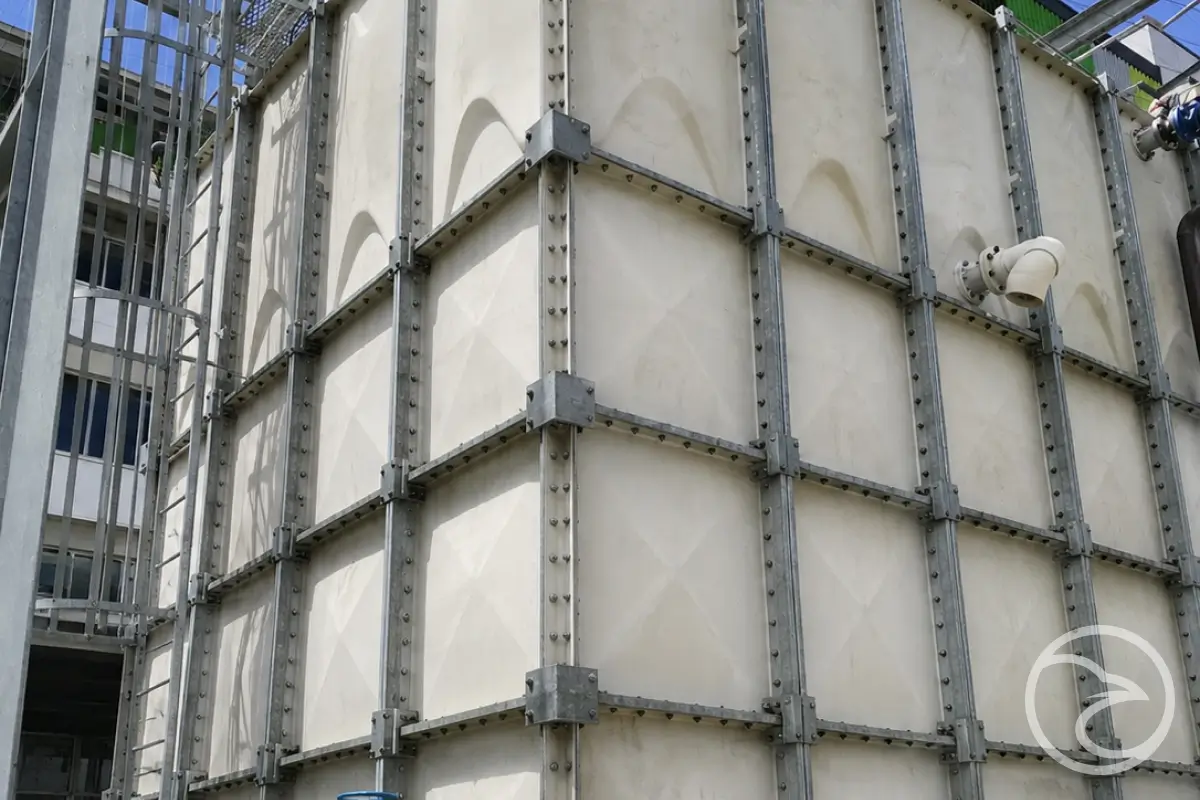
A GRP panel water tank is a sectional storage tank assembled from prefabricated Glass Reinforced Plastic panels. The panels form the walls, base, and other parts of the tank, depending on its design. They are connected on site to create the required storage configuration.
This modular approach distinguishes GRP panel tanks from many one-piece storage tanks. Individual sections can be combined to achieve different lengths, widths, and heights. GRP water tanks are used for various commercial, industrial, and building water storage applications.
Their exact design depends on factors such as capacity, stored water, site conditions, and installation requirements.
The complete system can include:
- GRP panels
- Panel connections
- Sealing components
- Internal or external supports
- Base components
- Roof panels
- Access openings
- Inlets and outlets
- Overflows and drains
- Other tank fittings
The panels are therefore only one part of the finished water storage system.
What Does GRP Mean?
GRP means Glass Reinforced Plastic. It is a composite material made by combining glass fibre reinforcement with a polymer resin system. The glass fibres provide reinforcement, while the resin forms the surrounding matrix.
The resulting material has properties different from either component on its own. GRP is used across many industries for products exposed to moisture and demanding operating environments. For water tanks, it allows strong modular panels to be produced without using steel as the primary panel material.
However, not every GRP product has identical properties. Resin systems, reinforcement, manufacturing processes, and product specifications can vary.
This means the term “GRP” alone does not establish suitability for every storage application.
GRP vs FRP: is there a Difference?
GRP and FRP are closely related terms. FRP stands for Fibre Reinforced Plastic or Fibre Reinforced Polymer. It is a broader description for composite materials reinforced with fibres.
GRP specifically identifies glass as the reinforcing fibre. Because glass fibre is widely used in these products, the terms GRP and FRP can sometimes appear in similar tank descriptions.
For example, FRP panel tanks may refer to systems that are also described as glass-fibre-reinforced tanks. When evaluating a tank, the actual product specification matters more than terminology alone.
The panel construction, resin system, reinforcement, fittings, and intended application should all be considered.
How are GRP Panel Tanks Constructed?
GRP panel tanks use multiple components to create a complete storage system. Their sectional construction allows individual pieces to be transported to site and assembled into the required configuration.
Modular GRP Panels
Prefabricated panels form the main tank surfaces. The number and arrangement of panels determine the final tank dimensions.
This modular format allows tanks to be configured for different sites without manufacturing the complete tank as one large vessel. Panel shape and dimensions vary between tank systems.
The selected system should therefore be designed as a complete assembly. For modular water storage requirements, explore our GRP panel tanks for commercial and industrial applications.
Panel Connections
Individual panels must be securely connected. These connections help the tank maintain its intended shape under water pressure.
Sealing materials are also used around panel joints to maintain containment. Connections and seals are important maintenance areas throughout the tank’s service life.
Internal Supports and Bracing
Larger sectional tanks may require internal or external structural support. These components help manage loads created by the stored water.
The support arrangement depends on the tank design. Supports should be considered during inspection because deterioration can affect the complete system.
Tank Base
The base transfers tank loads to the supporting foundation or structure. It must provide suitable support for the complete tank.
Foundation conditions are therefore an important consideration before installation. An unsuitable base can contribute to movement, uneven loading, and other problems.
Roof Panels
Many GRP water storage tanks include a roof or cover system. The roof helps protect the stored water and provides separation from the surrounding environment.
Access openings may also be incorporated for inspection and maintenance.
Inlets, Outlets and Other Fittings
Water tanks require connections for normal operation.
These can include:
- Inlets
- Outlets
- Overflows
- Drains
- Access openings
- Level-related fittings
- Other system connections
The location and specification of these fittings depend on the tank application.
What are GRP Sectional Panel Tanks?
A GRP sectional panel tank is another name for a modular GRP tank assembled from individual sections. The term “sectional” describes the way the tank is constructed. Rather than transporting a complete large tank to site, individual panels can be moved separately and assembled in position.
This approach can be useful where access is limited. For example, getting a large one-piece tank into a building may be difficult. Individual panels can provide greater flexibility during transportation and assembly.
GRP sectional panel tanks can also be configured around different capacity and space requirements. The modular format allows dimensions to be adjusted within the limits of the selected tank system.
This makes sectional construction particularly relevant for commercial buildings, industrial facilities, and other sites with defined storage requirements.
Key Features of GRP Panel Water Tanks
GRP tanks have several characteristics that distinguish them from other storage systems. These features should be considered together rather than as isolated advantages.
Modular Construction
Modularity is one of the defining features of GRP panel tanks. Tank dimensions can be created by combining multiple sections.
This provides flexibility when storage capacity and available footprint must be balanced.
Resistance to Rust
GRP itself does not rust in the same way as steel. This can be useful in environments where the tank panels are regularly exposed to water or moisture. However, a GRP tank can still contain metallic components.
Supports, fasteners, fittings, and other parts may have their own corrosion considerations. The complete tank should therefore still be inspected.
Flexible Tank Configuration
Sectional construction allows different tank configurations to be created. The tank can be planned around required capacity, site dimensions, access, and other constraints.
The exact options depend on the selected system.
Relatively Lightweight Panels
Individual GRP components can be lighter than comparable large metal sections. This can simplify some transport and handling requirements.
The complete filled tank is still extremely heavy because of the stored water. Foundation and structural support requirements therefore remain important.
Controlled Internal Water Storage
The assembled tank provides a defined containment system for stored water. The suitability of internal water-contact materials depends on the intended application.
Potable water, process water, and other applications can have different requirements.
Sectional Components
The modular design means individual components can sometimes be repaired or replaced. Whether this is practical depends on the component, tank design, damage, and overall condition.
A condition assessment should determine the appropriate response.
GRP Panel Tanks vs Steel Water Tanks
GRP and steel tanks can both provide substantial water storage. However, their materials and maintenance considerations differ.
| Feature | GRP Panel Tank | Steel Tank |
|---|---|---|
| Main panel material | Glass reinforced plastic | Steel |
| Construction | Commonly modular panels | Varies by tank system |
| Rust | GRP panels do not rust like steel | Corrosion requires consideration |
| Panel weight | Relatively lightweight | Generally heavier |
| Configuration | Modular dimensions | Depends on system |
| Internal components | Supports, seals and fittings may require inspection | Coatings, liners and connections may require inspection |
| Maintenance focus | Panels, seals, supports, fittings and joints | Corrosion, coatings, panels, connections and liners |
Neither material removes the need for inspection and maintenance. The appropriate tank depends on the application, site, stored water, required capacity, and long-term operating conditions.
Where are GRP Water Tanks Commonly Used?
GRP water tanks can support a wide range of storage applications. Their modular construction is particularly useful where substantial water capacity is required.
Commercial Water Storage
Commercial buildings can require stored water for several purposes. GRP panel tanks can provide modular storage where available space and capacity requirements need to be balanced.
The system can be configured according to the building and water application.
Industrial Water Storage
Industrial water panel tanks can support manufacturing, processing, utilities, and other site operations. The water may be used for different purposes depending on the facility.
Water quality, temperature, capacity, and operating conditions should be considered during tank selection.
Potable Water Storage
Some GRP tanks are designed for potable water storage. However, GRP as a material category does not automatically make a tank suitable for drinking water.
The complete water-contact system must be suitable for the intended application. Relevant materials, seals, fittings, and other components should be considered.
Process Water
Industrial processes can require dedicated water storage. The required tank specification depends on water chemistry, temperature, operating conditions, and the process itself.
These factors can affect material and component selection.
Fire Water Storage
GRP panel tanks can also be used in suitable fire water storage systems. These applications require consideration of the complete fire protection system and applicable requirements.
Tank capacity, connections, access, and maintenance requirements can all be important.
Building Water Systems
Sectional tanks are useful in buildings where a large one-piece tank would be difficult to transport into position. Panels can be moved separately and assembled at the intended location.
This can make modular tanks practical for plant rooms and other constrained areas.
Can GRP Tanks Store Potable Water?
GRP tanks can be designed for potable water applications. However, the words “GRP water tank” alone do not confirm drinking water suitability. Water-contact materials should be appropriate for potable use.
This includes more than the main panels. Seals, fittings, coatings, and other components can also contact the stored water. The tank should therefore be evaluated as a complete system.
The intended use should be established before the tank specification is selected. A GRP tank intended for process water may have different requirements from one storing drinking water.
Can GRP Tanks be Used for Chemical Storage?
Some GRP systems can be designed for chemical storage. However, chemical compatibility depends heavily on the specific materials used. The term GRP does not describe one universal chemical-resistant material.
Different resin systems can respond differently to chemical exposure.
Important factors can include:
- Chemical type
- Concentration
- Temperature
- Storage duration
- Resin system
- Panel construction
- Sealing materials
- Fittings
- Other internal components
A chemical storage GRP tank should therefore be specified for the particular chemical environment. A tank suitable for water should not automatically be assumed suitable for industrial chemicals.
GRP Tank Sizes and Configurations
One advantage of sectional tanks is the ability to create different storage configurations. Required capacity is achieved by selecting an appropriate arrangement of panels within the tank system.
Length, width, and height can all influence total capacity. However, capacity is not the only consideration.
The configuration should also account for:
- Available footprint
- Building dimensions
- Installation access
- Foundation capacity
- Inspection access
- Maintenance space
- Pipework
- Tank height restrictions
- Operational requirements
A tall tank with a smaller footprint may create different structural requirements from a lower, wider tank. The final configuration should therefore consider both storage needs and site conditions.
Indoor vs Outdoor GRP Panel Tanks
GRP sectional tanks can be installed in different environments. Indoor and outdoor locations create different design and maintenance considerations.
Indoor GRP Tanks
Indoor installations can benefit from the ability to transport panels individually. This can be particularly useful where access doors or building layouts prevent entry of a complete tank.
However, enough space should remain around the assembled tank for inspection and maintenance. Pipework, drainage, ventilation, and surrounding equipment also require consideration.
Outdoor GRP Tanks
Outdoor tanks experience direct environmental exposure. Sunlight, temperature changes, wind, rainfall, and surrounding site conditions can affect the system.
The selected tank should suit its intended environment. Foundations, access, external components, and maintenance requirements should also be planned before installation.
What Site Conditions Matter for a GRP Panel Tank?
A suitable tank can still experience problems when installed in unsuitable site conditions. Site planning is therefore an important part of the overall system.
Foundation and Support
A filled water tank places substantial loads on its foundation. The supporting structure must suit the tank and expected water load.
Movement or uneven support can affect panels, connections, and seals.
Available Space
The site must accommodate the complete tank dimensions. Additional clearance may also be needed for assembly, inspection, and maintenance.
Installation Access
Panels and other components need to reach the installation area. Restricted buildings, plant rooms, roofs, and enclosed sites can create access challenges.
Sectional construction can help, but access still requires planning.
Maintenance Access
The tank should remain accessible after installation.Panels, fittings, roof components, and other areas may require future inspection. Installing equipment too close to the tank can make maintenance difficult.
Pipework and Connections
The positions of inlets, outlets, overflows, and drains should suit the wider water system. Pipework should also be considered during tank layout planning.
Surrounding Environment
Outdoor exposure, nearby equipment, chemicals, heat, moisture, and other site conditions can influence material selection. The tank should be specified for its actual operating environment.
How are GRP Panel Tanks Installed?
Installation requirements vary between tank systems. However, a typical process involves several broad stages.
1. Site Preparation
The installation area is prepared and checked against the tank requirements. Access, dimensions, and surrounding conditions should be considered.
2. Foundation Preparation
The supporting foundation or structure is prepared for the tank. It must suit the tank configuration and expected loads.
3. Panel Assembly
Individual GRP panels are positioned and connected. Assembly continues according to the specified tank configuration.
4. Structural Components
Required bracing, supports, or other structural components are installed as part of the tank system.
5. Roof Assembly
Where the system includes roof panels, these are assembled with the required access components.
6. Fittings and Connections
Inlets, outlets, drains, overflows, and other fittings are incorporated into the tank.
7. Sealing
Panel joints and relevant connections use the specified sealing system. These areas are important for maintaining water containment.
8. Inspection and Testing
The assembled tank should be checked according to the requirements of the system before normal service begins. Installation should follow the applicable design and manufacturer requirements for the selected tank.
What Maintenance do GRP Water Tanks Require?
GRP does not rust like steel, but that does not make a GRP tank maintenance-free. A complete tank includes many components that can change over time.
Panel Condition
Panels should be checked for visible damage, cracking, deformation, or other unusual changes. The significance of any damage depends on its extent and location.
Seals and Joints
Panel joints are important containment areas. Ageing seals, movement, or damage can contribute to leakage.
Visible water around a joint should be investigated.
Internal Supports
Where internal supports are present, their condition should form part of tank inspection. Water chemistry and long-term exposure can affect some support materials.
External Supports
External structural components can also experience environmental exposure. Their condition should be considered during maintenance.
Fittings
Inlets, outlets, overflows, drains, and other connections should be inspected for leakage or damage. Interfaces between fittings and panels require particular attention.
Roof and Access Components
Roof panels, access openings, and associated components should remain in suitable condition. Damage can increase the risk of contamination or create maintenance problems.
Signs of Leakage
Water around the tank should not automatically be assumed to come from a panel failure. Leaks can originate from joints, fittings, pipework, or other connections.
The actual source should be identified before repair begins.
For ongoing tank care, follow our GRP water tank maintenance checklist to review panels, joints, fittings, supports, and other key components.
Common GRP Panel Tank Problems
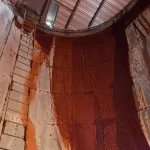
Several problems can develop as GRP tanks age or operate under demanding conditions. Joint leakage is one example. Seals can deteriorate or movement can affect connections between panels.
Fittings can also develop leaks or mechanical damage. Panels themselves may experience localised damage. Supports and other non-GRP components can have separate deterioration mechanisms.
Foundation movement can also affect the tank system.
Common issues can therefore include:
- Joint leakage
- Seal deterioration
- Damaged fittings
- Panel damage
- Support deterioration
- Movement or deformation
- Foundation-related problems
- Ageing components
One defect does not necessarily mean the complete tank needs replacement. The appropriate response depends on the source and extent of the problem.
Can GRP Panel Tanks be Repaired?
Some GRP tank problems can be repaired. The available repair method depends on the damaged component and the tank condition. A localised fitting problem presents a different situation from extensive panel damage.
Likewise, deteriorated seals may require a different response from structural movement. The surrounding components should also be inspected. Repairing the visible symptom without identifying its cause can allow the same problem to return.
Where several components have deteriorated, broader refurbishment may require consideration.
GRP Tank Repair vs Refurbishment vs Replacement
The condition of the tank helps determine which type of response requires consideration.
| Tank condition | Possible response |
|---|---|
| Localised component problem | Repair assessment |
| Joint or seal deterioration | Repair or component replacement assessment |
| Isolated fitting problem | Fitting repair or replacement |
| Several ageing components | Refurbishment assessment |
| Multiple areas of deterioration | Broader condition assessment |
| Extensive tank damage | Repairability and replacement assessment |
| Tank unsuitable for future use | Alternative tank system assessment |
These are general distinctions rather than repair specifications. The complete tank should be assessed before deciding on the required work.
What Affects the Service Life of a GRP Water Tank?
There is no single service life that applies to every GRP water tank. Several factors influence how a tank performs over time.
Material Specification
Different GRP panel systems use different resin formulations, reinforcement, and manufacturing methods. These characteristics influence material performance.
Stored Liquid
Water chemistry and other stored liquids can affect tank components differently. Chemical storage requires particular compatibility consideration.
Installation
Correct assembly and suitable support are important for long-term tank performance. Installation problems can place unnecessary stress on panels, joints, or other components.
Structural Loading
The tank system must suit the loads created by the stored liquid and its operating environment.
Environmental Exposure
Outdoor tanks can experience sunlight, heat, weather, and other environmental conditions. These exposures should be considered when selecting the system.
Maintenance
Routine inspection can identify deterioration before it develops into a larger problem. Leaks, damaged fittings, and unusual movement should be investigated when identified.
Repairs
Previous repairs can affect future maintenance planning. Repeated problems in one area may indicate an underlying cause requiring broader investigation.
What Should be Considered when Selecting a GRP Panel Tank?
Selecting a GRP tank requires more than determining the required water volume. The tank needs to suit the application and site.
Required Capacity
Start with the required storage volume. Capacity influences tank dimensions and panel configuration.
Stored Liquid
Identify exactly what the tank will contain. Potable water, process water, fire water, and chemicals can have different material requirements.
Potable or Non-Potable Application
Where water is intended for human consumption, water-contact materials require additional consideration. The complete system should suit the intended potable water application.
Indoor or Outdoor Location
Environmental exposure differs significantly between indoor and outdoor sites. The tank specification should reflect its location.
Available Footprint
The available length, width, and height can influence the final tank configuration. Modular construction provides flexibility, but site limitations still matter.
Installation Access
Consider how panels, supports, tools, and other components will reach the installation location. This is particularly important inside existing buildings.
Foundation
The foundation must support the complete filled tank. Its requirements depend on tank dimensions, capacity, and structural design.
Fittings and Pipework
Required connections should be identified during planning. Their position can affect both tank configuration and surrounding pipework.
Inspection and Maintenance Access
Future access should be considered before the tank is installed. Adequate space can make inspections and repairs easier throughout the tank’s service life.
Future Operating Conditions
Changes in use can affect tank suitability. Where future requirements are known, they should be considered during the initial specification.
Understanding GRP Panel Water Tanks
GRP panel water tanks provide a modular approach to commercial and industrial water storage. Their Glass Reinforced Plastic panels can be assembled into different configurations to suit capacity and available space.
Sectional construction also makes it possible to transport individual components into locations where a complete large tank would be difficult to position. However, GRP panels are only one part of the storage system.
Seals, connections, supports, fittings, foundations, and installation all influence tank performance. The intended liquid also matters. A tank for potable water can have different material requirements from a process water or chemical storage tank.
Maintenance remains important as the tank ages. GRP panels do not rust like steel, but joints, fittings, supports, and other components still require inspection.
When problems develop, the tank condition should determine whether localised repair, broader refurbishment, or replacement requires consideration.
Understanding the complete system helps ensure a GRP sectional panel tank is selected, operated, and maintained according to its intended storage application.