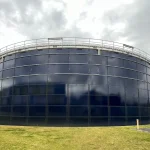
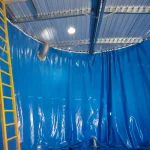
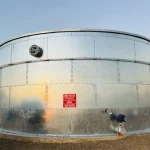
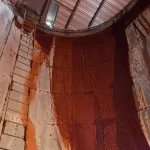
Tank liners provide a protective barrier between stored liquids and tank structures. Their performance depends on material quality, installation practices, and reliable connections between liner sections.
Seams are particularly important because they join separate membrane panels into a continuous containment system. When these connections weaken, tanks may develop leaks, lose containment integrity, or require unexpected maintenance.
Tank liner seam failure can occur due to installation defects, mechanical stress, material ageing, or unsuitable operating conditions. Understanding these risks helps facility managers identify early warning signs and prevent costly repairs.
This guide explores common causes of seam failure, inspection methods, repair options, and preventive maintenance practices.
What is Tank Liner Seam Failure?
Tank liner seam failure occurs when a connection between liner sections loses its intended strength or sealing performance. Depending on the liner material, seams may be created using thermal welding, adhesive bonding, or other manufacturer-approved joining methods.
Thermoplastic membranes, including certain PVC and polyethylene liners, commonly use heat-based welding techniques. Other liner systems may require different connection methods.
A properly constructed seam should maintain containment integrity under the tank’s expected operating conditions.
Seam failure may involve:
-
Partial separation between adjoining liner panels.
-
Small openings along a welded connection.
-
Loss of adhesion in bonded seams.
-
Tears developing near seam edges.
-
Localised leakage through defective joints.
-
Progressive damage caused by repeated movement.
A visible defect does not always indicate complete seam failure. However, any suspected loss of containment should be investigated.
Common Causes of Tank Liner Seam Failure
Several factors can affect the durability of liner seams. Some problems originate during installation, while others develop after years of operation.
1. Incorrect Welding Temperature or Technique
Heat welding requires suitable equipment settings and controlled installation conditions. Insufficient heat may prevent adequate bonding between thermoplastic membrane surfaces.
Excessive heat can damage the material or reduce its strength near the welded area. Other potential installation problems include inconsistent welding speed, inadequate pressure, and unsuitable overlap dimensions.
The appropriate welding parameters depend on the liner material, thickness, equipment, and manufacturer specifications.
2. Contamination During Seam Installation
Clean joining surfaces are essential for reliable seam formation. Dust, moisture, oils, and other contaminants can interfere with bonding or welding.
If contamination becomes trapped between membrane layers, the connection may contain weak points. Proper surface preparation helps reduce this risk.
3. Excessive Mechanical Stress
Tank liners experience different stresses during filling, emptying, and routine operation. Changes in water levels can affect membrane positioning and tension.
If a liner is installed with insufficient allowance for movement, excessive stress may develop around seams.
Potential contributing factors include:
-
Incorrect liner dimensions.
-
Poorly positioned anchor points.
-
Unsupported membrane sections.
-
Sharp transitions between tank surfaces.
-
Uneven settlement or structural movement.
-
Repeated loading near vulnerable connections.
Over time, concentrated stress can contribute to seam separation or adjacent material damage.
4. Poor Seam Positioning
Seam location can influence long-term liner performance. Connections placed near sharp corners, penetrations, or high-stress areas may experience additional mechanical loading.
Poorly planned seam layouts can also complicate inspection and repair. Where possible, seam positioning should follow the liner manufacturer’s installation requirements and project-specific design.
5. Material Ageing and Deterioration
Liner materials can change over time due to environmental exposure and operating conditions. Temperature fluctuations, chemical exposure, and ultraviolet radiation may affect certain membrane systems.
Ageing can reduce flexibility or contribute to material deterioration, depending on the product. Seams may become vulnerable when surrounding materials lose their original mechanical properties.
However, ageing alone does not confirm that a seam has failed.
6. Chemical Incompatibility
Industrial tanks may contain liquids with chemical properties that differ significantly from ordinary water. Some substances can affect liner materials, adhesives, or welded connections.
The extent of deterioration depends on chemical concentration, exposure duration, temperature, and material compatibility. Liner selection should therefore consider the intended stored liquid and operating environment.
7. Damage During Cleaning and Maintenance
Cleaning equipment, sharp tools, and uncontrolled movement inside tanks can damage liner surfaces. Seam edges may be particularly vulnerable to accidental pulling, abrasion, or cutting.
Improper maintenance practices can also disturb previously repaired areas. Cleaning and inspection procedures should be compatible with the installed membrane system.
Warning Signs of Damaged Tank Liner Seams
Seam defects are not always immediately visible. Some develop gradually and become apparent only when leakage or other performance problems occur.
Unexpected Water Loss
Unexplained reductions in stored water levels may indicate a containment problem. However, water loss can also result from evaporation, plumbing defects, or operational discharge.
A proper investigation should identify the source before attributing leakage to liner seams.
Visible Seam Separation
Openings between adjoining liner panels are an important warning sign. Even small areas of separation may require professional assessment, particularly when they occur below the normal water level.
Wrinkles or Unusual Membrane Movement
Wrinkles do not automatically indicate seam failure. However, excessive tension, unusual movement, or distortion around seams may suggest installation or support problems.
These conditions should be assessed alongside other evidence.
Tears Near Welded Connections
Damage may develop immediately beside a seam rather than through the connection itself. This can occur when stresses become concentrated near the edge of a welded or bonded area.
Repeated Leakage After Repairs
Recurring leaks near previously repaired seams may indicate an unresolved underlying problem. Possible causes include ongoing movement, incompatible repair materials, or inadequate surface preparation.
Repeated patching without investigating the cause may provide only temporary results.
How Tank Liner Seam Failure Affects Tank Performance
A damaged seam can affect the overall reliability of a lined tank. The consequences depend on the stored liquid, location of the defect, and severity of the failure.
Loss of Containment Integrity
Seams help create a continuous barrier between the stored liquid and the tank structure. When a seam opens, liquid may pass through the liner.
This can undermine the containment function and create additional maintenance requirements.
Increased Risk of Tank Structure Deterioration
Leakage behind a liner can expose underlying tank components to moisture or stored liquids. Depending on the tank material, prolonged exposure may contribute to corrosion or other deterioration.
Operational Disruption
Significant liner defects may require a tank to be isolated, drained, or taken out of service. For fire water storage tanks, any interruption must be managed with appropriate fire protection arrangements.
Higher Repair Costs
Minor seam defects may be easier to address before they spread. If damage extends into surrounding membrane sections, repairs can become more complicated.
Early identification can reduce the likelihood of extensive rehabilitation.
How Are Tank Liner Seams Inspected?
A thorough inspection should consider seam condition, liner material, installation details, and operating history. Different membrane systems require different assessment techniques.
Visual Inspection
Visual inspections may identify:
-
Open or separated seams.
-
Tears along seam edges.
-
Discolouration or material deterioration.
-
Wrinkles and excessive tension.
-
Previous repairs or patches.
-
Abrasion near welded connections.
Inspection findings should be documented with photographs and location records.
Seam Integrity Testing
Certain thermoplastic liner systems can be assessed using specialised seam testing methods. Depending on the seam design, these may include air-channel pressure testing, vacuum-box testing, or other approved techniques.
Not every testing method is suitable for every membrane. Testing should follow the relevant material specifications and installation requirements.
Non-Destructive Testing
Suitable non-destructive methods may help identify defects without removing significant sections of the liner. The appropriate method depends on the membrane, seam construction, accessibility, and testing objective.
Destructive Seam Testing
During installation quality assurance, representative seam samples may undergo peel or shear testing. These tests can provide information about seam strength and failure characteristics.
Because sampling damages the tested section, it requires appropriate repair and verification.
Professional Tank Inspection
Some liner defects are difficult to assess while a tank remains full. Inspection planning should consider access, water levels, safety requirements, and the selected testing method.
Tank entry must be managed under applicable confined-space safety procedures.
Can Failed Tank Liner Seams be Repaired?
Many seam defects can be repaired, provided the surrounding liner remains suitable for rehabilitation. The repair method depends on the membrane material, defect location, and underlying cause.
Localised Seam Re-Welding
Some thermoplastic liner seams can be repaired using compatible heat-welding techniques. The affected area must be properly prepared before repair.
Re-welding may not be appropriate when the membrane has deteriorated or become incompatible with the intended process.
Membrane Patching
A compatible patch may be installed over certain localised defects. Patch dimensions, surface preparation, and joining methods should follow manufacturer-approved procedures.
Replacement of Damaged Sections
Where defects extend beyond a small seam area, replacing a section of membrane may provide a more reliable solution. The replacement material must be compatible with the existing liner system.
Repair Verification
Completed repairs should be inspected and tested using methods appropriate to the membrane and seam construction. Repair verification helps confirm that the intended sealing performance has been restored.
Addressing Underlying Stress
Repairing an open seam may not resolve problems caused by poor liner positioning or continuing structural movement. These issues should be assessed before completing permanent repairs.
Professional tank repair services can help address damaged liner seams, restore containment integrity, and prevent further deterioration of water storage systems.
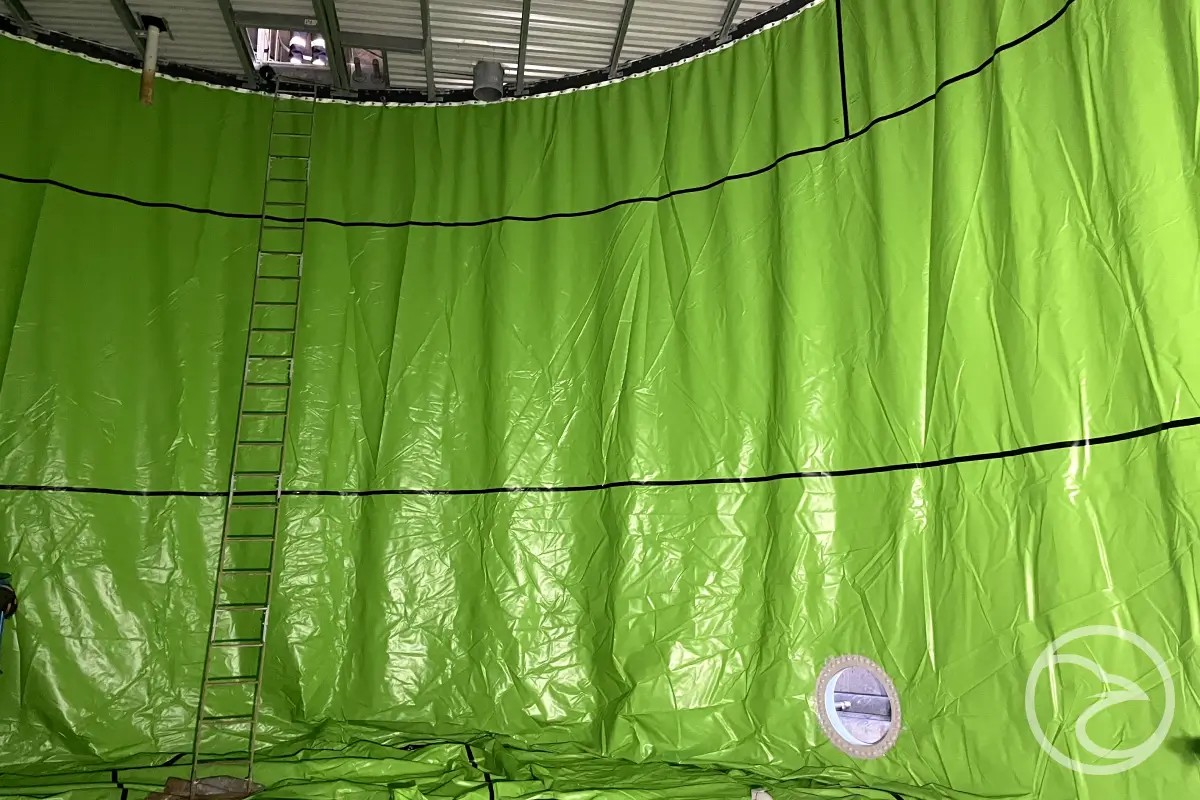
How to Prevent Tank Liner Seam Failure
Preventive measures should begin during liner design and installation. They should continue throughout the tank’s operational life.
Choose Suitable Liner Materials
Different liner materials offer different mechanical, chemical, and environmental properties. Material selection should reflect the stored liquid, operating temperature, tank geometry, and expected service conditions.
Use Qualified Installation Personnel
Seam construction requires appropriate training, equipment, and quality control. Experienced installers can help maintain consistent joining procedures and identify installation problems early.
Follow Manufacturer Welding Specifications
Welding parameters should be established for the specific membrane and site conditions. Trial welds and appropriate quality assurance testing can help verify suitable equipment settings.
Plan Seam Locations Carefully
Seam layout should account for tank geometry, penetrations, corners, and expected movement. Reducing unnecessary stress concentrations can support long-term seam performance.
Protect Liners During Maintenance
Cleaning equipment and maintenance procedures should not damage membrane surfaces or connections. Personnel should avoid dragging sharp tools across liner seams.
Schedule Regular Inspections
Periodic inspections can identify early signs of separation, abrasion, or material deterioration. Inspection intervals should reflect the tank application, operating conditions, and maintenance requirements.
For broader guidance, see the site’s resources on tank liner maintenance and water tank inspections. Choosing suitable tank liners is essential for maintaining reliable seam performance and preventing long-term containment problems.
When is Tank Liner Replacement Necessary?
Not every seam defect requires complete liner replacement. Localised damage may be repairable when the surrounding material remains in suitable condition.
However, replacement may become necessary when:
-
Multiple seams show widespread deterioration.
-
The membrane has lost significant flexibility or strength.
-
Repairs repeatedly fail.
-
The liner is incompatible with current operating conditions.
-
Damage extends across large membrane areas.
-
Reliable containment cannot be restored through practical repairs.
A professional assessment should consider the condition of the complete liner system. The decision should also account for the tank’s operational requirements and expected remaining service life.
Before replacing an entire liner system, facility managers should consider whether fire tank relining is more cost-effective than replacement to evaluate potential maintenance costs and long-term benefits.
Conclusion
Tank liner seam failure can compromise the containment performance of commercial and industrial water storage tanks. Installation defects, mechanical stress, material deterioration, and unsuitable operating conditions are among the common contributing factors.
Early identification allows facility managers to investigate defects before they develop into more extensive problems. Appropriate material selection, professional installation, seam testing, and regular maintenance can support long-term liner reliability.
When seam damage is suspected, a qualified specialist should assess the liner and recommend suitable repair or replacement options.