Storage tanks are designed for long-term use, but their condition changes over time. Corrosion can develop. Liners and coatings can deteriorate. Fittings may require replacement, and structural components can become damaged.
These problems do not always mean the entire tank needs replacement. In many cases, tank refurbishment can restore suitable existing components while addressing areas that have deteriorated.
A refurbishment project can include inspection, structural repairs, corrosion treatment, component replacement, surface preparation, and relining. The exact scope depends on the tank and its condition.
This guide explains what tank refurbishment involves, when it may be considered, and how the process differs from repair or replacement.
What is Tank Refurbishment?
Tank refurbishment is the process of restoring an existing storage tank through a planned combination of repairs and improvements. It is usually broader than fixing one isolated defect.
A refurbishment project may address the tank structure, internal containment system, fittings, connections, and other ageing components.
Typical work can include:
- Tank inspection and condition assessment
- Structural repairs
- Corrosion treatment
- Replacement of damaged components
- Cleaning and surface preparation
- Liner replacement
- Internal coating work
- Repairs around fittings and penetrations
- Final inspection
Not every refurbishment project includes all these activities. A tank with a deteriorated liner may require a very different scope from a tank with structural corrosion.
The work should therefore be based on the actual tank condition.
Why are Existing Tanks Refurbished?
Storage tanks can remain in service for many years. During that period, the structure and internal containment system experience different operating and environmental conditions.
Tank refurbishment may be considered when deterioration affects several areas but the existing tank can still be restored.
Ageing
Age alone does not determine whether a tank requires refurbishment. However, older tanks have experienced longer periods of exposure, loading, maintenance, and operation.
Several components may begin to require attention around the same period. A broader refurbishment can sometimes address these issues together.
Corrosion
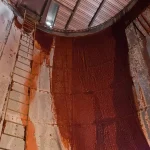
Steel components can corrode when exposed to moisture and other environmental conditions. Corrosion can be localised or widespread.
Its significance depends on its location, extent, and effect on the component. A refurbishment project can include appropriate treatment and repair after the condition has been assessed.
Liner or Coating Deterioration
Internal liners and coatings can deteriorate over time. Damage may include tears, cracking, loss of flexibility, seam problems, or coating breakdown.
A refurbishment may include repair or complete replacement of the internal containment system.
Leaks
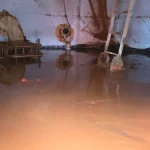
Leaks can develop around liners, fittings, joints, penetrations, or structural components. The visible location of escaping water may not always identify the original source.
Leak investigation can therefore form an important part of refurbishment planning.
Damaged Components
Panels, fasteners, fittings, supports, and other components can become damaged or deteriorated. Refurbishment allows individual components to be assessed as part of the complete tank system.
Changing Operational Requirements
A tank may sometimes need to support different operating conditions from those originally intended. Changes in stored liquids, capacity requirements, or site operations may affect the existing containment system.
Any proposed changes should be assessed against the tank’s design and material suitability.
Tank Refurbishment vs Tank Repair
Tank repair and tank refurbishment are related, but they are not exactly the same. A repair generally focuses on a particular defect. For example, a project might repair a damaged fitting, localised corrosion, or a small liner defect.
Refurbishment usually has a broader scope. It may combine several repairs with other restoration activities. For example, an ageing tank could require structural repairs, corrosion treatment, new fittings, and liner replacement.
Those activities together would form a wider refurbishment project. The distinction depends on the scope rather than simply the size of the tank.
Tank Refurbishment vs Tank Relining
Tank relining focuses on the internal containment system. It may involve removing an existing liner and installing a new one. Other systems can involve renewing an internal coating.
Relining can form part of a tank refurbishment, but the terms are not interchangeable.
A refurbishment may include work on:
- Structural components
- Tank panels
- Supports
- Fittings
- Fasteners
- Internal surfaces
- Liners or coatings
If only the internal containment barrier requires replacement, the project may primarily be a relining job. If several tank components require restoration, refurbishment is the broader description.
Tank Refurbishment vs Tank Replacement
Refurbishment works with the existing tank. Replacement involves removing, retiring, or otherwise replacing the existing storage system with another tank. The appropriate approach depends on condition and project requirements.
A tank with a serviceable structure but deteriorated internal components may be suitable for refurbishment. A tank with extensive structural deterioration may require a different approach.
Cost is only one consideration. Future service requirements, access, downtime, tank condition, stored liquid, and the extent of repairs can also affect the decision.
What Problems can Lead to Tank Refurbishment?
Refurbishment often becomes relevant when several forms of deterioration appear together. Understanding these problems helps define the required scope.
Corrosion
Corrosion is common in many ageing steel tank systems. It can affect panels, connections, supports, roof components, and other steel surfaces.
Surface corrosion and substantial material loss require different responses. The extent of deterioration should be established before repair work is defined.
Leaks and Water Loss
Unexpected water loss can indicate a problem with the containment system. Possible sources include liners, coatings, fittings, connections, penetrations, and structural defects.
A leak should be investigated rather than simply sealed at the first visible location.
Structural Deterioration
Structural deterioration can affect the tank’s ability to perform its intended function. Signs can include damaged components, significant corrosion, movement, or deformation.
These issues require assessment before internal refurbishment work proceeds.
Damaged Tank Panels
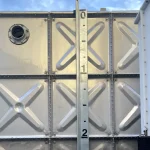
Panel tanks depend on connected sections forming the complete structure. Individual panels may experience corrosion, mechanical damage, or deformation.
Damage around one panel can also affect adjacent connections.
Failed Tank Liners
Flexible liners can develop tears, punctures, seam problems, brittleness, or other deterioration. Localised damage may sometimes be repairable.
Widespread liner deterioration may make complete replacement more appropriate.
Coating Deterioration
Internal coatings can crack, peel, blister, or otherwise deteriorate. The underlying substrate may also require attention.
Applying another coating without suitable preparation can leave existing problems unresolved.
Damaged Fittings and Connections
Tank fittings experience both operational and mechanical stresses. Inlets, outlets, drains, overflows, and other penetrations should be included during assessment.
Their interfaces with liners or coatings also require attention.
Tank Base or Support Problems
The tank base and supporting structure are important parts of the complete system. Corrosion, movement, or deterioration in these areas can affect other tank components.
Base problems should be assessed before they are concealed by new internal materials.
What does the Tank Refurbishment Process Involve?
No single refurbishment process applies to every tank. However, projects commonly follow several broad stages.
1. Initial Tank Inspection
The process usually begins with understanding the existing tank condition. An inspection can identify visible defects and areas requiring further investigation.
The assessment may consider the exterior, interior, fittings, supports, liner, coating, and accessible structural components. Existing maintenance and repair records can also provide useful information.
2. Condition Assessment
Inspection findings help establish the overall condition of the tank. This stage separates localised defects from wider deterioration.
For example, a small visible leak might initially appear to require a simple repair. Further assessment could reveal widespread liner deterioration or corrosion behind the containment system.
Understanding the complete condition helps avoid an incomplete repair scope.
3. Identifying the Cause of Deterioration
Repairing damage without understanding its cause can allow the problem to return. A torn liner may result from a sharp underlying surface.
Repeated leakage around a fitting may indicate movement or an unsuitable interface. Corrosion can also be influenced by environmental and operational conditions.
Where practical, refurbishment planning should consider why deterioration developed.
4. Defining the Refurbishment Scope
Once the condition is understood, the required work can be defined. The scope may include several separate activities.
For example:
- Structural repair
- Panel replacement
- Corrosion treatment
- Fitting replacement
- Surface preparation
- Liner removal
- New liner installation
- Coating restoration
Only necessary work should form part of the project. Refurbishment does not automatically mean replacing every component.
5. Tank Draining and Preparation
Many internal refurbishment activities require the tank to be taken out of service. The stored liquid may need to be removed before internal access is possible.
Preparation requirements depend on the tank contents and planned work. Cleaning may also be necessary before surfaces can be inspected properly.
Tank access must be managed appropriately, particularly where confined-space conditions apply.
6. Cleaning and Surface Preparation
Once the tank is accessible, internal surfaces can be prepared for the required work. Loose material, contamination, corrosion products, or previous coating residues may need attention.
The required preparation method depends on the substrate and selected containment system. Surface preparation is particularly important before new coatings or liners are installed.
7. Structural Repairs
Structural work should generally be addressed before a new internal containment system conceals affected areas. Repairs may involve panels, supports, connections, fasteners, or other components.
The exact method depends on the tank design and condition. Significant structural concerns may require specialist engineering assessment.
8. Corrosion Treatment
Corroded areas can require cleaning, preparation, repair, or component replacement. The required response depends on the severity and location of corrosion.
Simply covering corrosion with a new liner does not restore lost structural material. This is why structural condition and containment condition should be assessed separately.
9. Component Replacement
Refurbishment can provide an opportunity to replace deteriorated tank components. These may include fittings, fasteners, connections, or other accessible items.
Replacement should be based on condition and project requirements rather than age alone.
10. Tank Relining or Coating
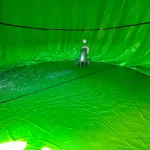
Once required repairs and preparation are complete, the internal containment system can be restored. This may involve installing a flexible tank liner or applying an appropriate coating system.
Material selection should consider the stored liquid, tank configuration, temperature, and expected operating conditions. Potable water, chemicals, and other liquids can require different material specifications.
11. Final Inspection and Return to Service
Completed work should be checked before the tank returns to normal operation. The relevant components, fittings, liner, coating, and repaired areas can be reviewed.
The specific commissioning process depends on the tank and refurbishment scope. Documentation of completed work can also support future inspection and maintenance.
For tanks requiring broader restoration, explore our tank refurbishment services covering repairs, preparation, and relining.
Structural Repairs During Tank Refurbishment
Structural repairs can represent an important part of refurbishment. The affected components vary between tank types.
Tank Panels
Panels should be checked for corrosion, deformation, and other damage. Individual panels may require repair or replacement where appropriate.
Bolts and Connections
Bolted tank systems rely on numerous connections. Deteriorated or damaged fasteners may require attention during refurbishment.
Connections can also provide information about movement or localised deterioration.
Tank Supports
Supports transfer loads from the tank to the underlying structure. Their condition should be considered where corrosion, movement, or damage is visible.
Tank Base
Base conditions can influence both the structure and internal liner. Movement or irregular surfaces can create problems for flexible containment systems.
Roof Components
Where present, tank roofs and associated components can also deteriorate. Their condition may form part of a broader refurbishment assessment.
Fittings and Penetrations
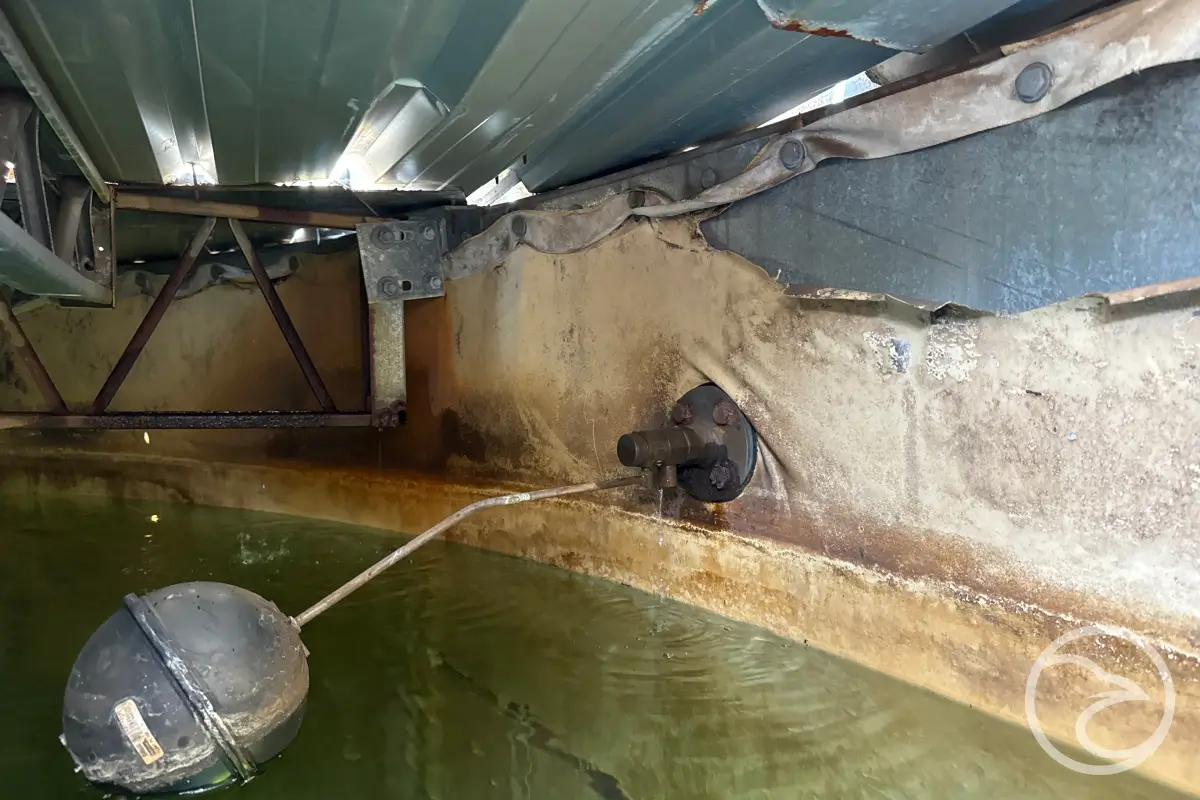
Fittings pass through or connect with the tank structure. Their condition can affect both structural and containment performance.
These interfaces require particular attention when a new liner is installed.
Tank Relining as Part of Refurbishment
Relining is one of the most common activities associated with tank refurbishment. A new liner can restore the internal containment barrier when an existing liner has deteriorated.
However, liner replacement should normally follow assessment and preparation of the underlying tank. Installing a new membrane over unresolved defects can create future problems.
Relining may be considered where the existing liner shows:
- Widespread deterioration
- Multiple tears or punctures
- Loss of flexibility
- Repeated repairs
- Seam problems
- Leakage
- Damage around fittings
- Unsuitability for changed operating conditions
The new liner should be selected for the intended application. Water storage, potable water, fire water, and chemical applications can require different material considerations.
Surface Preparation and Corrosion Treatment
Surface preparation can strongly influence the success of a refurbishment project. The tank surface provides the environment in which the new containment system must operate. Sharp edges can damage flexible liners.
Loose corrosion products can create uneven surfaces. Damaged areas can also remain hidden once the liner is installed. The required preparation depends on the tank material and refurbishment system.
Steel, concrete, and other substrates have different characteristics. The goal is to provide suitable conditions for the repair, coating, or liner system being installed.
Surface preparation should not be confused with structural repair. Removing loose corrosion does not automatically restore material that has already been lost.
Refurbishment for Different Tank Types
The principles of tank refurbishment can apply across many storage systems. However, the actual work varies by construction and application.
Steel Tank Refurbishment
Steel tanks can experience corrosion across internal and external surfaces. Refurbishment may include corrosion treatment, component repair, fitting replacement, and relining.
The extent of material loss should be understood before the tank is covered by a new internal system.
Panel Tank Refurbishment
Panel tanks contain multiple joints, fasteners, and connected sections. These components create additional areas requiring inspection.
Refurbishment can involve panel repairs, connections, internal preparation, and liner replacement.
Water Tank Refurbishment
Water tank refurbishment can address leaks, liner deterioration, corrosion, fittings, and other ageing components. The intended water use influences material selection.
Potable and non-potable water applications can have different liner requirements.
Commercial Tank Refurbishment
Commercial storage tanks may support buildings, facilities, processing operations, or water systems. Their refurbishment requirements depend on construction, use, condition, and operational needs.
Planning may also need to consider how tank downtime affects the facility.
Industrial Tank Refurbishment
Industrial tanks can operate under demanding conditions. Stored liquids, temperature, chemicals, abrasion, and operational cycles can influence deterioration.
Material compatibility becomes especially important when liners or coatings are replaced.
Fire Water Tank Refurbishment
Fire water tanks form part of fire protection systems. Refurbishment can involve structural components, internal liners, fittings, and other tank elements.
Work on these tanks should account for the applicable system requirements and the need to maintain fire protection arrangements.
Refurbishment for Different Stored Liquids
The stored liquid affects both deterioration and material selection.
Potable Water
Materials that contact drinking water require particular consideration. A general water containment material should not automatically be assumed suitable for potable water.
Any new liner or coating should be appropriate for the intended drinking water application.
Fire Water
Fire water tanks can remain full for long periods while being required for emergency use. The containment system should suit the tank configuration and intended fire water application.
Process Water
Process water conditions vary considerably between facilities. Temperature, water chemistry, and operational requirements can influence material selection.
Chemical Storage
Chemical tanks require careful compatibility assessment. The specific chemical, concentration, temperature, and storage conditions can all influence liner or coating selection.
A material suitable for water storage may not suit chemical exposure.
When can a Tank be Refurbished Instead of Replaced?
There is no single condition that determines whether refurbishment is appropriate. The decision should consider the tank as a complete system.
Structural Condition
The existing structure is one of the most important factors. A serviceable structure may support a refurbishment approach.
Significant deterioration can change the available options.
Extent of Corrosion
Localised corrosion and widespread material loss represent very different conditions. Location also matters.
Corrosion around structural connections or supports can require different attention from superficial deterioration.
Liner or Coating Condition
A failed internal containment system does not automatically mean the tank structure has failed. Where the structure remains suitable, relining may form part of refurbishment.
Repair History
Repeated repairs can indicate recurring deterioration. Previous work should therefore be considered when assessing the next refurbishment scope.
Tank Age
Age provides useful background but should not determine the decision by itself. Maintenance, environment, construction, stored liquid, and operating conditions can create large differences between tanks of similar age.
Required Future Service
The expected future use of the tank matters. A refurbishment intended to support continued long-term operation may require a different scope from short-term restoration.
Accessibility
Access can influence the practicality and complexity of refurbishment. Internal access, external working space, tank location, and surrounding infrastructure may all affect the project.
When may Tank Refurbishment not be Enough?
Refurbishment is not automatically appropriate for every ageing tank. Some conditions may require broader investigation or consideration of replacement. Extensive structural deterioration is one example.
Significant deformation, widespread material loss, or serious support problems can affect refurbishment feasibility. A tank may also no longer suit its intended application.
Operational requirements can change beyond what the existing structure was designed to accommodate. In other cases, the required refurbishment may become so extensive that alternative approaches need consideration.
The decision should therefore follow condition assessment rather than assuming refurbishment is always preferable.
How Long does Tank Refurbishment Take?
There is no standard refurbishment duration that applies to every tank. Project length depends on the condition and required work.
Important factors include:
- Tank size
- Tank construction
- Accessibility
- Stored contents
- Cleaning requirements
- Extent of corrosion
- Structural repairs
- Number of components requiring replacement
- Surface preparation
- Liner or coating system
- Drying or curing requirements
- Final inspection requirements
A simple refurbishment and a heavily deteriorated industrial tank can require very different project schedules. Condition assessment helps define the work before a realistic programme is developed.
What Affects Tank Refurbishment Cost?
Tank refurbishment cost also varies considerably between projects. Tank size is one factor, but it is far from the only one.
Tank Condition
A tank requiring limited preparation will have a different scope from one with widespread deterioration.
Structural Repairs
Panel replacement, support work, and other structural repairs can increase project complexity.
Corrosion
The extent and location of corrosion affect preparation and repair requirements.
Liner or Coating System
Different containment materials have different specifications and installation requirements. The stored liquid can also influence the selected system.
Access
Restricted or difficult access can affect equipment, labour, and project planning.
Tank Configuration
Corners, internal structures, fittings, and penetrations can increase preparation and installation complexity.
Required Downtime
Operational requirements may affect how the refurbishment project is planned and completed. The cost should therefore be considered against a defined scope rather than a simple price per tank.
Can Tank Refurbishment Extend Tank Service Life?
A suitable refurbishment can address deterioration that would otherwise continue to affect the tank. Structural repairs can restore damaged components where appropriate. Corrosion treatment can address affected areas.
A new liner or coating can restore the internal containment system. However, no refurbishment creates an unlimited service life.
Future performance still depends on factors such as:
- Existing structural condition
- Quality of completed repairs
- Operating environment
- Stored liquid
- Material selection
- Maintenance
- Inspection
- Future mechanical damage
The condition after refurbishment should therefore continue to be monitored.
What Should be Checked After Tank Refurbishment?
Refurbishment should finish with appropriate checks of the completed work. The exact requirements depend on the project.
Structural Repairs
Completed structural work should match the defined repair scope.
Liner or Coating
The internal containment system should be checked for visible installation issues or defects.
Fittings and Connections
Interfaces around inlets, outlets, drains, and other penetrations should be reviewed.
Leakage
Where applicable, the completed containment system should be checked before normal operation resumes.
Documentation
Records can include the condition found, repairs completed, materials installed, and relevant inspection information. This provides useful background for future maintenance.
Future Inspection Requirements
Refurbishment does not remove the need for future inspections. A suitable inspection programme can help track the condition of repaired and replaced components.
How to Plan a Tank Refurbishment Project
Effective refurbishment begins before repair work starts. A structured approach helps connect the identified problems with the required work.
A typical planning process can involve:
- Identify the tank type and stored liquid.
- Review available maintenance and repair history.
- Inspect the tank and accessible components.
- Determine the extent of deterioration.
- Identify structural repair requirements.
- Assess the existing liner or coating.
- Select suitable replacement materials where required.
- Define cleaning and surface preparation requirements.
- Plan tank access and operational downtime.
- Complete repairs, component replacement, and relining.
- Inspect the completed work.
- Record the refurbishment details for future reference.
The exact sequence can vary between projects. The important point is that refurbishment should follow the tank condition rather than a standard list of assumed repairs.
Tank Refurbishment as Part of Long-Term Tank Management
Tank refurbishment is more than repairing a visible leak or installing a new liner. It involves understanding the condition of the complete tank and defining the work required to restore suitable components. The process can begin with inspection and condition assessment.
From there, the project may include structural repairs, corrosion treatment, component replacement, surface preparation, and relining. Some tanks require only limited restoration. Others need a broader refurbishment involving several systems at once.
The key distinction is that the scope should respond to actual deterioration. A new liner should not conceal unresolved structural problems. Likewise, an ageing liner does not automatically mean the entire tank requires replacement.
By assessing the structure and containment system separately, refurbishment decisions can be based on the condition of each. This approach helps determine whether targeted repairs, relining, comprehensive refurbishment, or further replacement assessment is appropriate for an existing storage tank.